




Yo, what's up tech enthusiasts! I'm a supplier of 50 Pin SCSI Cables, and today I wanna talk about whether these cables are affected by electromagnetic interference (EMI). It's a topic that's super important for anyone who's using or thinking about using these cables, so let's dive right in.
What are 50 Pin SCSI Cables?
First off, let's quickly go over what 50 Pin SCSI Cables are. SCSI, which stands for Small Computer System Interface, is a set of standards for physically connecting and transferring data between computers and peripheral devices. The 50 Pin SCSI Cables are used to connect SCSI devices to the host system. They're commonly found in older computer systems, servers, and some industrial applications.
We offer a variety of 50 Pin SCSI Cables, like the SCSI CN 50 Pin Servo Motor Drive Cable, the Micro DB 50 Pin SCSI Cable, and the SCSI HPCN 50 Pin Screw Lock Open Cable. Each of these cables has its own unique features and is designed for specific applications.
Understanding Electromagnetic Interference (EMI)
Before we talk about whether 50 Pin SCSI Cables are affected by EMI, let's understand what EMI is. EMI is the disturbance that affects an electrical circuit due to either electromagnetic induction or electromagnetic radiation emitted from an external source. It can come from a variety of sources, such as power lines, motors, radios, and even other electronic devices.
EMI can cause all sorts of problems in electronic systems. It can lead to data errors, signal degradation, and in some cases, complete system failure. That's why it's crucial to minimize the impact of EMI in any electronic setup.
How EMI Affects 50 Pin SCSI Cables
Now, let's get to the main question: Are 50 Pin SCSI Cables affected by EMI? The short answer is yes, they can be. Since these cables carry electrical signals, they're susceptible to the effects of EMI.
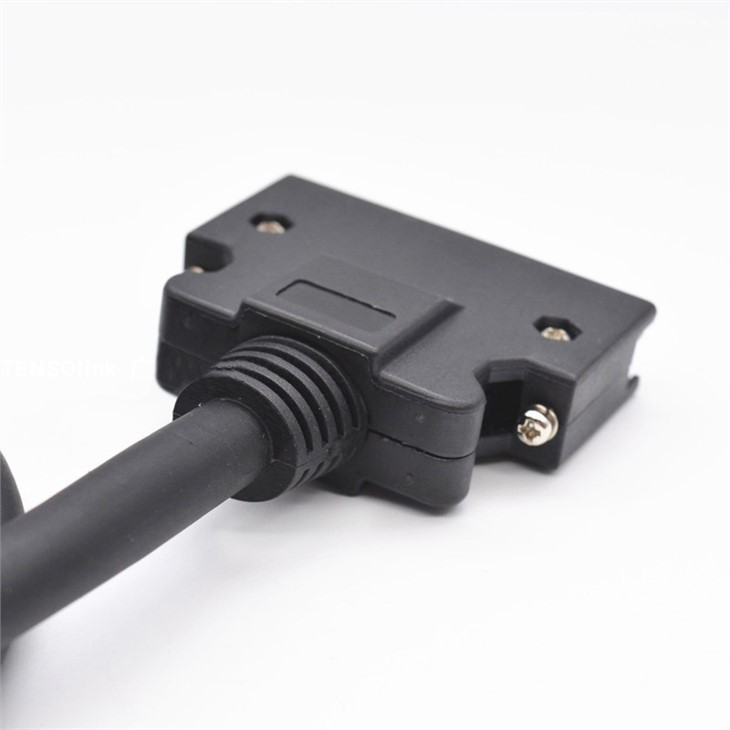

One of the main ways EMI affects 50 Pin SCSI Cables is by inducing unwanted electrical currents in the cable. These unwanted currents can interfere with the normal flow of data signals, leading to errors and data corruption. For example, if you're transferring large amounts of data between a SCSI device and a host system, EMI can cause some of that data to be lost or corrupted during the transfer.
Another way EMI can affect these cables is by causing signal degradation. The electrical signals traveling through the cable can be weakened or distorted by the presence of EMI. This can result in a loss of signal strength and quality, which can make it difficult for the receiving end to accurately interpret the data.
Factors That Influence EMI Susceptibility
The degree to which 50 Pin SCSI Cables are affected by EMI depends on several factors.
- Cable Length: Longer cables are generally more susceptible to EMI than shorter ones. This is because the longer the cable, the more exposed it is to external sources of EMI, and the more opportunity there is for EMI to induce unwanted currents in the cable.
- Shielding: The type and quality of shielding used in the cable play a crucial role in determining its EMI susceptibility. Cables with proper shielding are better able to block out external EMI sources and protect the data signals inside. For example, cables with a braided shield or a foil shield can provide better protection against EMI compared to unshielded cables.
- Surrounding Environment: The environment in which the cable is installed also matters. If the cable is located near high-power electrical equipment or in an area with a lot of electromagnetic activity, it's more likely to be affected by EMI.
How to Minimize EMI in 50 Pin SCSI Cables
So, what can you do to minimize the impact of EMI on 50 Pin SCSI Cables? Here are some tips:
- Use Shielded Cables: As mentioned earlier, using cables with proper shielding is one of the most effective ways to reduce EMI. Make sure to choose cables that are specifically designed to provide good EMI protection.
- Keep Cables Short: Whenever possible, try to use shorter cables. This will reduce the cable's exposure to external EMI sources and minimize the chances of EMI-induced problems.
- Proper Installation: Make sure to install the cables correctly. Avoid running them parallel to power lines or other sources of EMI. Instead, try to keep them at a safe distance from these sources. You can also use cable management techniques, such as bundling and routing the cables properly, to minimize the impact of EMI.
- Grounding: Proper grounding is essential for reducing EMI. Make sure that both ends of the cable are properly grounded to prevent the buildup of static electricity and to provide a path for any unwanted electrical currents to flow safely to the ground.
Conclusion
In conclusion, 50 Pin SCSI Cables can be affected by EMI, but there are ways to minimize its impact. By understanding the factors that influence EMI susceptibility and taking the necessary precautions, you can ensure that your SCSI cables operate reliably and efficiently.
If you're in the market for high-quality 50 Pin SCSI Cables that are designed to minimize the effects of EMI, we've got you covered. Check out our SCSI CN 50 Pin Servo Motor Drive Cable, Micro DB 50 Pin SCSI Cable, and SCSI HPCN 50 Pin Screw Lock Open Cable. If you have any questions or want to discuss your specific requirements, feel free to reach out. We're here to help you find the perfect cable solution for your needs.
References
- "Electromagnetic Compatibility Engineering" by Henry W. Ott
- "Handbook of Electromagnetic Compatibility" by Clayton R. Paul