




In the dynamic landscape of modern data transmission, bulk parallel cables play a pivotal role, serving a wide range of industries from manufacturing to telecommunications. As a leading supplier of bulk parallel cables, I often encounter questions from clients about the standards governing these essential components. In this blog post, I'll delve into the world of bulk parallel cable standards, exploring their significance, types, and the implications for businesses and consumers alike.
The Significance of Standards in Bulk Parallel Cables
Standards are the backbone of any industry, providing a common framework that ensures compatibility, reliability, and safety. In the context of bulk parallel cables, standards define the electrical, mechanical, and functional characteristics of the cables, enabling seamless integration with various devices and systems. Without these standards, the market would be flooded with a plethora of incompatible cables, leading to inefficiencies, increased costs, and potential safety hazards.
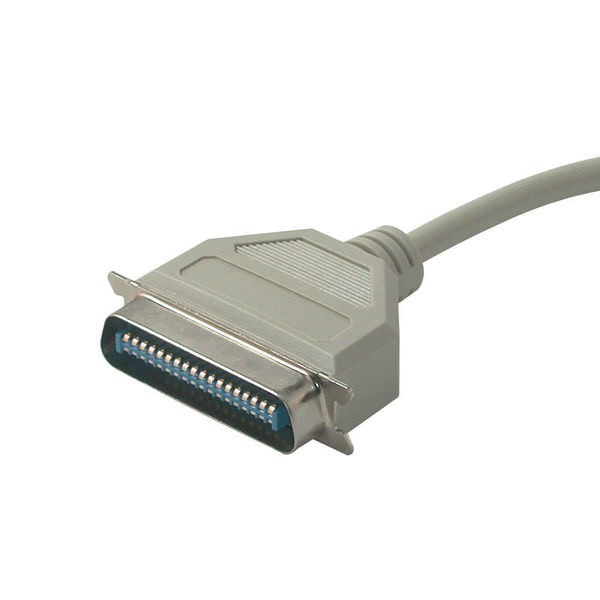

One of the primary benefits of adhering to standards is interoperability. When cables are manufactured to a specific standard, they can be used interchangeably with other devices that comply with the same standard. This means that businesses can easily upgrade or replace their equipment without having to worry about compatibility issues. For example, a printer that conforms to the IEEE 1284 standard can be connected to a computer using a parallel cable that also meets this standard, regardless of the brand or model of the devices.
Another important aspect of standards is quality assurance. Standards set minimum requirements for the materials, construction, and performance of cables, ensuring that they meet a certain level of quality and reliability. This helps to reduce the risk of cable failures, which can lead to data loss, system downtime, and costly repairs. By choosing cables that are certified to meet industry standards, businesses can have confidence in the performance and durability of their equipment.
Types of Standards for Bulk Parallel Cables
There are several different types of standards that apply to bulk parallel cables, each addressing specific aspects of cable design and performance. Some of the most common standards include:
IEEE 1284
The Institute of Electrical and Electronics Engineers (IEEE) 1284 standard is one of the most widely recognized standards for parallel cables. It defines the electrical and mechanical characteristics of parallel interfaces, as well as the protocols for data transfer between devices. The IEEE 1284 standard supports several different modes of operation, including bidirectional and enhanced parallel port (EPP) modes, which offer faster data transfer rates than traditional unidirectional modes.
Cables that comply with the IEEE 1284 standard are commonly used for connecting printers, scanners, and other peripheral devices to computers. They typically feature a DB25 male connector on one end and a Centronics 36 male or female connector on the other end. You can find a variety of IEEE 1284-compliant cables on our website, including the DB25 Male to Centronics 36 Male Parallel Printer Cable.
V.35
The V.35 standard is a telecommunications standard that defines the electrical and mechanical characteristics of high-speed data transmission over leased lines. It is commonly used for connecting routers, modems, and other networking devices to wide area networks (WANs). V.35 cables typically feature a 34-pin connector and support data transfer rates of up to 2 Mbps.
Our 34 Pin V.35 Male To Female Rounter Data Cable is designed to meet the requirements of the V.35 standard, providing reliable and high-speed data transmission for networking applications.
Centronics
The Centronics standard is a legacy standard that was originally developed for connecting printers to computers. It defines the mechanical and electrical characteristics of parallel interfaces, as well as the pin assignments for the connectors. Centronics cables typically feature a 36-pin connector and are commonly used for older printers and other peripheral devices.
We offer a range of Centronics cables, including the Centronics 36 Pin Parallel Printer Cable, which is designed to provide a reliable connection between your printer and computer.
Implications for Businesses and Consumers
For businesses, choosing cables that comply with industry standards is essential for ensuring the smooth operation of their equipment and minimizing the risk of downtime. By using standardized cables, businesses can reduce the complexity of their network infrastructure, simplify maintenance and troubleshooting, and improve the overall efficiency of their operations.
Consumers also benefit from the use of standardized cables. When purchasing a new device, such as a printer or scanner, consumers can be confident that they will be able to find a compatible cable that meets their needs. This makes it easier for consumers to set up and use their devices, without having to worry about compatibility issues.
In addition to the technical benefits, using standardized cables can also have a positive impact on the environment. By choosing cables that are designed to be energy-efficient and environmentally friendly, businesses and consumers can reduce their carbon footprint and contribute to a more sustainable future.
Conclusion
In conclusion, standards play a crucial role in the world of bulk parallel cables. They provide a common framework for cable design and performance, ensuring compatibility, reliability, and safety. By adhering to industry standards, businesses and consumers can enjoy the benefits of interoperability, quality assurance, and environmental sustainability.
As a supplier of bulk parallel cables, we are committed to providing our customers with high-quality cables that meet the latest industry standards. Whether you need a cable for a printer, scanner, router, or other device, we have a wide range of options to choose from. If you have any questions or need assistance in selecting the right cable for your needs, please don't hesitate to contact us. We look forward to working with you to meet your cable requirements.
References
- IEEE Standards Association. (n.d.). IEEE 1284 Standard for a Bi-directional Parallel Peripheral Interface for Personal Computers. Retrieved from [IEEE Website]
- International Telecommunication Union (ITU). (n.d.). V.35: Interface for Data Communication between DTE and DCE at Rates up to 2 Mbit/s on Synchronous Digital Data Circuits. Retrieved from [ITU Website]
- Centronics Corporation. (n.d.). Centronics Parallel Interface Specification. Retrieved from [Centronics Website]