


As a supplier of 36 Pin SCSI Cables, I've encountered numerous inquiries about the different types of these cables. In this blog, I'll delve into the various types of 36 Pin SCSI Cables, their features, and applications to help you make an informed decision when choosing the right cable for your needs.
Understanding SCSI and 36 Pin SCSI Cables
SCSI, which stands for Small Computer System Interface, is a set of standards for physically connecting and transferring data between computers and peripheral devices. SCSI cables are essential components in these systems, facilitating the reliable transmission of data, commands, and power.
The 36 Pin SCSI Cables are specifically designed with 36 pins to support a variety of SCSI - related devices. These cables come in different configurations to meet the diverse requirements of different SCSI setups.
Types of 36 Pin SCSI Cables
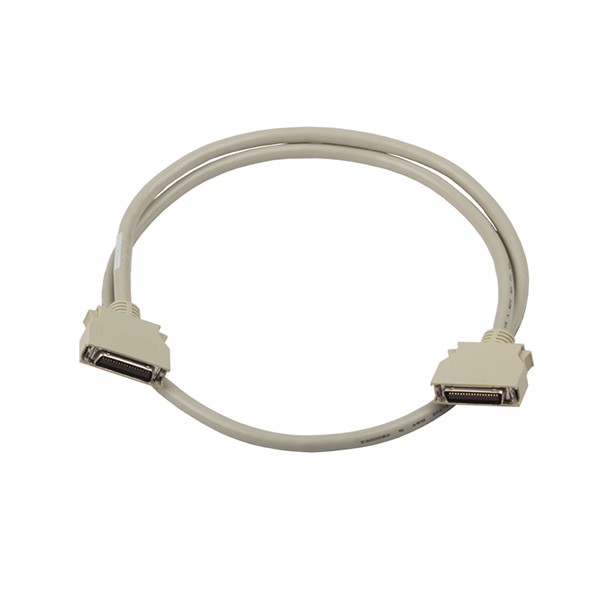
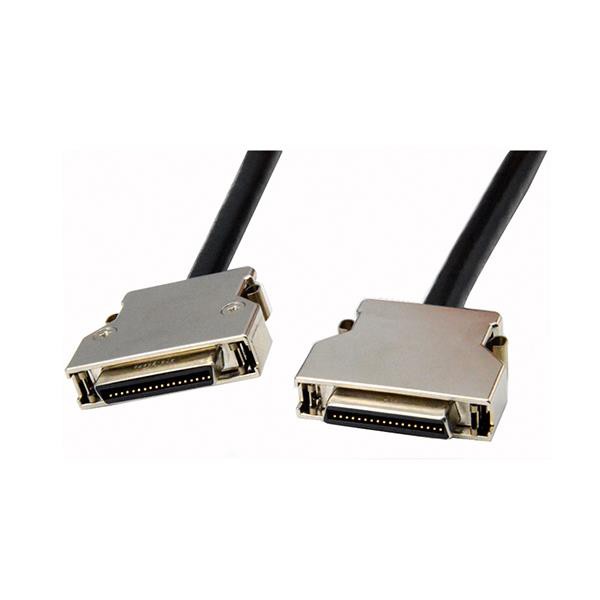
MDR36 Pin Female to Female SCSI Cable with latch clip
One of the common types is the MDR36 Pin Female to Female SCSI Cable with latch clip. This cable features female connectors on both ends, which is useful when you need to connect two devices that have male SCSI connectors. The latch clip is an important feature as it ensures a secure connection between the cable and the devices. This reduces the risk of accidental disconnection, which could lead to data loss or system malfunctions.
These cables are often used in storage systems, such as external hard drives and tape drives. In a data center environment, where reliability is crucial, the latch clip provides an extra layer of security. The female - to - female configuration allows for easy daisy - chaining of multiple devices, enabling you to expand your storage capacity without the need for complex setups.
MDR 36 Pin Cable Assembly
The MDR 36 Pin Cable Assembly is another type that offers a more customized solution. This assembly can be configured in different ways, depending on your specific requirements. It may include additional components such as ferrite beads, which help to reduce electromagnetic interference (EMI). EMI can cause signal degradation and affect the performance of your SCSI system.
MDR 36 Pin Cable Assemblies are commonly used in high - performance computing environments, such as servers and workstations. In these settings, the need for high - speed data transfer and low interference is paramount. The ability to customize the cable assembly allows you to optimize the performance of your SCSI system according to your specific needs.
36 Pin MDR Cable Assembly
The 36 Pin MDR Cable Assembly is similar to the MDR 36 Pin Cable Assembly but may have different pin arrangements or additional features. These assemblies are designed to be compatible with a wide range of SCSI devices, including scanners, printers, and CD - ROM drives.
The 36 Pin MDR Cable Assembly is often used in office environments where multiple SCSI - enabled devices need to be connected to a computer. The flexibility of the assembly allows for easy integration of different devices, making it a popular choice for small - to - medium - sized businesses.
Factors to Consider When Choosing a 36 Pin SCSI Cable
Length
The length of the cable is an important factor to consider. Longer cables may experience more signal loss, especially at higher data transfer rates. If you need to connect devices that are far apart, you may need to choose a cable with better shielding to minimize signal degradation. On the other hand, if the devices are close together, a shorter cable will be sufficient.
Shielding
Shielding is crucial for reducing EMI. Cables with proper shielding can prevent external electromagnetic fields from interfering with the SCSI signals. This is especially important in environments with a lot of electrical equipment, such as data centers and industrial settings.
Connector Type
The type of connectors on the cable is also important. As mentioned earlier, female - to - female connectors are useful for connecting male - connected devices, while male - to - female or male - to - male connectors may be required for different setups. Make sure the connector type is compatible with your devices.
Applications of 36 Pin SCSI Cables
Data Storage
36 Pin SCSI Cables are widely used in data storage systems. External hard drives, tape drives, and RAID arrays all rely on these cables to transfer data between the storage device and the computer. The high - speed data transfer capabilities of SCSI make it an ideal choice for storing and retrieving large amounts of data.
Multimedia Devices
In the multimedia industry, SCSI - enabled devices such as scanners and CD - ROM drives are commonly used. 36 Pin SCSI Cables provide a reliable connection for transferring high - quality images and audio files.
Industrial Automation
In industrial settings, SCSI devices are used for automation and control systems. 36 Pin SCSI Cables ensure the reliable transfer of data between different components of the system, such as sensors, actuators, and controllers.
Conclusion
In conclusion, there are indeed different types of 36 Pin SCSI Cables, each with its own unique features and applications. Whether you need a simple female - to - female cable for a basic storage setup or a customized cable assembly for a high - performance computing environment, there is a 36 Pin SCSI Cable that can meet your needs.
When choosing a cable, consider factors such as length, shielding, and connector type to ensure optimal performance. If you have any questions or need help in selecting the right 36 Pin SCSI Cable for your application, please feel free to contact us. We are here to assist you in making the best decision for your SCSI system.
References
- "SCSI: Small Computer System Interface" - A technical guide on SCSI standards and technologies.
- Industry reports on the use of SCSI cables in data storage, multimedia, and industrial applications.