


As a supplier of Bulk Parallel Cables, I often get asked whether these cables can be used in industrial environments. This is a crucial question, considering the unique demands and challenges that industrial settings present. In this blog, I'll delve into the characteristics of Bulk Parallel Cables, the requirements of industrial environments, and whether these cables are a suitable fit.
Understanding Bulk Parallel Cables
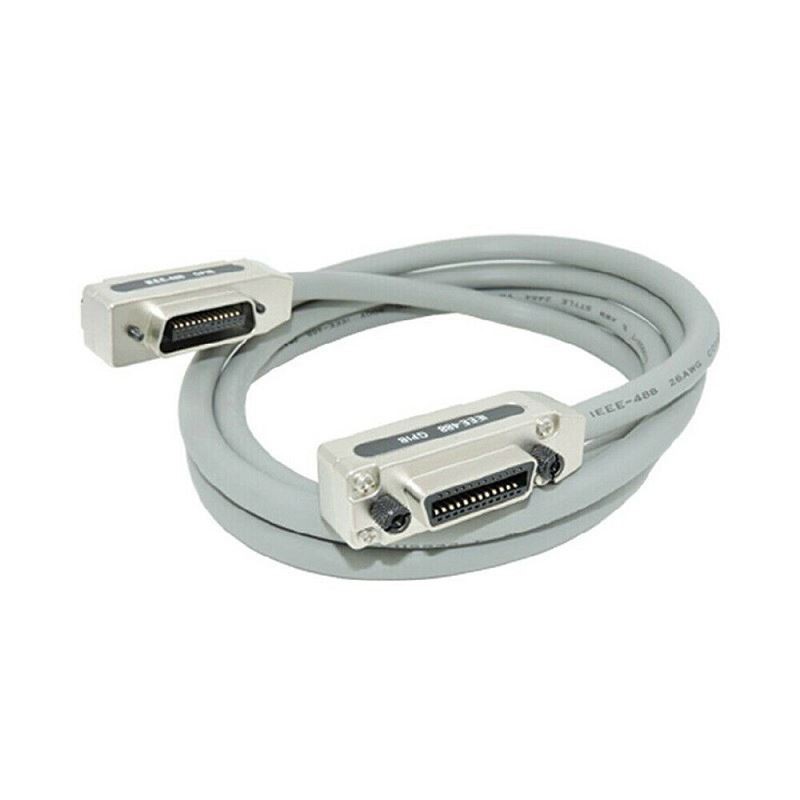
Bulk Parallel Cables are designed to transmit multiple data signals simultaneously over multiple parallel conductors. This design allows for high - speed data transfer, making them ideal for applications where large amounts of data need to be moved quickly. They come in various configurations, such as the DB25 To Centronics 36 Parallel Printer Cable, which is commonly used to connect printers to computers, and the Shielded IEEE 488 Interface CN24 GPIB Cable, which is used in test and measurement equipment.
One of the key features of Bulk Parallel Cables is their ability to handle multiple data lines at once. This is in contrast to serial cables, which transmit data one bit at a time. The parallel nature of these cables means that they can achieve much higher data transfer rates, especially for short - distance applications.
Requirements of Industrial Environments
Industrial environments are known for their harsh conditions. These can include high levels of electrical noise, extreme temperatures, mechanical stress, and exposure to dust and chemicals.
Electrical Noise
In industrial settings, there are numerous sources of electrical noise, such as motors, generators, and power supplies. This noise can interfere with the data signals transmitted through cables, leading to errors and data loss. Cables used in these environments need to have good shielding to protect the data signals from external electromagnetic interference (EMI).
Temperature
Industrial processes can generate a wide range of temperatures. Some areas may be extremely hot, while others may be very cold. Cables need to be able to withstand these temperature variations without losing their electrical and mechanical properties. For example, high temperatures can cause the insulation of the cable to degrade, while low temperatures can make the cable brittle and more prone to breakage.
Mechanical Stress
Industrial equipment is often in constant motion, and cables may be subjected to bending, pulling, and vibration. Cables need to be mechanically robust to withstand these stresses without breaking or experiencing a loss of signal integrity.
Dust and Chemicals
Industrial environments can be dirty, with the presence of dust, dirt, and various chemicals. These substances can damage the cable insulation and conductors over time. Cables need to be resistant to these environmental factors to ensure long - term reliability.
Can Bulk Parallel Cables be Used in Industrial Environments?
The answer is both yes and no, depending on the specific type of Bulk Parallel Cable and the nature of the industrial environment.
Advantages of Using Bulk Parallel Cables in Industrial Environments
- High - Speed Data Transfer: Many industrial applications, such as automated manufacturing processes and high - speed data acquisition systems, require fast data transfer. Bulk Parallel Cables can meet these requirements by transmitting multiple data signals simultaneously.
- Compatibility: Some industrial equipment is designed to work with parallel interfaces. Using Bulk Parallel Cables ensures compatibility with these devices, eliminating the need for costly interface converters.
Challenges of Using Bulk Parallel Cables in Industrial Environments
- Electrical Noise: While some Bulk Parallel Cables, like the Shielded IEEE 488 Interface CN24 GPIB Cable, are shielded to reduce EMI, in extremely noisy industrial environments, the shielding may not be sufficient. The parallel nature of the cables also means that crosstalk can occur between the conductors, further degrading the signal quality.
- Distance Limitations: Bulk Parallel Cables are typically designed for short - distance applications. In large industrial facilities, the distance between different components may be significant, and the signal strength may degrade over long distances.
- Mechanical and Environmental Resistance: Standard Bulk Parallel Cables may not have the necessary mechanical strength and environmental resistance to withstand the harsh conditions in industrial environments. For example, the insulation may not be resistant to chemicals, and the cable may not be able to withstand high levels of vibration.
Solutions for Using Bulk Parallel Cables in Industrial Environments
To overcome the challenges of using Bulk Parallel Cables in industrial environments, several solutions can be implemented.

Improved Shielding
Using cables with better shielding can significantly reduce the impact of electrical noise. For example, double - shielded cables can provide an extra layer of protection against EMI. Additionally, proper grounding of the cables is essential to ensure that any induced noise is safely dissipated.
Temperature - Resistant Materials
Selecting cables made from temperature - resistant materials can help them withstand extreme temperatures. For high - temperature applications, cables with silicone or fluoropolymer insulation can be used, while for low - temperature environments, cables with special cold - resistant insulation are available.
Mechanical Reinforcement
Cables can be reinforced with additional layers of protection to improve their mechanical strength. For example, armored cables have a protective outer layer that can withstand bending, pulling, and impact.
Environmental Sealing
To protect cables from dust and chemicals, they can be sealed or coated with a protective material. This can prevent the ingress of contaminants and extend the life of the cable.
Case Studies
Let's look at a few case studies to illustrate the use of Bulk Parallel Cables in industrial environments.
Automated Manufacturing Plant
In an automated manufacturing plant, a high - speed data acquisition system was required to monitor the performance of multiple sensors. A Bulk Parallel Cable was used to connect the sensors to the data acquisition unit. However, due to the high levels of electrical noise in the plant, the initial cable installation experienced frequent data errors. After replacing the cable with a double - shielded Bulk Parallel Cable and improving the grounding, the data transfer became more reliable, and the error rate was significantly reduced.
Test and Measurement Laboratory
In a test and measurement laboratory, a Shielded IEEE 488 Interface CN24 GPIB Cable was used to connect a spectrum analyzer to a computer. The cable was able to provide high - speed data transfer, allowing for quick and accurate measurements. However, the cable was exposed to a wide range of temperatures during the testing process. By using a cable with temperature - resistant insulation, the cable was able to maintain its performance over the long term.
Conclusion
In conclusion, Bulk Parallel Cables can be used in industrial environments, but careful consideration needs to be given to the specific requirements of the environment. By choosing the right type of cable, implementing appropriate shielding, and ensuring mechanical and environmental resistance, Bulk Parallel Cables can provide reliable high - speed data transfer in industrial settings.
If you are in need of Bulk Parallel Cables for your industrial applications, we are here to help. Our team of experts can assist you in selecting the right cable for your specific needs. Whether you need a DB25 To Centronics 36 Parallel Printer Cable, a Shielded IEEE 488 Interface CN24 GPIB Cable, or a Centronics 36 Pin Parallel Printer Cable, we have a wide range of options available. Contact us today to discuss your requirements and start a procurement negotiation.
References
- "Industrial Cable and Wiring Handbook" by George M. Tomkins
- "Electromagnetic Compatibility Engineering" by Henry W. Ott