


Hey there! I'm a supplier of parallel cables, and today I want to chat about whether a parallel cable can be used for scientific instruments.
First off, let's get a basic understanding of what parallel cables are. Parallel cables are designed to transmit multiple data signals simultaneously. Unlike serial cables that send data bit by bit, parallel cables can handle several bits at once, which was a big deal back in the day when speed mattered for certain applications.
Now, moving on to scientific instruments. Scientific instruments are all about accuracy, precision, and often high - speed data transfer. Think about things like spectrometers, oscilloscopes, and some high - end data loggers. These devices need to collect, process, and sometimes transmit huge amounts of data in a relatively short period.
Advantages of Using Parallel Cables in Scientific Instruments
One of the main advantages of using parallel cables for scientific instruments is speed. In certain scientific experiments, time is of the essence. For example, in a fast - paced chemical reaction measurement, an instrument might need to record data at a very high frequency. A parallel cable can potentially transfer a large block of data in one go, which is much quicker compared to a serial cable that would send the data bit after bit.
Another benefit is the simplicity of the data transfer mechanism. In many scientific setups, simplicity can be a plus. You don't want to spend a lot of time on complex programming or configurations. Parallel cables are relatively straightforward in terms of data transfer. The data is sent in parallel lanes, and as long as the instrument and the receiving device are configured correctly, the data transfer can be seamless.
Disadvantages and Limitations
However, parallel cables aren't all sunshine and rainbows when it comes to scientific instruments. One of the major drawbacks is the limited distance. Parallel cables are generally not suitable for long - distance data transfer. The electrical signals in parallel cables can interfere with each other over longer lengths, leading to data errors. In a large laboratory setting, where instruments might be placed at a decent distance from the control or recording stations, this can be a significant problem.
Interference is also a big issue. In a scientific environment, there are often a lot of electronic devices running at the same time. These devices can generate electromagnetic fields that can interfere with the signals in parallel cables. This interference can corrupt the data being transferred, which is a huge no - no in scientific research, where accuracy is everything.
Compatibility with Scientific Instruments
The compatibility of parallel cables with scientific instruments also varies. Some older scientific instruments were designed with parallel interfaces because that was the standard at the time. For these devices, using a parallel cable is a no - brainer. For example, some of the early spectrometers had parallel ports for data transfer.
But modern scientific instruments are often moving towards more advanced interfaces like USB, Ethernet, or even wireless technologies. These interfaces offer better performance in terms of distance, speed, and immunity to interference. So, if you're using a brand - new scientific instrument, chances are it might not have a parallel interface at all.
Types of Parallel Cables and Their Suitability
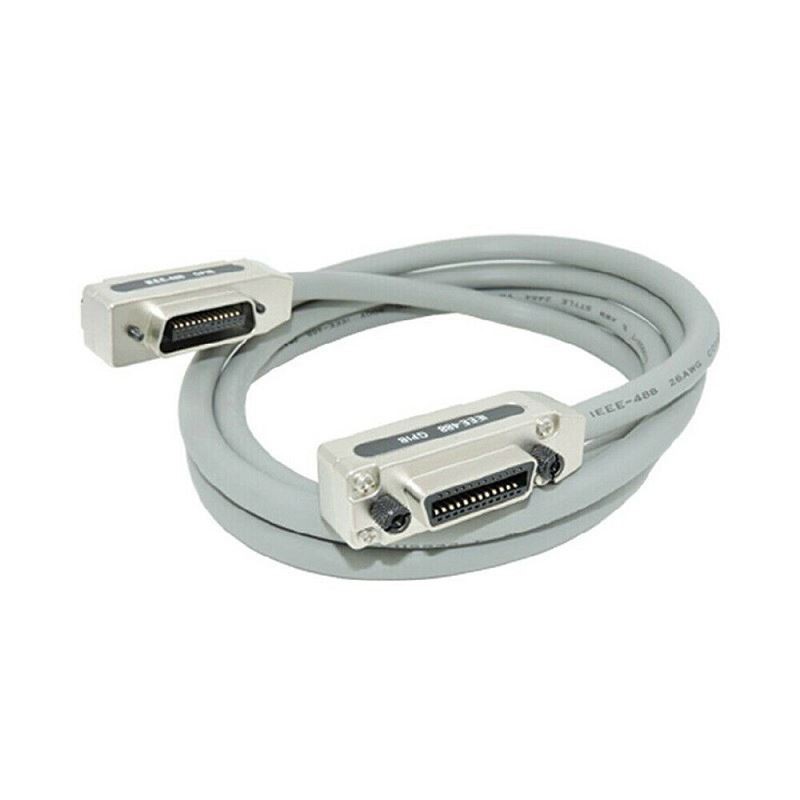
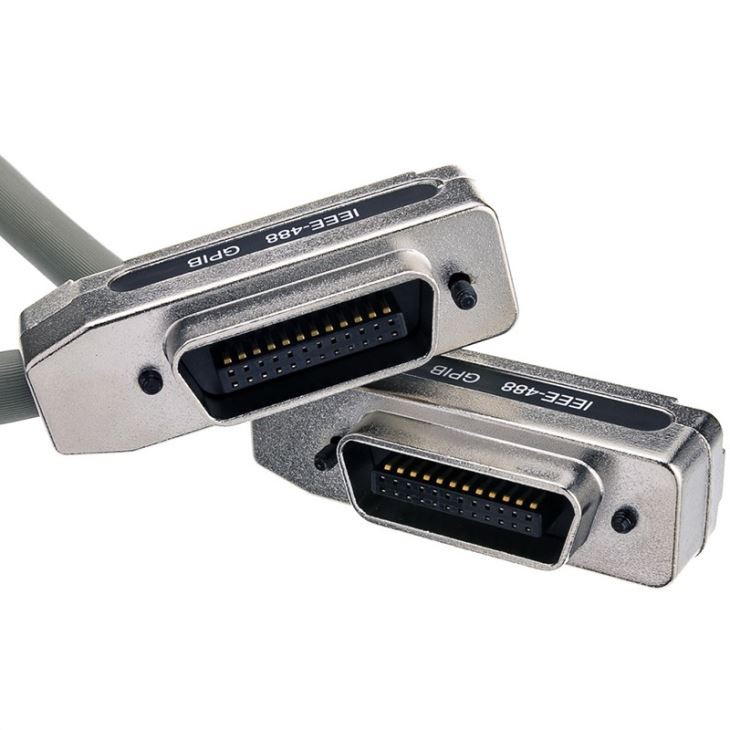
Let's talk about some specific types of parallel cables. We have the Shielded IEEE 488 Interface CN24 GPIB Cable. This cable is based on the IEEE 488 standard, which was widely used in laboratory equipment. It's a bit more robust and has some shielding to reduce interference. It can be a good choice for scientific instruments that support the GPIB interface, especially in a relatively controlled laboratory environment.
The Centronics 36 Pin Parallel Printer Cable was originally designed for printers. But in a scientific context, if you have an older instrument with a compatible parallel port, it could potentially be used for data transfer. However, it doesn't have the same level of specialized features as some cables designed specifically for scientific use.
The DB15 To 34Pin V. 35 Female Cisco Router Cable is more commonly used in networking and router setups. But in some scientific setups where there's a need to connect instruments to networking devices or routers, it could find its place.
Making the Decision
So, can a parallel cable be used for scientific instruments? The answer is it depends. If you're dealing with an older scientific instrument with a parallel interface, and the distance between the instrument and the receiving device is short, and the environment is relatively free of interference, then a parallel cable can work just fine.
On the other hand, if you're using a modern instrument, or you need to transfer data over long distances, or you're in a high - interference environment, you might want to look into other interface options.
Conclusion and Call to Action
In conclusion, parallel cables still have their place in the world of scientific instruments, especially for older devices. But as technology advances, their use is becoming more limited.
If you're interested in exploring parallel cables for your scientific instruments, whether it's the Shielded IEEE 488 Interface CN24 GPIB Cable, the Centronics 36 Pin Parallel Printer Cable, or any other type of parallel cable we offer, feel free to reach out for a chat and a quote. We can help you figure out the best cable for your specific needs, taking into account the instrument you're using, the environment, and your data transfer requirements. We're here to ensure that your scientific experiments run smoothly and that your data is transferred accurately.
References
- Standards documents for IEEE 488 interfaces.
- Technical manuals of common scientific instruments with parallel interfaces.
- Research papers on data transfer in scientific environments.