


As a supplier of 36 Pin SCSI Cables, I often encounter inquiries about whether it's possible to extend a 36 Pin SCSI Cable. In this blog post, I'll delve into the technical aspects, practical considerations, and potential solutions regarding the extension of such cables.
Understanding 36 Pin SCSI Cables
Before discussing cable extension, it's essential to understand what a 36 Pin SCSI Cable is and its functions. Small Computer System Interface (SCSI) is a set of standards for physically connecting and transferring data between computers and peripheral devices. The 36 Pin SCSI Cable is a crucial component in many SCSI-based systems, facilitating high - speed data communication.
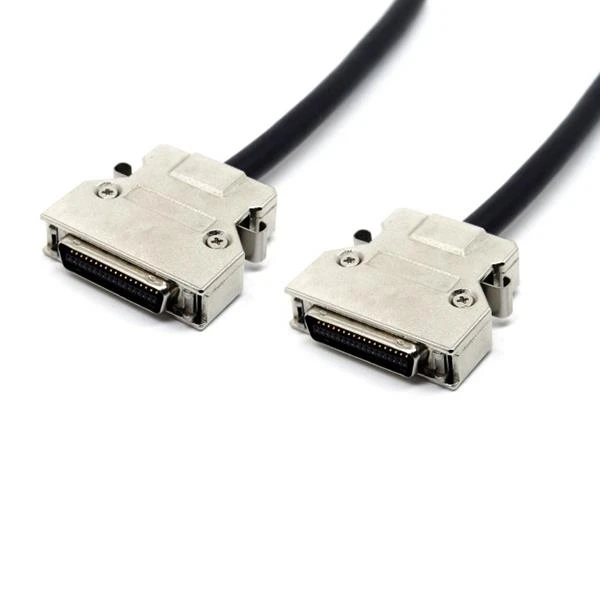
There are different types of 36 Pin SCSI Cables in the market, such as the 36 Pin MDR Cable Assembly. This cable is known for its robust construction and reliable performance in transferring data. The Miniature D-Sub (MDR) connectors provide a secure connection and are designed to withstand the rigors of continuous use.
Another type is the VHDCI 36 Pin To HPCN 36 Pin Cable. VHDCI (Very High - Density Cable Interconnect) and HPCN connectors offer different options for connecting SCSI devices, especially in high - end systems where space and performance are critical factors.
The MDR 36 Position Plug Computer Cables are also widely used. These cables are versatile and can be used in various SCSI configurations, from simple setups to complex multi - device environments.
Technical Challenges of Extending 36 Pin SCSI Cables
Extending a 36 Pin SCSI Cable is not as straightforward as it may seem. There are several technical challenges that need to be considered:
Signal Degradation
As the length of the cable increases, the signal traveling through it is more likely to degrade. SCSI signals are sensitive, and even a small amount of signal loss can result in data errors, reduced transfer speeds, or complete system failures. The resistance, capacitance, and inductance of the cable all contribute to signal degradation. Longer cables have higher resistance, which can cause a drop in signal strength. Capacitance and inductance can also cause signal distortion, leading to bit errors in the data being transmitted.
Impedance Mismatch
Impedance matching is crucial in SCSI systems. A 36 Pin SCSI Cable is designed with a specific characteristic impedance, typically 50 or 75 ohms. When extending the cable, if the impedance of the extension cable does not match that of the original cable, it can lead to signal reflections. These reflections can interfere with the original signal, causing data corruption and communication problems.
Timing Issues
SCSI devices rely on precise timing for data transfer. The longer the cable, the longer the signal propagation delay. This delay can cause timing mismatches between the sending and receiving devices, resulting in data transfer errors. SCSI protocols have specific timing requirements, and any deviation from these requirements can lead to system instability.
Potential Solutions for Extending 36 Pin SCSI Cables
Despite the challenges, there are some solutions that can be used to extend 36 Pin SCSI Cables:
Using High - Quality Extension Cables
Investing in high - quality extension cables can help mitigate some of the signal degradation issues. These cables are often made with better - quality materials, such as low - loss conductors and proper shielding. They are also designed to have a closer impedance match to the original cable, reducing signal reflections. However, even with high - quality cables, the maximum length of the extended cable is still limited.
Signal Boosters or Repeaters
Signal boosters and repeaters can be used to regenerate the SCSI signal. A signal booster amplifies the weakening signal, while a repeater receives the signal, cleans it up, and then re - transmits it. These devices can effectively extend the range of the SCSI cable, but they need to be carefully selected to ensure compatibility with the SCSI system. Not all SCSI devices are designed to work with signal boosters or repeaters, and improper use can still lead to system problems.
Redesigning the System
In some cases, it may be more practical to redesign the SCSI system rather than extend the cable. This could involve moving the SCSI devices closer together, using shorter cables, or even upgrading to a different type of interface if possible.
Practical Considerations
When deciding whether to extend a 36 Pin SCSI Cable, there are also some practical considerations to keep in mind:
Cost
Extending a SCSI cable can be costly, especially if high - quality extension cables or signal boosters are required. Additionally, if the system needs to be redesigned, there may be additional costs associated with re - organizing the equipment and purchasing new cables or components.

System Compatibility
It's important to ensure that any extension solution is compatible with the existing SCSI system. Different SCSI devices may have different requirements, and using an incompatible extension can lead to system failures. Before making any changes, it's advisable to consult the device manufacturers' documentation or technical support.
Maintenance
Extended cables and additional components such as signal boosters or repeaters may require more maintenance. They are more prone to issues such as cable damage, connector wear, and device malfunctions. Regular inspections and maintenance are necessary to ensure the long - term reliability of the system.
Conclusion
In conclusion, while it is technically possible to extend a 36 Pin SCSI Cable, it comes with a number of challenges. Signal degradation, impedance mismatch, and timing issues are significant technical hurdles that need to be addressed. However, with the use of high - quality extension cables, signal boosters, or system redesign, it is possible to achieve a reliable cable extension.
If you're facing the need to extend a 36 Pin SCSI Cable or have any questions about our 36 Pin SCSI Cable products, we're here to help. Our team of experts can provide you with customized solutions based on your specific requirements. Whether you need advice on cable selection, compatibility, or system design, we're ready to engage in a productive discussion. Reach out to us to start a procurement negotiation and find the best solution for your SCSI cable needs.
References
- "SCSI Technology Handbook", by John R. Levine
- Manufacturer's documentation for various 36 Pin SCSI Cable products.
- Technical articles on SCSI systems and cable design from industry - leading publications.