




Yo, what's up tech enthusiasts! I'm a supplier of VHDCI SCSI cables, and today we're diving into a super cool question: Can VHDCI SCSI cables be used in an autonomous vehicle system?
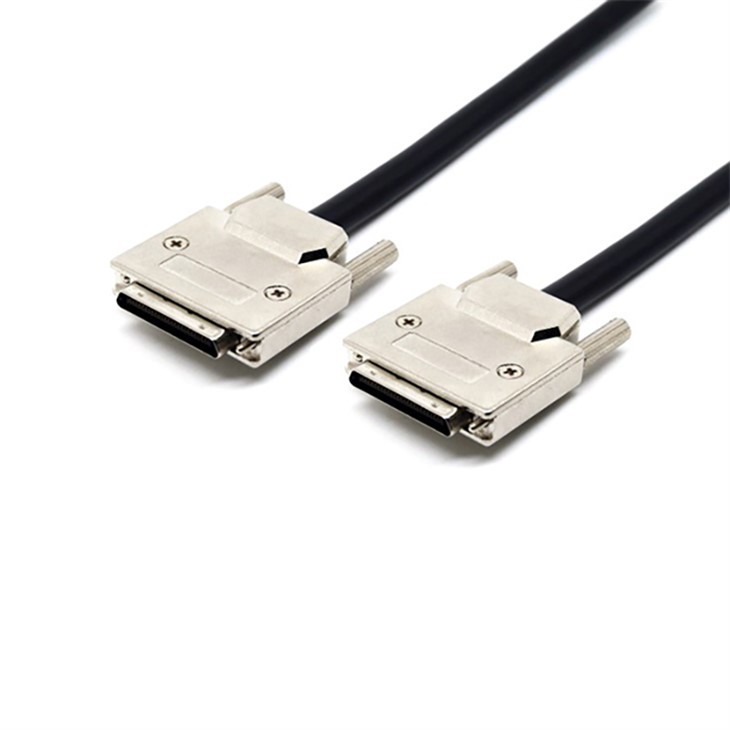

First off, let's talk a bit about what VHDCI SCSI cables are. VHDCI, or Very High - Density Connector Interface, SCSI (Small Computer System Interface) cables are known for high - speed data transfer and reliable connections. They've been around in the computer and storage world for a while, used in servers and high - end storage systems to connect devices like hard drives and tape drives. These cables are designed to handle a large amount of data quickly and efficiently, which is a key factor when we start thinking about their potential use in autonomous vehicles.
Now, let's get into autonomous vehicles. These self - driving cars are like rolling computers on wheels. They're equipped with a whole bunch of sensors, cameras, radar, and LiDAR systems. These sensors collect all sorts of data about the vehicle's surroundings—things like the distance to other cars, the presence of pedestrians, and road conditions. All this data needs to be transferred quickly and accurately to the vehicle's central computer, which then makes decisions about how the car should drive.
One of the big requirements for the data transfer in autonomous vehicles is speed. The sensors are constantly collecting data, and the computer needs to process it in real - time. If there's a delay in data transfer, it could mean the difference between the car making a safe stop or getting into an accident. VHDCI SCSI cables are pretty fast. They can handle high - bandwidth data streams, which is a plus when dealing with the large amount of data that autonomous vehicle sensors produce.
Another important aspect is reliability. Autonomous vehicles operate in all sorts of environments—rain, snow, extreme heat, and cold. The cables need to be able to withstand these conditions without losing their connection or corrupting data. VHDCI SCSI cables are built to be robust. They have good shielding to protect against electromagnetic interference (EMI), which can often mess up data signals. This shielding helps ensure that the data transferred through the cables is accurate and consistent.
But it's not all sunshine and rainbows. There are some challenges when it comes to using VHDCI SCSI cables in autonomous vehicles. One issue is size and weight. Autonomous vehicles need to be as lightweight as possible to improve energy efficiency. VHDCI SCSI cables can be a bit bulky and heavy compared to some other types of cables. This extra weight can add to the overall load of the vehicle and potentially reduce its battery life or fuel efficiency.
Another challenge is the cost. VHDCI SCSI cables are not the cheapest option out there. In the automotive industry, cost is a major factor. Car manufacturers are always looking for ways to reduce production costs without sacrificing quality and safety. So, the relatively high cost of VHDCI SCSI cables might be a deterrent.
However, there are some cases where the benefits of VHDCI SCSI cables could outweigh the drawbacks. For example, in high - end autonomous vehicles or in applications where data transfer speed and reliability are absolutely critical, these cables could be a great choice.
Let's take a look at some of our products. We offer a VHDCI to Quad HDMI Splitter Breakout Cable, which is great for splitting a VHDCI signal into multiple HDMI outputs. This could be useful in an autonomous vehicle for connecting multiple display units, maybe for showing different views from the sensors.
Our VHDCI 50 Pin Male SCSI Cable is a classic option for connecting devices with a 50 - pin VHDCI interface. It's durable and can handle high - speed data transfer, making it potentially suitable for some sensor - to - computer connections in an autonomous vehicle.
And then there's the VHDCI to Quad VGA Splitter Breakout Cable. This cable can split a VHDCI signal into four VGA outputs, which could be used for connecting different types of displays or monitors in the vehicle.
In conclusion, while there are some challenges to using VHDCI SCSI cables in autonomous vehicle systems, they do have some great features that make them a viable option in certain situations. If you're in the automotive industry and are looking for high - speed, reliable data transfer solutions, we might have the right VHDCI SCSI cable for you.
If you're interested in learning more about our products or want to start a procurement discussion, don't hesitate to reach out. We're here to help you find the best cable solutions for your autonomous vehicle projects.
References:
- General knowledge about VHDCI SCSI cables from industry experience.
- Information on autonomous vehicle technology from automotive research and news.