


SCSI (Small Computer System Interface) cables have been a staple in the computer and storage industry for decades, providing a reliable means of connecting various devices such as hard drives, tape drives, and scanners. Among the different types of SCSI cables, the 14-pin SCSI cable is a common choice for specific applications due to its compatibility with certain devices and its ability to transfer data effectively. As a supplier of 14 Pin SCSI Cables, I often receive inquiries from customers about how to connect multiple 14 Pin SCSI Cables together. In this blog post, I will provide a comprehensive guide on this process.
Understanding 14 Pin SCSI Cables
Before delving into the connection process, it's essential to have a basic understanding of 14 Pin SCSI Cables. These cables are designed to transmit data and power between SCSI - compatible devices. The 14 - pin configuration is typically used in smaller or less complex SCSI setups, such as those found in some older desktop computers or specialized industrial equipment.
The 14 pins on the cable have specific functions, including data lines, control lines, and power lines. Each pin is carefully engineered to ensure proper communication and power delivery between devices. When connecting multiple cables, it's crucial to maintain the integrity of these connections to avoid data loss or device malfunction.
Reasons for Connecting Multiple 14 Pin SCSI Cables
There are several reasons why you might need to connect multiple 14 Pin SCSI Cables together. One common reason is to extend the distance between SCSI devices. SCSI cables have a limited length, and in some cases, you may need to place devices farther apart than the standard cable length allows. By connecting multiple cables, you can increase the overall distance.

Another reason is to daisy - chain multiple SCSI devices. Daisy - chaining involves connecting one device to another in a series using SCSI cables. This allows you to connect multiple hard drives, scanners, or other SCSI devices to a single SCSI controller on your computer.
Tools and Materials Needed
To connect multiple 14 Pin SCSI Cables together, you will need the following tools and materials:
- Multiple 14 Pin SCSI Cables: Ensure that the cables are in good condition and compatible with your SCSI devices.
- SCSI Terminators: These are essential for preventing signal reflections and ensuring proper data transmission. You will need terminators for the ends of your SCSI chain.
- A Phillips - head screwdriver: This may be required to remove and attach cable connectors, depending on the type of connectors on your cables.
Step - by - Step Guide to Connecting Multiple 14 Pin SCSI Cables
Step 1: Prepare Your Devices
Turn off all the SCSI devices and the computer before you start connecting the cables. This will prevent any electrical surges or short - circuits that could damage your equipment.
Step 2: Choose the Right Cables
Select the appropriate 14 Pin SCSI Cables for your setup. You can explore our range of high - quality cables, such as the 14 MDR Pin Cable Assembly and the MDR 14 Pin Cable Assembly, which are designed to meet various SCSI connection needs.
Step 3: Start the Connection
Begin by connecting one end of the first 14 Pin SCSI Cable to the SCSI controller on your computer. Make sure the connector is properly aligned and firmly inserted. If the connector has screws, use the Phillips - head screwdriver to secure it in place.
Next, take the other end of the first cable and connect it to the first SCSI device in your chain. Again, ensure a proper and secure connection.
Step 4: Connect Additional Cables
If you need to extend the connection or add more devices, connect the next 14 Pin SCSI Cable to the first device. Match the connectors carefully, and make sure the pins are not bent or damaged. You may need to use a SCSI cable extender or a special adapter if the standard cable connectors are not compatible.
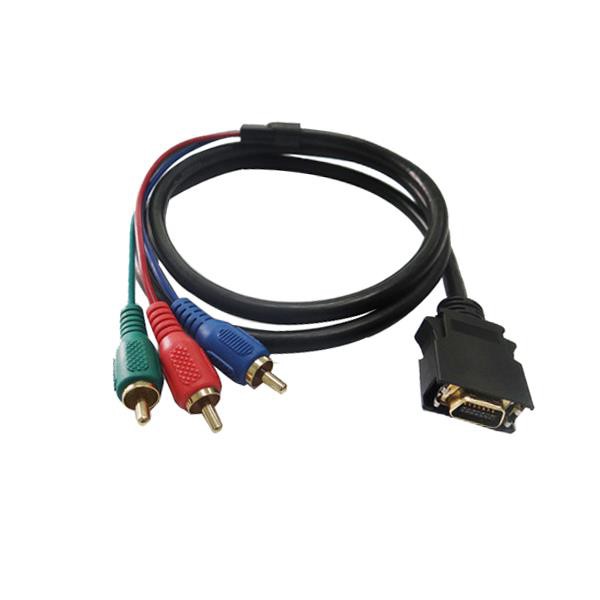
Continue this process for each additional cable and device in your chain. For example, if you are using a MDR 14 Pin to 3 Ports RCA Cable, follow the specific connection instructions for that cable to connect it to the appropriate devices.
Step 5: Add Terminators
Terminate the SCSI chain properly. Place a SCSI terminator at the end of the chain, which is the last device in the daisy - chain. This will prevent signal reflections and ensure stable data transmission. Some SCSI devices have built - in terminators, so check the device's documentation to determine if you need to add an external terminator.
Step 6: Test the Connection
Once all the cables are connected and the terminators are in place, turn on the computer and the SCSI devices. Check if the devices are recognized by the computer. If there are any issues, such as error messages or devices not being detected, double - check all the connections and terminators.
Troubleshooting
If you encounter problems during the connection process, here are some common issues and solutions:
- Devices not recognized: Check all the cable connections to ensure they are secure. Make sure the terminators are properly installed at the ends of the SCSI chain.
- Data transfer errors: This could be due to a damaged cable or improper termination. Try replacing the cable or re - installing the terminators.
- Electrical interference: Keep the SCSI cables away from other electrical sources, such as power cables or motors. You may also consider using shielded SCSI cables to reduce interference.
Quality Assurance of Our 14 Pin SCSI Cables
As a supplier of 14 Pin SCSI Cables, we take pride in the quality of our products. Our cables are manufactured using high - quality materials and strict quality control processes. We ensure that each cable meets the industry standards for SCSI connections, providing reliable data transfer and long - term durability.
Contact for Purchase and Consultation
If you are interested in purchasing our 14 Pin SCSI Cables or need further advice on connecting multiple cables together, feel free to contact us. Our team of experts is ready to assist you with your SCSI cable needs and provide you with the best solutions for your specific applications.
References
- "SCSI Handbook" - A comprehensive guide to SCSI technology and its applications.
- Manufacturer's documentation for SCSI devices and cables.