




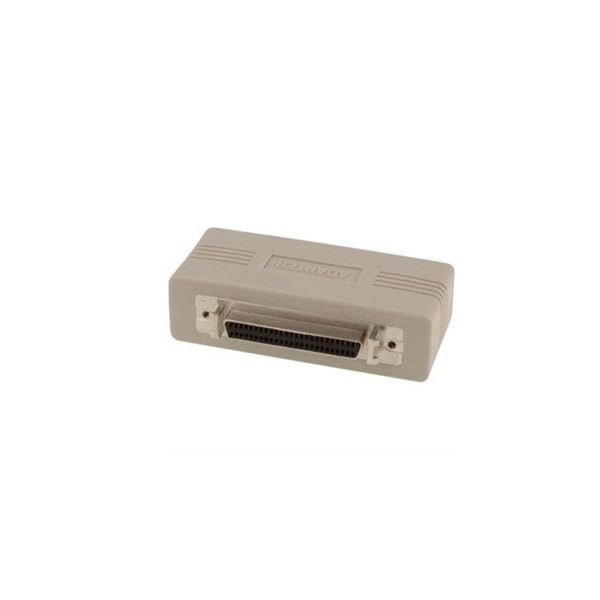
In the dynamic world of SCSI adapter manufacturing, effective production schedule management is crucial for meeting market demands, maintaining quality, and ensuring profitability. As a seasoned supplier in the SCSI adapter factory, I've witnessed firsthand the intricacies involved in orchestrating a seamless production process. In this blog post, I'll share insights into how we manage our production schedules to deliver high-quality SCSI adapters, such as the 68 Female to IDC 50 Male SCSI Adapter, HD50 Female to Female Gender Changer, and IDC 50 Male to External 68 Female Adapter, on time.
Understanding Market Demand
The first step in managing our production schedule is to accurately gauge market demand. We conduct thorough market research to identify trends, customer preferences, and potential growth areas. This involves analyzing historical sales data, monitoring industry news, and engaging with customers directly to understand their needs. By staying ahead of market trends, we can anticipate demand fluctuations and adjust our production schedules accordingly.
For instance, if we notice an increasing demand for high-speed SCSI adapters in a particular region, we can allocate more resources to producing these models. On the other hand, if a certain type of adapter is becoming obsolete, we can gradually reduce production to avoid overstocking. This proactive approach helps us optimize our production capacity and minimize waste.

Forecasting and Planning
Based on our market research, we develop detailed production forecasts. These forecasts take into account factors such as seasonality, new product launches, and competitor activities. We use advanced forecasting tools and techniques to project demand for different SCSI adapter models over a specific period, typically six months to a year.
Once we have a clear understanding of future demand, we create a production plan. This plan outlines the quantity of each adapter model to be produced, the production timeline, and the resources required. We also factor in lead times for raw materials and components, as well as any potential bottlenecks in the production process. By having a well-defined production plan, we can ensure that we have the necessary resources in place to meet our production targets.
Resource Allocation
Effective resource allocation is essential for optimizing our production schedule. We have a limited supply of raw materials, labor, and manufacturing equipment, so it's crucial to allocate these resources efficiently. We prioritize production based on customer orders, market demand, and profitability.
For example, if we have a large order for a specific SCSI adapter model with a tight delivery deadline, we may allocate more resources to producing that model. We also consider the availability of raw materials and components when making resource allocation decisions. If a particular component is in short supply, we may adjust our production schedule to focus on models that use alternative components.
In addition to raw materials and labor, we also need to manage our manufacturing equipment effectively. We schedule regular maintenance and calibration to ensure that our equipment is operating at peak performance. We also invest in new equipment and technology to improve our production efficiency and quality.
Production Scheduling
Once we have our production plan and resource allocation in place, we create a detailed production schedule. This schedule breaks down the production process into individual tasks and assigns them to specific workstations or teams. We use a variety of scheduling techniques, such as Gantt charts and critical path method (CPM), to ensure that tasks are completed in the correct sequence and on time.
We also build in some flexibility into our production schedule to accommodate unexpected events, such as equipment breakdowns or supply chain disruptions. For example, we may have a buffer of extra inventory or a contingency plan to switch to alternative suppliers if needed. By having a flexible production schedule, we can minimize the impact of unforeseen events on our production output.
Monitoring and Control
Throughout the production process, we closely monitor our progress against the production schedule. We use real-time data and analytics to track key performance indicators (KPIs), such as production output, quality control, and inventory levels. By monitoring these KPIs, we can identify any issues or bottlenecks early on and take corrective action.
If we notice that a particular workstation is falling behind schedule, we can investigate the cause and take steps to address it. This may involve reallocating resources, providing additional training to the team, or adjusting the production schedule. We also conduct regular quality control checks to ensure that our SCSI adapters meet our high standards. Any defective products are identified and removed from the production line to prevent them from reaching the customer.
Collaboration and Communication
Effective collaboration and communication are essential for managing our production schedule. We have a cross-functional team that includes sales, marketing, production, and logistics departments. We hold regular meetings to discuss production progress, address any issues or concerns, and make adjustments to the production schedule as needed.
We also maintain open lines of communication with our suppliers and customers. We work closely with our suppliers to ensure that we have a reliable supply of raw materials and components. We also keep our customers informed about the status of their orders and any potential delays. By building strong relationships with our suppliers and customers, we can improve our production efficiency and customer satisfaction.
Continuous Improvement
Finally, we are committed to continuous improvement in our production schedule management. We regularly review our production processes and performance to identify areas for improvement. We also seek feedback from our employees, suppliers, and customers to gain new insights and perspectives.
Based on our findings, we implement changes and improvements to our production schedule management system. This may involve adopting new technologies, optimizing our production processes, or improving our communication and collaboration practices. By continuously improving our production schedule management, we can enhance our competitiveness in the market and deliver high-quality SCSI adapters to our customers on time.
Conclusion
Managing a production schedule in a SCSI adapter factory is a complex and challenging task. It requires a deep understanding of market demand, effective forecasting and planning, efficient resource allocation, and close monitoring and control. By following these best practices and continuously improving our processes, we can ensure that we meet our production targets, deliver high-quality products, and maintain a competitive edge in the market.
If you're interested in purchasing SCSI adapters for your business, we'd love to hear from you. Our team of experts can provide you with more information about our products and services, and help you find the right SCSI adapter solutions for your needs. Contact us today to start a conversation about your procurement requirements.
References
- Heizer, Jay, and Barry Render. Operations Management: Sustainability and Supply Chain Management. Pearson, 2020.
- Stevenson, William J. Operations Management. McGraw-Hill Education, 2021.
- Slack, Nigel, et al. Operations Management. Pearson, 2019.