


In the realm of data transfer and connectivity, choosing the right cable is crucial for ensuring efficient and reliable performance. Two types of cables that have been widely used in various industries are Bulk Parallel Cables and SCSI (Small Computer System Interface) cables. As a supplier of Bulk Parallel Cables, I am often asked about how these cables compare to SCSI cables. In this blog post, I will delve into the characteristics, advantages, and disadvantages of both types of cables to help you make an informed decision.
Understanding Bulk Parallel Cables
Bulk Parallel Cables are designed to transmit multiple bits of data simultaneously over parallel paths. This allows for high - speed data transfer, making them suitable for applications where large amounts of data need to be moved quickly. These cables typically have multiple conductors, which are arranged in parallel to each other.
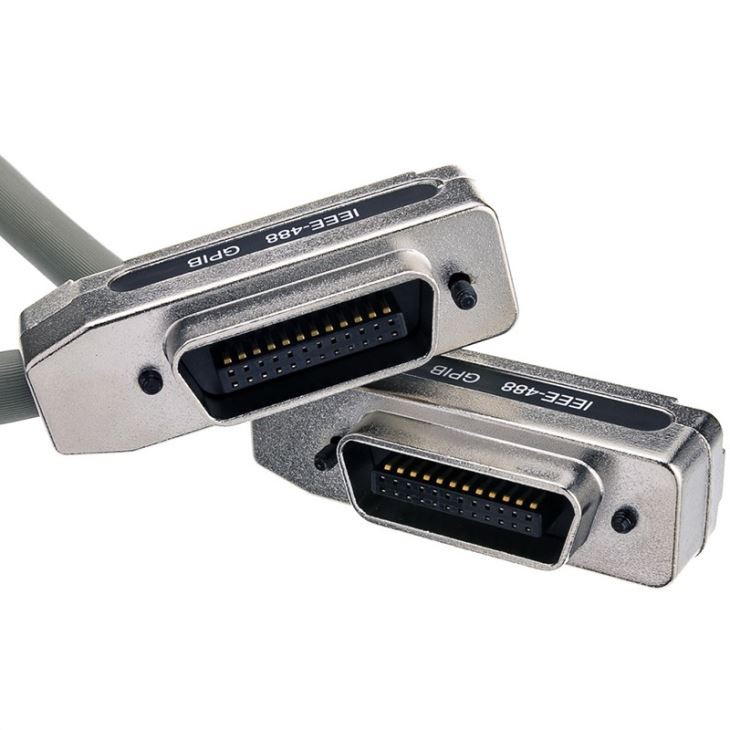
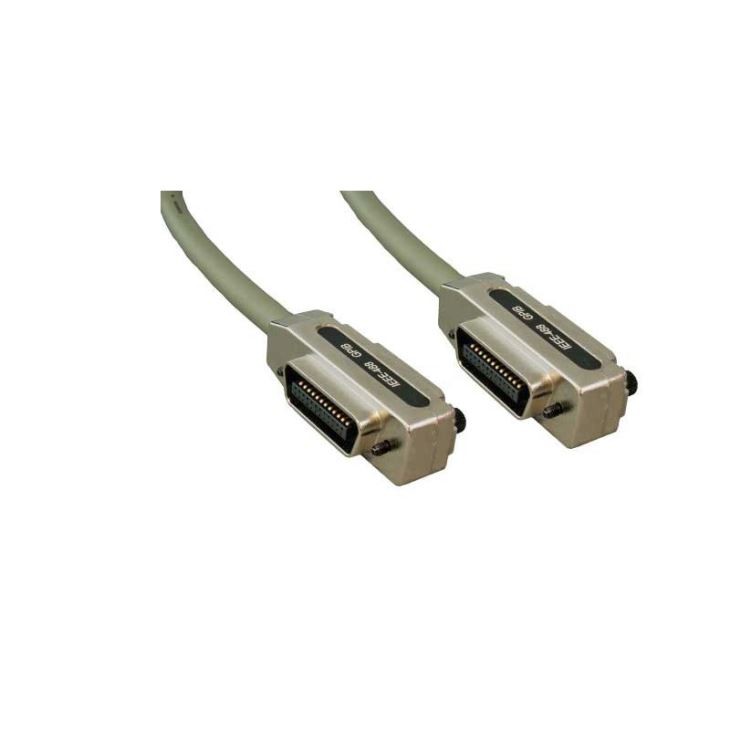
One of the key features of Bulk Parallel Cables is their versatility. They come in a variety of configurations and connector types to meet different application requirements. For example, we offer the DB25 Male to Half - Pitch Centronics 36 Male Cable, which is commonly used for connecting printers, scanners, and other peripheral devices to computers. Another popular option is the Shielded IEEE 488 Interface CN24 GPIB Cable, which is used in test and measurement equipment for high - speed data transfer between instruments and controllers. The 36 Way Centronics Male To CN36 Printer Cable is also a common choice for printer connections.
An Overview of SCSI Cables
SCSI cables, on the other hand, are specifically designed for use with SCSI interfaces. SCSI is a set of standards for physically connecting and transferring data between computers and peripheral devices such as hard drives, tape drives, and optical drives. SCSI cables are known for their high - speed data transfer capabilities and the ability to support multiple devices on a single bus.
SCSI cables come in different types, including narrow SCSI (8 - bit) and wide SCSI (16 - bit or 32 - bit), which offer different levels of data transfer rates. They also use a variety of connector types, such as the 50 - pin, 68 - pin, and 80 - pin connectors, depending on the specific SCSI standard and the devices being connected.
Data Transfer Speed
When it comes to data transfer speed, both Bulk Parallel Cables and SCSI cables have their own advantages. Bulk Parallel Cables can achieve relatively high data transfer rates, especially in short - distance applications. The parallel nature of these cables allows them to transfer multiple bits of data at the same time, which can result in fast data transfer. However, the speed of Bulk Parallel Cables is often limited by factors such as cable length and signal interference.
SCSI cables, on the other hand, are designed to support high - speed data transfer over longer distances. The SCSI interface has evolved over the years, with newer versions offering significantly higher data transfer rates. For example, Ultra320 SCSI can achieve data transfer rates of up to 320 MB/s, making it suitable for applications that require fast and reliable data transfer, such as enterprise - level storage systems.
Distance Limitations
Distance is an important factor to consider when choosing between Bulk Parallel Cables and SCSI cables. Bulk Parallel Cables are generally more suitable for short - distance applications. As the cable length increases, the signal quality can degrade due to factors such as capacitance, resistance, and signal interference. This can result in data errors and reduced data transfer speeds.
SCSI cables, on the other hand, are designed to support longer cable lengths. The SCSI interface uses techniques such as differential signaling to reduce the effects of signal interference and maintain signal integrity over longer distances. However, the maximum cable length also depends on the specific SCSI standard and the devices being connected.
Device Support
Another important aspect to consider is the number of devices that can be supported by each type of cable. Bulk Parallel Cables are typically used to connect a single peripheral device to a computer. While it is possible to use a splitter or a hub to connect multiple devices, this can often lead to signal degradation and reduced performance.
SCSI cables, on the other hand, are designed to support multiple devices on a single bus. The SCSI interface uses a system of device IDs to identify and communicate with each device on the bus. This allows for the connection of multiple hard drives, tape drives, and other peripheral devices to a single computer, making SCSI a popular choice for enterprise - level storage systems.
Cost
Cost is always a consideration when choosing between different types of cables. Bulk Parallel Cables are generally more affordable than SCSI cables. They are widely available and come in a variety of configurations, which makes them a cost - effective choice for many applications.
SCSI cables, on the other hand, can be more expensive. The SCSI interface requires specialized hardware and connectors, which can add to the overall cost. Additionally, the cost of SCSI devices such as hard drives and tape drives is often higher than that of their non - SCSI counterparts.
Ease of Installation
Bulk Parallel Cables are relatively easy to install. They typically use standard connectors such as DB25 and Centronics, which are commonly found on computers and peripheral devices. This makes it easy to connect and disconnect the cables as needed.
SCSI cables, on the other hand, can be more complex to install. The SCSI interface requires proper termination and device ID configuration to ensure proper operation. Incorrect installation can lead to data errors and system instability.
Reliability and Durability
Both Bulk Parallel Cables and SCSI cables are designed to be reliable and durable. However, the reliability of each type of cable depends on factors such as the quality of the cable materials, the manufacturing process, and the operating environment.
Bulk Parallel Cables are generally less susceptible to electromagnetic interference (EMI) when properly shielded. The parallel design of the cables allows for redundant data transfer, which can help to improve the reliability of the data transfer.
SCSI cables are also designed to be reliable, especially in high - performance applications. The SCSI interface uses error - checking and correction techniques to ensure the integrity of the data being transferred. Additionally, the SCSI cables are often constructed with high - quality materials to withstand the rigors of continuous use.
Conclusion
In conclusion, both Bulk Parallel Cables and SCSI cables have their own advantages and disadvantages. Bulk Parallel Cables are a cost - effective and versatile option for short - distance applications that require high - speed data transfer between a single computer and a peripheral device. They are easy to install and come in a variety of configurations to meet different application requirements.
SCSI cables, on the other hand, are designed for high - performance applications that require fast and reliable data transfer over longer distances and support for multiple devices. They are more expensive and complex to install, but they offer higher data transfer rates and better device support.
When choosing between Bulk Parallel Cables and SCSI cables, it is important to consider factors such as data transfer speed, distance limitations, device support, cost, ease of installation, and reliability. If you have any questions or need further assistance in choosing the right cable for your application, please feel free to contact us. We are a leading supplier of Bulk Parallel Cables and can provide you with the best solutions to meet your needs.
References
- "Parallel Interface Handbook" by Douglas A. Smith
- "SCSI: The Complete Reference" by Andrew M. Tanenbaum