


Hey there, folks! As a supplier of parallel cables, I've been in the thick of the cable game for quite a while. One of the most commonly asked questions I get is about cable splicing techniques for parallel cables. Today, I'm gonna dive deep into this topic and share some key insights with you.
First things first, let's understand what cable splicing is. In simple terms, cable splicing is the process of joining two or more cables together to create a continuous connection. When it comes to parallel cables, it's all about making sure that the electrical signals can flow smoothly across the splice without any hitches.
One of the most basic techniques for splicing parallel cables is the mechanical splice. This involves using connectors or clamps to physically hold the cables together. It's a relatively quick and easy method, but it might not be the most reliable for long - term use. For instance, in a mechanical splice, the connectors can loosen over time due to vibrations or temperature changes. However, if you're looking for a temporary fix or a quick setup, it can do the job.
Another common method is the fusion splice. This is a more permanent and reliable option. In a fusion splice, an electric arc is used to melt the ends of the cables together, creating a seamless connection. The advantage of this technique is that it provides low - loss and high - strength joints. The downside? It requires specialized equipment, so it's not something you can do on the fly. But for high - performance applications where signal integrity is crucial, it's definitely worth the investment.
Now, when it comes to parallel cables, there are some specific considerations. Parallel cables usually have multiple conductors, and each conductor needs to be spliced correctly. In a parallel cable, the conductors are typically arranged side by side, and it's essential to line them up precisely during the splicing process. For example, if you're splicing a Shielded IEEE 488 Interface CN24 GPIB Cable, which has a specific number of conductors for data transmission, any misalignment during splicing can lead to signal interference or even complete failure.
Let's talk about pre - termination splicing. This is a technique where the cables are pre - terminated with connectors at the factory. Then, during installation, the pre - terminated ends are spliced together. It's a convenient option as it reduces the on - site splicing time and the chances of errors. For instance, our DB25 Male to Half - Pitch Centronics 36 Male Cable can be pre - terminated, making the splicing process much easier for the end - user.
For outdoor or harsh - environment applications, it's important to consider the protection of the splice. Moisture, dirt, and temperature extremes can all affect the performance of a splice. One way to protect the splice is to use a splice enclosure. These enclosures can be made of plastic or metal and are designed to keep out the elements. They also provide mechanical protection, preventing the splice from being damaged by physical impacts.
There's also the issue of grounding in parallel cable splicing. Grounding helps to protect the cables and equipment from electrical surges and interference. When splicing parallel cables, it's important to ensure that the grounding conductors are properly connected. This helps to maintain a stable electrical environment and reduces the risk of electrical noise.
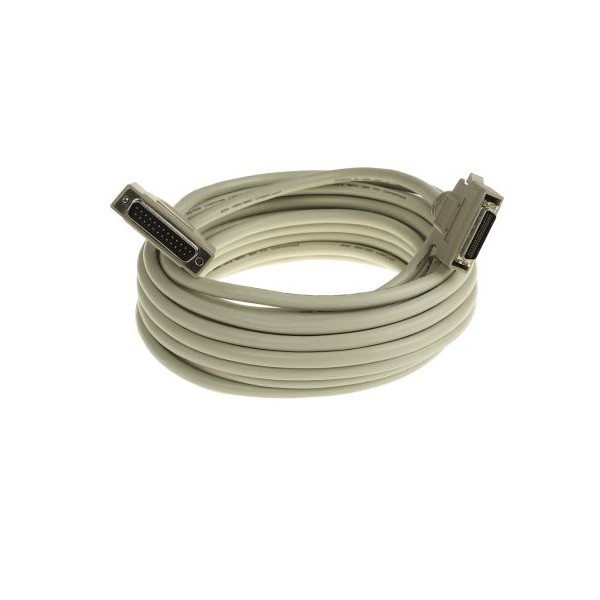
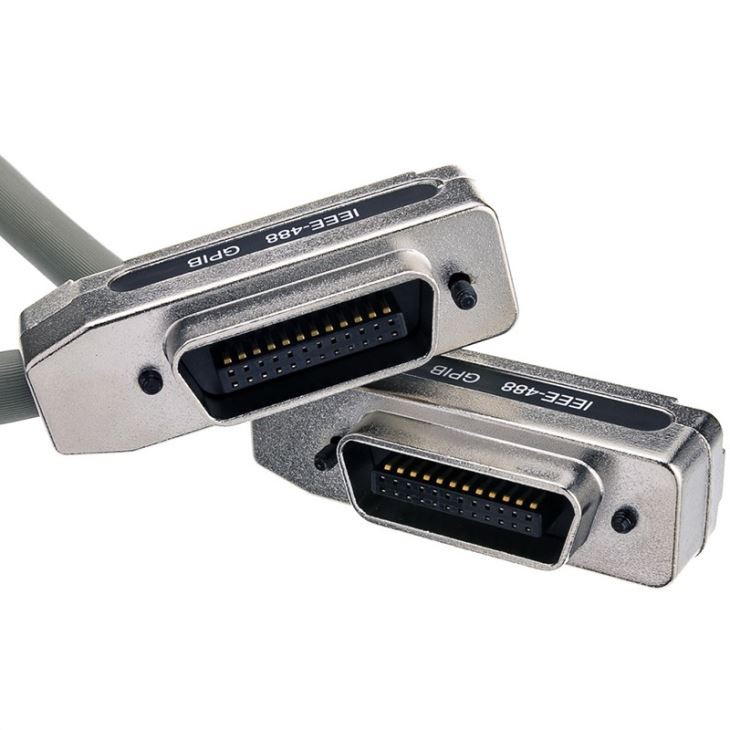
If you're dealing with high - speed parallel cables, such as the 34 Pin V.35 Male To Female Rounter Data Cable, signal integrity becomes even more critical. High - speed signals are more susceptible to attenuation, reflection, and crosstalk. To mitigate these issues, you might need to use impedance - matching techniques during splicing. This involves ensuring that the characteristic impedance of the cables and the splice are the same, which helps to minimize signal reflections.
When it comes to training and skill requirements, cable splicing is not something that just anyone can do. It requires a certain level of expertise and experience. You need to understand the different types of cables, the electrical properties of the conductors, and the splicing techniques themselves. There are many training courses available that can teach you the ins and outs of cable splicing, and it's a good idea to get certified if you're planning to do a lot of splicing work.
Now, if you're in the market for parallel cables or need some advice on cable splicing techniques, I'm here to help. As a parallel cable supplier, I've dealt with all sorts of cable requirements. Whether you need a simple cable for a home setup or high - performance cables for an industrial application, we've got you covered. Feel free to reach out if you have any questions or if you're ready to discuss your cable needs.
In conclusion, cable splicing for parallel cables is a complex but essential process. Choosing the right splicing technique depends on various factors such as the application, the environment, and the type of cable. By understanding the different techniques and their pros and cons, you can make an informed decision that will ensure reliable and efficient cable connections. So, don't hesitate to get in touch and start that conversation about your next cable project.
References
- Cable Installation Handbook
- Electrical Wiring and Splicing Guide