




As a provider of 36 Pin SCSI Cables, I've encountered a wide range of issues with these cables in the market. These cables are widely utilized in various computer systems, especially in older hardware setups for data transfer between devices such as hard drives, tape drives, and CD - ROM drives. Understanding the common problems with these cables is essential for both users and providers like us to ensure smooth operation and reliable data transfer.
Signal Interference
One of the most prevalent problems with 36 Pin SCSI Cables is signal interference. SCSI cables are designed to carry multiple data signals simultaneously, and in a crowded environment, these signals can interfere with each other. This interference can be caused by electromagnetic fields generated by other electronic devices nearby. For example, if a 36 Pin SCSI Cable is placed too close to a high - power electrical device like a power supply unit or a large monitor, the electromagnetic fields from these devices can disrupt the data signals in the cable.
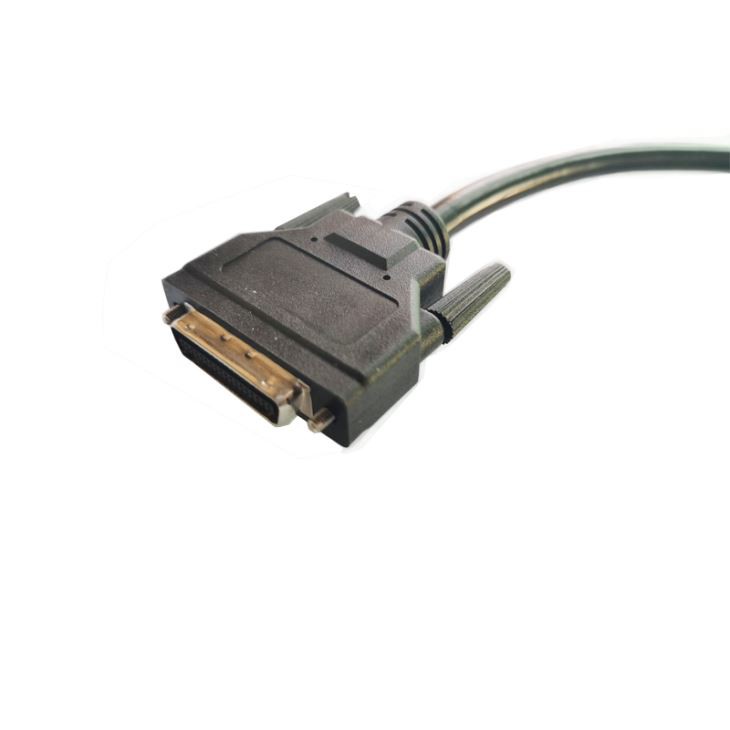
The result of signal interference is often data corruption or loss. When the signals are distorted, the receiving device may not be able to interpret the data correctly, leading to errors in data read or write operations. In severe cases, it can even cause the connected devices to malfunction. To minimize signal interference, we recommend using shielded 36 Pin SCSI Cables. Our MDR 36 Position Male Cables with Screw are equipped with high - quality shielding materials to protect the data signals from external electromagnetic interference. The shielding acts as a barrier, preventing the external electromagnetic fields from penetrating the cable and affecting the data transmission.
Cable Length Limitations
Another significant problem with 36 Pin SCSI Cables is the length limitation. SCSI technology has specific requirements regarding cable length. As the cable length increases, the signal strength decreases, and the risk of signal degradation becomes higher. This is because the electrical resistance in the cable increases with length, causing the voltage of the signals to drop.
In general, for 36 Pin SCSI Cables, the maximum recommended length is around 3 meters. If the cable is longer than this, the data transfer rate may slow down significantly, and the probability of data errors increases. For instance, if you try to connect a hard drive to a computer using a 36 Pin SCSI Cable that is 5 meters long, you may experience frequent data transfer failures or slow access times.
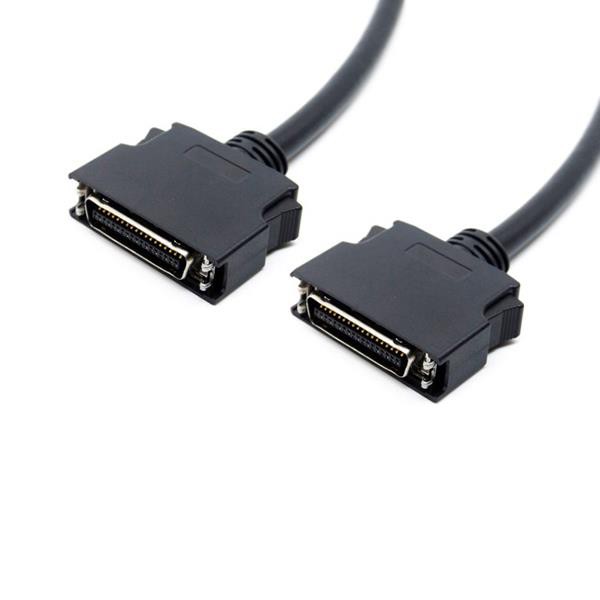
To address this issue, we offer a variety of cable lengths to meet different user needs. Our HPCN 36 Pin Male To Male SCSI Cable comes in standard lengths that comply with the SCSI specifications, ensuring optimal signal strength and reliable data transfer. If a longer cable is required, repeaters or signal boosters can be used to enhance the signal strength along the length of the cable.
Connector Issues
The connectors on 36 Pin SCSI Cables are also a common source of problems. Over time, the connectors can become loose, corroded, or damaged. Loose connectors can lead to intermittent contact, which means that the data transfer may stop or experience errors randomly. This can be particularly frustrating as it is often difficult to diagnose the problem precisely.
Corrosion of the connectors is usually caused by exposure to moisture or a humid environment. When the connectors corrode, the electrical conductivity is reduced, which affects the quality of the data transfer. Physical damage to the connectors, such as bent pins or broken housings, can also prevent the cable from functioning correctly.
To minimize connector - related problems, we pay close attention to the quality of the connectors used in our cables. Our MDR 36 Pin Cable Assembly features high - quality connectors that are designed to be durable and resistant to corrosion. We also recommend that users handle the cables and connectors with care, avoid over - bending or pulling the cables, and store them in a dry environment.
Compatibility Problems
Compatibility issues can also arise when using 36 Pin SCSI Cables. Different SCSI devices may have different requirements for voltage, data transfer rates, and signal types. If a 36 Pin SCSI Cable is not compatible with the connected devices, it can lead to data transfer failures or incorrect operation.
For example, some older SCSI devices may use a different voltage level than newer ones. If a cable designed for a newer device is used with an older device, the voltage may not be suitable, causing the device to malfunction. Additionally, different SCSI standards may have different data transfer rates. Using a cable that does not support the required data transfer rate can result in slow or unreliable data transfer.
To ensure compatibility, we provide detailed product specifications for all our 36 Pin SCSI Cables. Before making a purchase, we recommend that users check the specifications of their devices and choose the cable that best matches their requirements. Our customer service team is also available to assist users in selecting the right cable for their specific needs.
Wear and Tear
Like any other physical component, 36 Pin SCSI Cables are subject to wear and tear over time. Frequent bending, twisting, and pulling of the cables can cause the internal wires to break or become loose. This can lead to intermittent or complete loss of data transfer. Additionally, the outer insulation of the cable can also be damaged, exposing the internal wires to potential damage.
To increase the lifespan of the cables, we use high - quality materials in the manufacturing process. Our cables are designed to be flexible and durable, able to withstand normal wear and tear. However, it is still important for users to handle the cables properly. For example, when installing or removing the cables, users should hold the connectors firmly instead of pulling on the cable itself.
In conclusion, while 36 Pin SCSI Cables are a reliable means of data transfer in many computer systems, they are not without problems. Signal interference, cable length limitations, connector issues, compatibility problems, and wear and tear are all common issues that users may encounter. As a 36 Pin SCSI Cable supplier, we are committed to providing high - quality cables that minimize these problems. We offer a variety of products, including MDR 36 Position Male Cables with Screw, HPCN 36 Pin Male To Male SCSI Cable, and MDR 36 Pin Cable Assembly, to meet different user requirements.
If you are in need of high - quality 36 Pin SCSI Cables, feel free to contact us for purchasing and further discussions. We are always ready to offer our professional advice and support to ensure that you get the best products for your specific needs.
References
- "SCSI Interface Handbook", by Craig Hunt
- "Computer Hardware: A Beginner's Guide", by Andy Rathbone