


Hey there! As a supplier of SCSI Adapters, I've spent a good amount of time diving into the ins and outs of these nifty devices. One of the most important aspects to understand is the heat generation characteristics of a SCSI Adapter. Let's take a closer look at what makes these adapters heat up and how it can impact their performance.

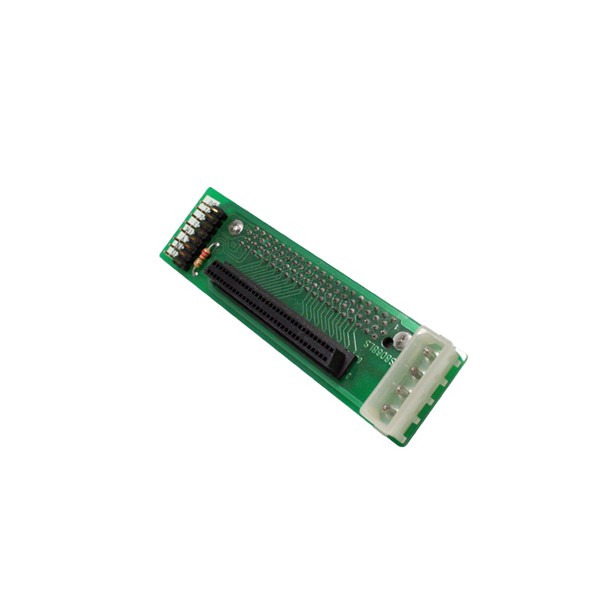
First off, it's crucial to know that SCSI Adapters are electronic components, and like any other electronics, they generate heat when they're in use. This heat is a by - product of the electrical energy being converted into useful work, like data transfer. The amount of heat generated depends on several factors, and we'll go through them one by one.
Factors Affecting Heat Generation
1. Power Consumption
The power consumption of a SCSI Adapter is a major factor in heat generation. Higher - power adapters tend to produce more heat. For example, if an adapter has a lot of advanced features like high - speed data transfer capabilities, it will likely require more power. This extra power means more electrical energy is being used, and a portion of it is dissipated as heat. Some of our high - end SCSI Adapters are designed for heavy - duty applications, and they do consume more power compared to the basic models.
2. Data Transfer Rate
The speed at which data is transferred through the SCSI Adapter also affects heat production. When the adapter is transferring data at a high rate, more electrical signals are being processed. This increased processing load causes the components inside the adapter to work harder, generating more heat. Think of it like a car engine running at high speed; it gets hotter because it's working more intensively. Our SCA 80 to 68 Pin Female Adapter is capable of high - speed data transfer, and while it's great for getting the job done quickly, it does generate a bit more heat compared to slower - speed adapters.
3. Component Density
The number and arrangement of components on the SCSI Adapter's circuit board matter too. If there are a lot of components packed closely together, it can be harder for the heat to dissipate. The heat gets trapped between the components, leading to a higher overall temperature. Modern SCSI Adapters are often designed to be more compact, which means higher component density. Our HPDB 68 Male to IDC 50 Male Adapter has a relatively high component density, and we've had to implement special heat - dissipation measures to keep it running smoothly.
4. Ambient Temperature
The temperature of the environment where the SCSI Adapter is used also plays a role. If the surrounding air is already hot, it becomes more difficult for the adapter to cool down. For instance, if the adapter is installed in a server room with poor ventilation and high ambient temperatures, it will likely run hotter. In such cases, additional cooling solutions might be needed to maintain the adapter's performance.
Impact of Heat on SCSI Adapter Performance
Excessive heat can have a negative impact on the performance of a SCSI Adapter. When the temperature rises too high, the electrical properties of the components can change. This can lead to data errors, slower data transfer rates, and even component failure. For example, if the adapter gets too hot, the semiconductor materials inside the integrated circuits can start to malfunction. This might result in data being corrupted during transfer, which is a big no - no in any data - intensive application.
Moreover, high temperatures can also reduce the lifespan of the adapter. The components are designed to operate within a certain temperature range, and when they're constantly exposed to high heat, they wear out faster. This means you'll have to replace the adapter more frequently, which can be costly in the long run.
Heat Dissipation Solutions
To combat the heat generation issue, we've implemented several heat - dissipation solutions in our SCSI Adapters. One common method is using heat sinks. Heat sinks are made of materials with high thermal conductivity, like aluminum. They absorb the heat from the components and transfer it to the surrounding air. Some of our adapters, such as the 68 Female to Female SCSI Adapter with Bracket, come with built - in heat sinks to help keep the temperature in check.
Another solution is improving ventilation. We design our adapters to allow for better air circulation around the components. This can be achieved through the layout of the circuit board and the use of vents or openings in the adapter's housing. In some cases, we also recommend using external fans to provide additional cooling, especially in high - temperature environments.
Monitoring Heat Generation
It's also important to monitor the heat generation of SCSI Adapters. Many modern adapters come with built - in temperature sensors. These sensors can provide real - time temperature readings, allowing you to keep an eye on the adapter's temperature. If the temperature starts to rise above a safe level, you can take action, such as increasing the ventilation or reducing the workload on the adapter.
Conclusion
Understanding the heat generation characteristics of a SCSI Adapter is crucial for ensuring its optimal performance and longevity. By considering factors like power consumption, data transfer rate, component density, and ambient temperature, you can better manage the heat produced by the adapter. And with the right heat - dissipation solutions and monitoring techniques, you can keep your SCSI Adapter running smoothly.
If you're in the market for a high - quality SCSI Adapter, we've got you covered. Our range of adapters is designed to meet various needs, from basic data transfer to high - speed, heavy - duty applications. We're always happy to discuss your requirements and help you find the perfect adapter for your setup. So, don't hesitate to reach out for a procurement discussion.
References
- "Electronics Cooling Handbook" by Craig Banks
- "Data Storage Systems and Technologies" by Richard A. Deal