


As a supplier of 100 Pin SCSI cables, I've encountered numerous customers who have faced data transfer errors. These errors can be quite frustrating, especially when they disrupt critical operations. In this blog post, I'll delve into the possible causes of data transfer errors with a 100 Pin SCSI cable and offer some insights on how to address them.
Cable Quality and Integrity
One of the most common causes of data transfer errors is the quality and integrity of the SCSI cable itself. A poorly manufactured or damaged cable can lead to signal interference, attenuation, and other issues that affect data transmission.
Manufacturing Defects
During the manufacturing process, various factors can introduce defects in the cable. For example, improper insulation around the conductors can cause crosstalk, where signals from adjacent wires interfere with each other. This interference can corrupt the data being transmitted, leading to errors. Additionally, inconsistent conductor gauges or poor soldering connections at the connectors can result in impedance mismatches, which also disrupt signal flow.
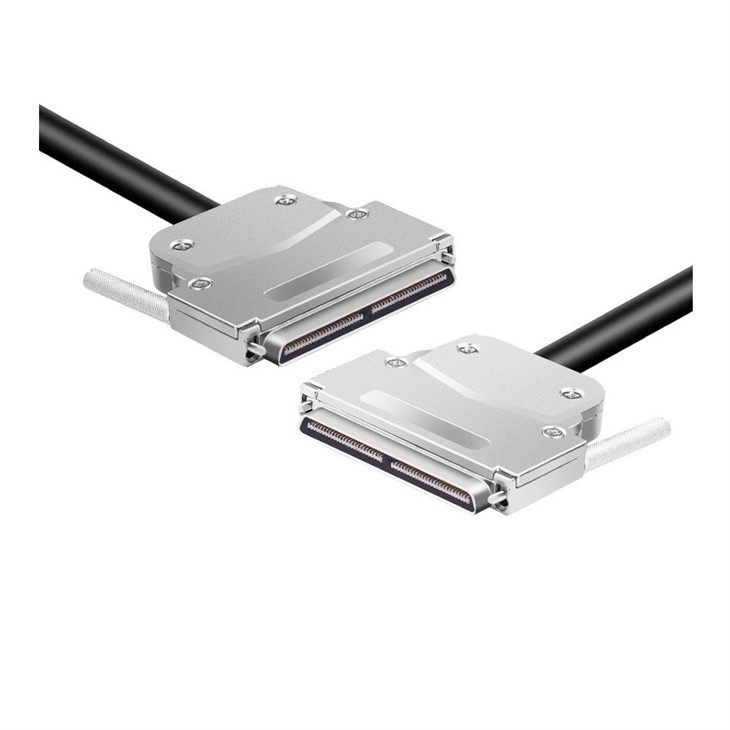
When sourcing 100 Pin SCSI cables, it's crucial to choose a reputable supplier that adheres to strict quality control standards. At our company, we use high - quality materials and advanced manufacturing techniques to ensure that each cable meets or exceeds industry standards. Our 100 Pin Male to Male SCSI Cable is rigorously tested to guarantee optimal performance and reliability.
Physical Damage
Physical damage to the cable can also cause data transfer errors. Bending the cable too sharply, kinking it, or subjecting it to excessive pulling can damage the internal conductors or insulation. Over time, these damages can worsen, leading to intermittent or permanent data transfer issues.
Inspecting the cable regularly for signs of damage, such as frayed wires or cracked insulation, is essential. If any damage is detected, the cable should be replaced immediately. Our 0.80mm picth HDRA 100 Pin To VHDCI 100 Pin Servo SCSI Cable is designed with durable materials to withstand normal wear and tear, but it's still important to handle it with care.
Environmental Factors
The environment in which the SCSI cable operates can have a significant impact on data transfer. Several environmental factors can contribute to errors.
Electromagnetic Interference (EMI)
EMI is a common problem in many industrial and office settings. Sources of EMI include power lines, motors, and other electronic devices. When a 100 Pin SCSI cable is exposed to EMI, the electromagnetic fields can induce unwanted electrical currents in the conductors, which can corrupt the data signals.
To mitigate the effects of EMI, shielded cables are often used. Our cables are equipped with high - quality shielding that helps to block out external electromagnetic fields. However, it's also important to route the cable away from potential sources of interference and to use proper grounding techniques.

Temperature and Humidity
Extreme temperatures and high humidity levels can also affect the performance of the SCSI cable. High temperatures can cause the insulation to degrade, leading to increased electrical resistance and signal attenuation. On the other hand, low temperatures can make the cable more brittle, increasing the risk of physical damage.
Humidity can cause corrosion of the connectors and conductors, which can disrupt the electrical connection. It's important to operate the cable within the recommended temperature and humidity ranges. If the environment is particularly harsh, additional protective measures, such as enclosures or climate - controlled cabinets, may be necessary.
Connector Issues
The connectors at the ends of the 100 Pin SCSI cable play a crucial role in data transfer. Any problems with the connectors can lead to errors.
Loose or Improperly Connected Connectors
A loose or improperly connected connector can result in a poor electrical connection, which can cause signal loss or intermittent data transfer. When installing the cable, it's important to ensure that the connectors are firmly seated and that all the pins are properly aligned.
Regularly checking the connectors for tightness and cleanliness is also important. Dust, dirt, and oxidation can accumulate on the connectors over time, which can interfere with the electrical contact. Cleaning the connectors with a suitable contact cleaner can help to maintain a good connection.
Connector Damage
Physical damage to the connectors, such as bent pins or cracked housings, can also cause data transfer errors. Bent pins can prevent proper electrical contact, while cracked housings can expose the internal components to environmental factors. If a connector is damaged, it should be replaced. Our MDR100 Pin To HPCN 100 Pin SCSI Cable comes with high - quality connectors that are designed to be durable and reliable.
System Compatibility
Ensuring that the 100 Pin SCSI cable is compatible with the connected devices is essential for proper data transfer.
Device Configuration
Incorrect device configuration can lead to data transfer errors. For example, if the SCSI devices are not properly terminated, it can cause signal reflections, which can corrupt the data. Each SCSI device should be configured with the correct termination settings according to the system requirements.
It's also important to ensure that the SCSI ID settings on the devices are unique. If two devices have the same SCSI ID, it can cause conflicts and data transfer issues.
Cable Length
The length of the SCSI cable can also affect data transfer. As the cable length increases, the signal attenuation and the risk of interference also increase. It's important to use the appropriate cable length for the specific application. If a longer cable is required, adding signal boosters or repeaters may be necessary to maintain the signal strength.
Conclusion
Data transfer errors with a 100 Pin SCSI cable can be caused by a variety of factors, including cable quality, environmental conditions, connector issues, and system compatibility. By understanding these possible causes, you can take proactive steps to prevent and address data transfer problems.
At our company, we are committed to providing high - quality 100 Pin SCSI cables that are reliable and perform well in a variety of environments. If you're experiencing data transfer errors or are in need of a new SCSI cable, we invite you to contact us for a consultation. Our team of experts can help you choose the right cable for your specific needs and provide guidance on installation and maintenance.
References
- "SCSI Interface Technology Guide" - A comprehensive guide on SCSI technology and its components.
- "Electromagnetic Compatibility Engineering" - A resource on understanding and mitigating electromagnetic interference.
- "Cable Manufacturing and Testing Standards" - Industry standards for cable manufacturing and quality control.