




In the realm of data transmission and connectivity, serial cables and coaxial cables stand out as two distinct types of cables, each with its own set of characteristics, applications, and advantages. As a seasoned serial cable supplier, I've witnessed firsthand the unique roles these cables play in various industries. This blog aims to delve into the differences between serial cables and coaxial cables, shedding light on their construction, functionality, and typical use cases.
Construction and Design
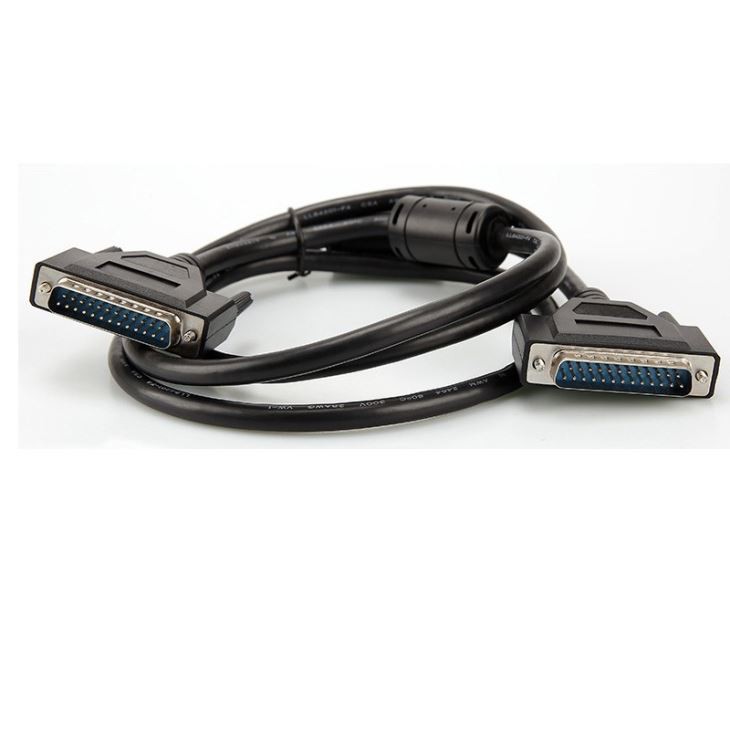
Let's start by examining the physical construction of serial cables and coaxial cables. Serial cables are designed to transmit data one bit at a time over a single communication line. They typically consist of multiple insulated copper wires bundled together within a protective outer sheath. The number of wires can vary depending on the specific type of serial cable and its intended use. For example, the widely used RS-232 serial cable often contains 9 or 25 pins, each serving a specific function in the data transmission process.

On the other hand, coaxial cables have a more complex and specialized construction. They feature a central conductor, usually made of copper, surrounded by an insulating layer. This insulating layer is then encased in a metallic shield, which helps to protect the signal from external electromagnetic interference (EMI). Finally, an outer protective jacket covers the entire assembly. The coaxial design allows for the efficient transmission of high-frequency signals, making it suitable for a wide range of applications, including television broadcasting, internet connectivity, and telecommunications.
Data Transmission
One of the most significant differences between serial cables and coaxial cables lies in their data transmission capabilities. Serial cables are primarily used for serial data transmission, where data is sent sequentially, one bit after another. This method of transmission is well-suited for applications that require a relatively low data transfer rate and long-distance communication. For instance, serial cables are commonly used in industrial automation, where they are used to connect devices such as programmable logic controllers (PLCs), sensors, and actuators.
Coaxial cables, on the other hand, are capable of transmitting data at much higher speeds and over longer distances. Their design allows for the efficient transmission of high-frequency signals, making them ideal for applications that require high-bandwidth data transfer. For example, coaxial cables are widely used in cable television systems to deliver high-definition video and audio signals to homes and businesses. They are also commonly used in internet service providers' networks to provide high-speed broadband connectivity.
Signal Integrity and Interference
Signal integrity is a crucial factor in any data transmission system. Serial cables are more susceptible to signal degradation and interference compared to coaxial cables. The bundled construction of serial cables can cause crosstalk, which occurs when the signals from adjacent wires interfere with each other. Additionally, serial cables are more vulnerable to external electromagnetic interference (EMI), which can disrupt the data transmission process and lead to errors.
Coaxial cables, on the other hand, are designed to minimize signal interference. The metallic shield surrounding the central conductor acts as a barrier, protecting the signal from external EMI. This makes coaxial cables more reliable and suitable for applications that require high signal integrity, such as in the telecommunications and broadcasting industries.
Applications
The differences in construction and data transmission capabilities of serial cables and coaxial cables make them suitable for different applications. Serial cables are commonly used in a variety of industries, including industrial automation, robotics, and telecommunications. They are often used to connect devices such as computers, printers, and modems. For example, the D-sub 25 Pos DB25 Male To Male Serial Modem Cable is a popular choice for connecting modems to computers for data communication. Another example is the DB9 Female to RJ45 Male Console Cable, which is used to connect network devices to a console for configuration and management.
Coaxial cables, on the other hand, are widely used in the telecommunications, broadcasting, and internet service industries. They are commonly used to transmit television signals, internet data, and radio frequency (RF) signals. For example, coaxial cables are used to connect cable television boxes to televisions, and they are also used in the backbone networks of internet service providers to provide high-speed broadband connectivity.
Cost and Availability
When it comes to cost and availability, serial cables are generally more affordable and widely available compared to coaxial cables. Serial cables are relatively simple in design and construction, which makes them less expensive to manufacture. They are also readily available in a variety of lengths and configurations, making them easy to source for different applications.
Coaxial cables, on the other hand, are more expensive due to their more complex construction and specialized design. They are also less commonly available in some areas, especially for non-standard lengths and configurations. However, the cost of coaxial cables has been decreasing in recent years, making them more accessible for a wider range of applications.
Conclusion
In conclusion, serial cables and coaxial cables are two distinct types of cables with different characteristics, applications, and advantages. Serial cables are well-suited for low-speed, long-distance data transmission and are commonly used in industrial automation and telecommunications applications. Coaxial cables, on the other hand, are capable of high-speed data transmission and are widely used in the broadcasting, telecommunications, and internet service industries.
As a serial cable supplier, I understand the importance of choosing the right cable for your specific application. Whether you need a reliable serial cable for your industrial automation system or a high-performance coaxial cable for your telecommunications network, I can provide you with the products and expertise you need. If you have any questions or would like to discuss your cable requirements, please don't hesitate to contact me. I look forward to working with you to find the best cable solutions for your needs.
References
- Grob, Bernard. "Introduction to Electronics." McGraw-Hill Education, 2007.
- Hayes, John P. "Computer Architecture and Organization." McGraw-Hill Education, 2012.
- Stallings, William. "Data and Computer Communications." Pearson, 2018.