




Hey there! As a serial cable supplier, I've been dealing with all sorts of serial cables day in and day out. And one question that often pops up is, "What is the flexibility of a serial cable?" Well, let's dive right into it.
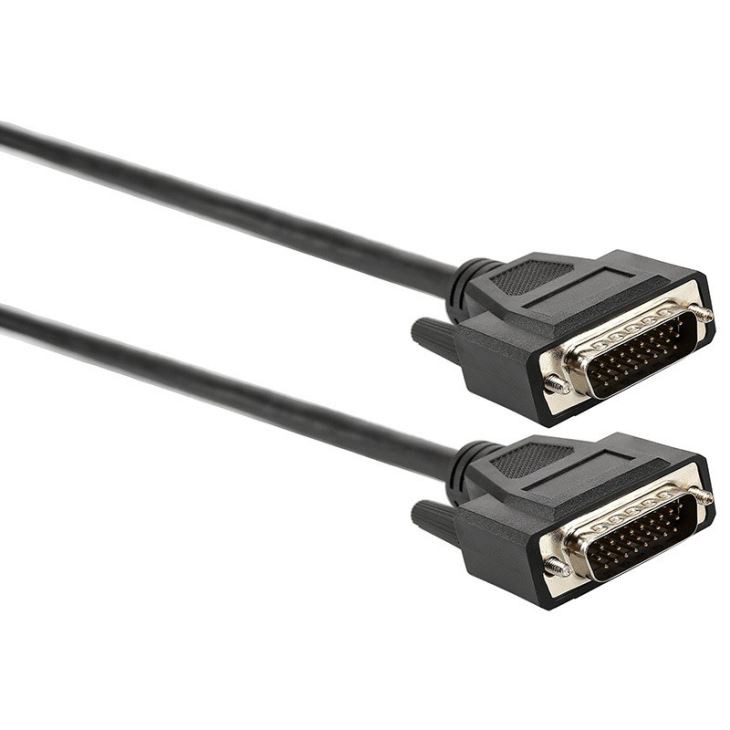

First off, flexibility in a serial cable refers to how easily it can be bent, twisted, and maneuvered without causing damage to the internal wires or affecting its performance. It's a crucial factor, especially in environments where the cable needs to be routed around obstacles or in tight spaces.
There are a few key aspects that contribute to the flexibility of a serial cable. One of the main ones is the type of insulation used. Different materials have different levels of flexibility. For example, cables with a PVC (Polyvinyl Chloride) insulation are generally quite flexible. PVC is a common choice because it's not only flexible but also relatively inexpensive and offers good protection against abrasion and moisture. On the other hand, cables with a Teflon insulation are more rigid but have other advantages like high temperature resistance and low friction.
The gauge of the wires inside the cable also plays a role. Thinner wires tend to make the cable more flexible. However, you can't just go for the thinnest wires possible because they need to be able to carry the necessary electrical current without overheating. It's a bit of a balancing act between flexibility and functionality.
Another factor is the construction of the cable. Some serial cables are made with multiple smaller conductors twisted together. This type of construction can enhance flexibility while still maintaining good electrical performance. It also helps to reduce electromagnetic interference (EMI), which is important for accurate data transmission.
Now, let's talk about some of the real - world applications where the flexibility of a serial cable matters. In industrial settings, for instance, cables often need to be routed through complex machinery. A flexible cable can be easily threaded through small openings and around moving parts without getting caught or damaged. This is crucial for maintaining the reliability of the equipment.
In the world of computer peripherals, flexibility is also a big deal. When you're setting up a desktop computer with multiple serial devices like printers, scanners, or external hard drives, you want a cable that can be neatly arranged behind the computer without getting all tangled up. A flexible cable makes this much easier.
As a serial cable supplier, we offer a wide range of products with different levels of flexibility to meet various customer needs. For example, our DB9 F to 2 Ports DB9 M Splitter Cable is designed with flexibility in mind. It allows you to connect two devices to a single serial port, and its flexible design makes it easy to install and manage.
Our 3 Rows DB26 Male To HDB26 Male Parallel Cable is another great option. It's suitable for applications where you need to transfer data between two devices with parallel interfaces. The cable's flexibility ensures that it can be routed smoothly, even in tight spaces.
And then there's our DB15 Male to Male Serial Cable. This cable is commonly used in networking and computer systems. Its flexibility makes it ideal for connecting devices in different locations within a network, whether it's in an office or a data center.
When choosing a serial cable, it's important to consider the specific requirements of your application. If you need a cable for a high - vibration environment, you might want to look for one with extra - durable insulation and a more robust construction. On the other hand, if you're just using it for a simple home setup, a standard flexible cable should do the trick.
We also understand that price is a factor for many customers. That's why we offer a range of options at different price points. You don't have to break the bank to get a high - quality, flexible serial cable.
If you're in the market for a serial cable and have questions about flexibility or any other aspect, don't hesitate to reach out. We're here to help you find the perfect cable for your needs. Whether you're a small business owner looking to upgrade your equipment or a DIY enthusiast working on a personal project, we've got you covered.
In conclusion, the flexibility of a serial cable is an important characteristic that can greatly impact its usability and performance. By understanding the factors that contribute to flexibility and choosing the right cable for your application, you can ensure a smooth and reliable connection. So, if you're thinking about purchasing a serial cable, take a moment to consider how much flexibility you really need. And remember, we're just a message away if you need any advice or want to start a procurement discussion.
References:
- Industry standards and guidelines for serial cable manufacturing
- Technical specifications of various serial cable products