


As a supplier from a Serial Cable factory, I've delved deep into the intricacies of pricing strategies. In the highly competitive market of serial cables, setting the right price is not just about covering costs and making a profit; it's a strategic decision that can significantly impact market share, brand image, and long - term business success.
Cost - based Pricing
The most fundamental approach to pricing is cost - based pricing. This method involves calculating all the costs associated with producing and distributing serial cables and then adding a desired profit margin.
First, we have direct costs. These include the raw materials used in manufacturing serial cables. For example, the copper wires, insulation materials, and connectors are all essential components. The quality of these materials can vary widely, and higher - quality materials usually come with a higher price tag. For instance, using high - purity copper can improve the conductivity and signal transmission quality of the cable, but it also increases the cost. Labor costs are another significant direct cost. Skilled workers are required to assemble and test the cables to ensure they meet the required standards. The time and effort spent on these processes contribute to the overall cost.
In addition to direct costs, there are indirect costs. Factory overheads such as rent, utilities, and equipment depreciation need to be allocated to each cable produced. Marketing and distribution costs also play a role. Promoting our products through various channels, participating in trade shows, and shipping the cables to customers all incur expenses.
Let's say the total cost of producing a DB9 Male to Female Cable with Mounting Screw is $10, and we aim for a 30% profit margin. Using cost - based pricing, we would set the price at $13. This approach provides a clear and straightforward way to ensure that all costs are covered and a profit is made. However, it may not take into account market demand and competitor pricing.
Market - based Pricing
Market - based pricing is centered around the current market conditions. We need to analyze what our competitors are charging for similar products. If most of our competitors are selling a DB 50 Pin Male To 50 Pin Female Cable at around $20, we have a few options.

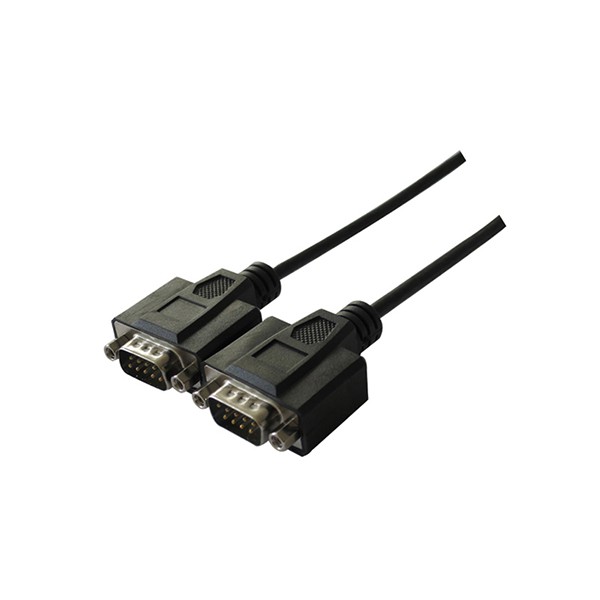
If our cable has similar features and quality, we might choose to price it close to the market average. This strategy allows us to be competitive without sacrificing too much profit. However, if our cable has unique selling points, such as better durability, higher signal quality, or additional features, we can price it higher. On the other hand, if we want to quickly gain market share, we could price our product slightly lower than the competition.
We also need to consider the demand elasticity of the market. If the demand for serial cables is relatively inelastic, meaning that customers are less sensitive to price changes, we can set a higher price. For example, in industries where reliable serial communication is crucial, such as industrial automation or medical equipment, customers may be willing to pay more for a high - quality cable. Conversely, in a more price - sensitive market, such as consumer electronics, a lower price may be necessary to attract customers.
Value - based Pricing
Value - based pricing focuses on the perceived value of the product to the customer. Instead of just looking at costs or market prices, we consider how much the customer is willing to pay based on the benefits they receive from using our serial cables.
For example, a DB9 Male to Male Cable with Screw Nut that is used in a critical communication system in a data center has a much higher value than a cable used for a simple home - based device. The data center requires a cable that can provide stable and high - speed data transmission to ensure the smooth operation of the entire system. Any downtime or data loss can result in significant financial losses for the data center. Therefore, the customer is likely to be willing to pay a premium for a cable that can guarantee high performance and reliability.
We can enhance the perceived value of our cables through various means. Offering excellent customer service, such as fast response times to technical inquiries and reliable after - sales support, can increase the value in the eyes of the customer. Providing warranties and guarantees also gives customers more confidence in our products.
Pricing for Different Customer Segments
Not all customers have the same needs and price sensitivities. We can segment our customers based on factors such as industry, usage volume, and brand loyalty.
For large - volume customers, such as major manufacturers or system integrators, we can offer volume discounts. These customers purchase a large number of cables regularly, and by offering a lower price per unit, we can encourage them to continue buying from us. This strategy can also help us build long - term relationships with these important customers.
For customers in high - end industries, such as aerospace or defense, we can focus on providing high - quality, customized cables at a premium price. These industries have strict requirements for product quality and performance, and they are often willing to pay more for cables that meet their specific needs.
On the other hand, for small - scale customers or those with budget constraints, we can offer more basic, cost - effective cable options. This allows us to capture a wider market share and serve different types of customers.
Dynamic Pricing
In today's fast - changing market environment, dynamic pricing can be an effective strategy. We can adjust the prices of our serial cables based on real - time market conditions, such as changes in raw material prices, competitor pricing, and demand fluctuations.
For example, if the price of copper suddenly increases, we may need to raise the prices of our cables to maintain our profit margins. Similarly, if a competitor launches a new promotion, we can respond by adjusting our prices accordingly. By using dynamic pricing, we can be more flexible and competitive in the market.
Conclusion
In conclusion, there is no one - size - fits - all pricing strategy for a serial cable factory. A combination of cost - based, market - based, value - based pricing, along with segment - specific and dynamic pricing strategies, is often the most effective approach. By carefully considering all these factors, we can set prices that not only cover our costs and generate profits but also meet the needs of different customers and remain competitive in the market.
If you are interested in our serial cables and want to discuss procurement details, please feel free to reach out. We are eager to have in - depth discussions with you to find the best solutions for your specific requirements.
References
- Kotler, P., & Armstrong, G. (2010). Principles of Marketing. Pearson Prentice Hall.
- Nagle, T. T., & Holden, R. K. (2002). The Strategy and Tactics of Pricing: A Guide to Growing More Profitably. Prentice Hall.