


What is the Temperature Range for a Bulk Serial Cable to Work Properly?
As a supplier of bulk serial cables, I often receive inquiries from customers about the optimal temperature range for these cables to function correctly. Understanding this range is crucial for ensuring the reliability and longevity of the cables, especially in various industrial and commercial applications.
The Basics of Serial Cables
Serial cables are used to transmit data between devices in a sequential manner. They are commonly found in a wide range of applications, from computer peripherals to industrial machinery. The performance of a serial cable can be significantly affected by environmental factors, with temperature being one of the most critical.
Temperature and Cable Performance
Temperature can impact a serial cable in several ways. At extremely low temperatures, the insulation material of the cable can become brittle, which may lead to cracking and ultimately expose the internal conductors. This can result in signal interference, data loss, and even short circuits. On the other hand, high temperatures can cause the insulation to soften and degrade over time. This can also lead to signal degradation and an increased risk of electrical failures.
Typical Temperature Ranges
The temperature range for a bulk serial cable to work properly typically falls between -20°C to 60°C (-4°F to 140°F). However, this can vary depending on the specific type of cable and its construction. For example, cables with high - quality insulation materials may have a wider temperature tolerance.

- Low - Temperature Performance: Cables designed for low - temperature environments are often made with special insulation materials that remain flexible even in cold conditions. These materials can withstand temperatures as low as - 40°C (-40°F) without significant degradation. For applications in cold storage facilities, outdoor winter installations, or high - altitude locations, choosing a cable with a lower temperature rating is essential.
- High - Temperature Performance: In high - temperature environments such as industrial ovens, near heat - generating equipment, or in tropical climates, cables need to be able to withstand elevated temperatures. Some cables are engineered with heat - resistant insulation materials that can handle temperatures up to 80°C (176°F) or even higher.
Impact of Temperature on Signal Transmission
Temperature can also affect the electrical properties of the cable, which in turn impacts signal transmission. As the temperature changes, the resistance of the conductors can vary. This can lead to changes in the signal strength and integrity. For example, an increase in temperature can cause an increase in resistance, which may result in a weaker signal at the receiving end. This can lead to data errors, slower transmission speeds, and reduced overall performance.
Choosing the Right Cable for Your Temperature Environment
When selecting a bulk serial cable, it is important to consider the temperature conditions of the intended application. If you are operating in a cold environment, look for cables with a low - temperature rating. For high - temperature applications, choose cables with heat - resistant insulation.
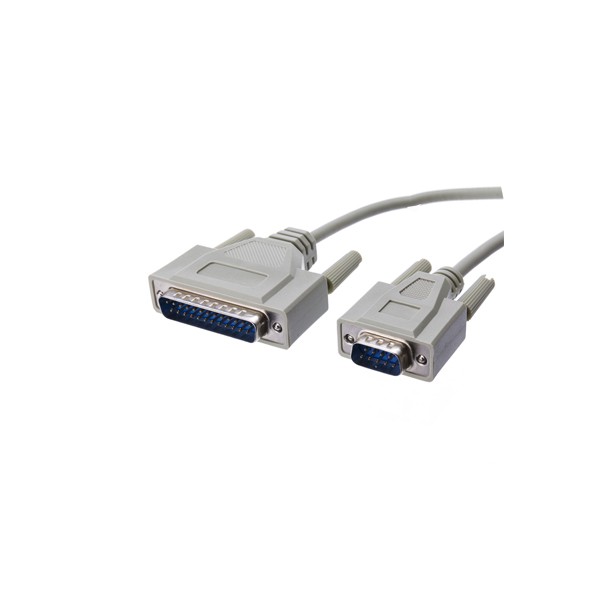
We offer a wide range of serial cables suitable for different temperature environments. For instance, our DB9 Male to DB25 Male Serial Cable is designed to provide reliable performance within the standard temperature range. It is suitable for general - purpose computer and industrial applications.
Our DB25 Female To Female RS232 Serial Modem Cable is another option that offers good temperature stability. It is commonly used in data communication between modems and other serial devices.
For applications that require power transmission along with data, our DB26 Female To HDB26 Female Power Cable is a great choice. It is built to withstand a wide range of temperatures while ensuring efficient power and data transfer.
Testing and Certification
To ensure the quality and performance of our bulk serial cables within the specified temperature range, we conduct rigorous testing. Our cables are tested in temperature - controlled chambers to simulate different environmental conditions. We also follow industry standards and obtain relevant certifications to guarantee that our products meet the highest quality and safety requirements.
Importance of Temperature Monitoring
In some critical applications, it may be necessary to monitor the temperature of the cable environment. This can help in detecting potential issues early and taking preventive measures. Temperature sensors can be installed near the cables to continuously monitor the temperature. If the temperature approaches the upper or lower limit of the cable's operating range, appropriate actions such as adjusting the environment or replacing the cable can be taken.
Conclusion
In conclusion, understanding the temperature range for a bulk serial cable to work properly is essential for ensuring reliable data transmission and the longevity of the cable. The typical temperature range is - 20°C to 60°C, but it can vary depending on the cable type and construction. By choosing the right cable for your specific temperature environment and monitoring the temperature, you can minimize the risk of cable failures and ensure smooth operation of your devices.
If you are in the market for high - quality bulk serial cables that can perform well in your specific temperature conditions, we are here to help. Our team of experts can assist you in selecting the most suitable cable for your application. Contact us to start a procurement discussion and find the perfect solution for your needs.
References
- IEEE Standards for Electrical and Electronic Engineering.
- Manufacturer's specifications for serial cable insulation materials.