


In the world of electronics and network technology, the question of whether a 100 Pin SCSI Cable can be used for a radio transceiver is an interesting one that combines the technical specifications of different devices. As a supplier of 100 Pin SCSI Cables, I've encountered various inquiries about the versatility and potential alternative uses of these cables. In this blog, I'll explore the technical aspects to determine if such a cable can serve the purpose of a radio transceiver connection.
Understanding the 100 Pin SCSI Cable
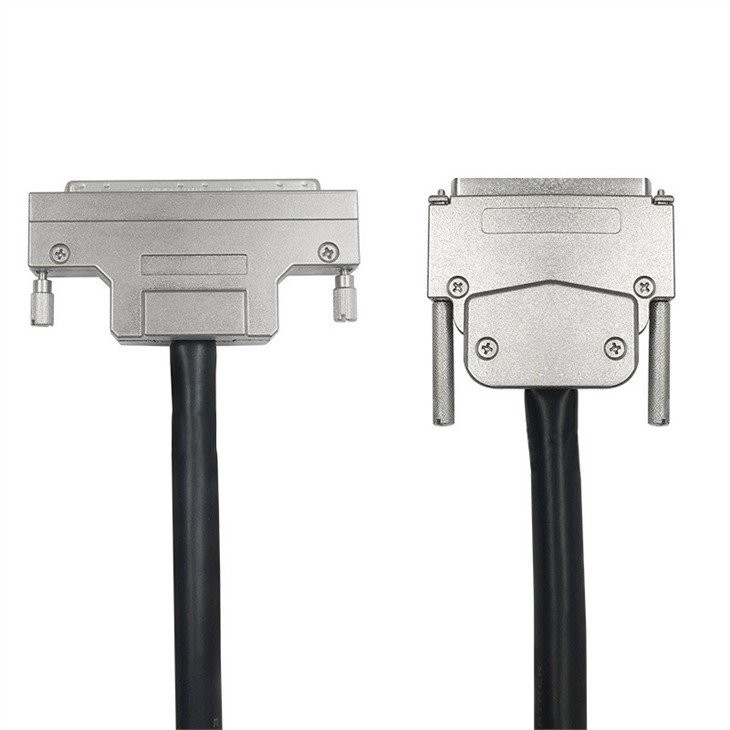
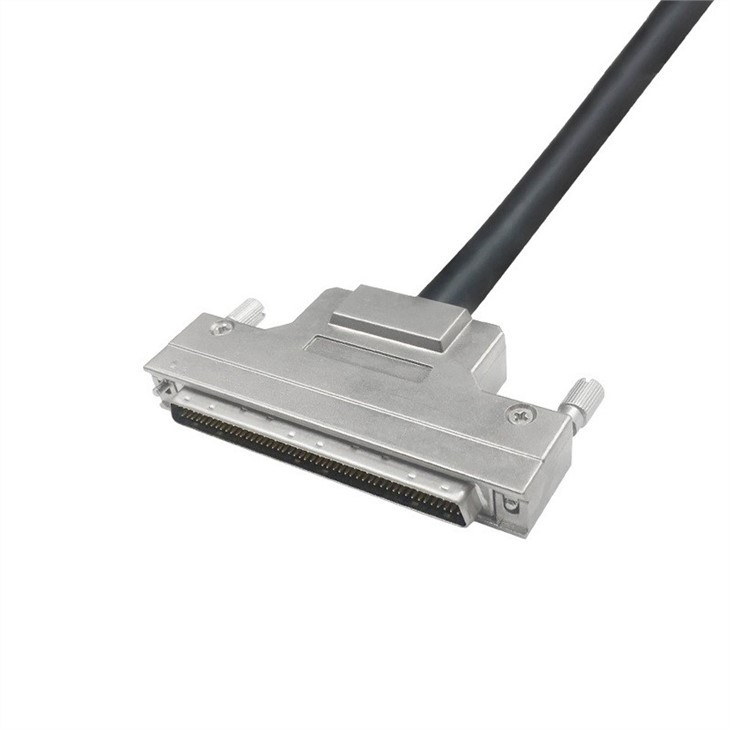
A 100 Pin SCSI (Small Computer System Interface) cable is primarily designed for high - speed data transfer between computer components and peripheral devices. SCSI technology has been around for decades and is known for its reliability and high data throughput. The 100 - pin version offers a large number of conductors, which allows for multiple data signals to be transmitted simultaneously.
We offer a range of 100 Pin SCSI Cables, such as the MC 100 Pin SCSI Cable Assembly, which is engineered for precise data transmission in industrial and enterprise settings. Another product, the High Density 100 Pin SCSI Cable Assembly, is designed to meet the needs of high - density data transfer requirements. And the 0.80mm pitch HDRA 100 pin to HPDB 100 pin Motion Controller Adapter Cable is specifically tailored for motion controller applications.
The Basics of Radio Transceivers
A radio transceiver is a device that can both transmit and receive radio signals. It operates in different frequency bands, depending on its intended use, such as in amateur radio, commercial radio, or wireless communication systems. Radio transceivers require specific electrical characteristics in their cables, including impedance matching, low signal loss, and proper shielding to minimize interference.
Compatibility Analysis
Electrical Characteristics
One of the primary concerns when considering using a 100 Pin SCSI Cable for a radio transceiver is the electrical impedance. SCSI cables are typically designed to have an impedance of around 100 ohms, which is optimized for digital data transmission. Radio transceivers, on the other hand, often require cables with an impedance of 50 ohms or 75 ohms, depending on the application. Mismatched impedance can lead to significant signal reflection, which reduces the efficiency of the radio transceiver and can cause distortion in the transmitted and received signals.
Signal Frequency
SCSI cables are designed to handle high - speed digital signals, which are typically in the range of several megahertz to gigahertz. Radio transceivers operate at a wide range of frequencies, from kilohertz in the case of some long - wave radio applications to gigahertz for modern wireless communication systems. The frequency response of a SCSI cable may not be suitable for the specific frequency range of a radio transceiver. For example, a SCSI cable may not be able to effectively transmit or receive low - frequency radio signals due to its construction and electrical properties.
Shielding and Interference
Radio transceivers are highly sensitive to electromagnetic interference (EMI). SCSI cables are shielded to protect the digital signals from external interference, but the shielding design may not be sufficient for radio frequency applications. Radio waves can easily penetrate the shielding of a SCSI cable if it is not designed for the specific radio frequency range, leading to interference and degraded performance of the radio transceiver.
Potential Adaptations
While the direct use of a 100 Pin SCSI Cable for a radio transceiver is not recommended due to the above - mentioned incompatibilities, there may be some potential adaptations.
Impedance Matching
It is possible to use impedance - matching devices, such as baluns or impedance - matching transformers, to adjust the impedance of the SCSI cable to match that of the radio transceiver. However, this requires a good understanding of electrical engineering principles and may introduce additional signal loss and complexity.
Frequency Adaptation
In some cases, if the frequency range of the radio transceiver is within the frequency response capabilities of the SCSI cable, and appropriate filtering and amplification circuits are added, it may be possible to use the cable. But this is a very specific and technical solution that is not practical for most users.
Real - World Considerations
In real - world scenarios, using a 100 Pin SCSI Cable for a radio transceiver is not a common practice. Radio transceivers usually come with their own dedicated cables that are specifically designed for their electrical and frequency requirements. These cables are tested and certified to ensure optimal performance and compliance with regulatory standards.
Conclusion
In conclusion, while a 100 Pin SCSI Cable is a high - quality cable designed for specific data - transfer applications, it is not suitable for direct use with a radio transceiver due to differences in electrical impedance, signal frequency, and shielding requirements. However, with proper adaptations and technical expertise, there may be some limited cases where it could potentially be used.
If you have further questions about our 100 Pin SCSI Cables or need assistance in selecting the right cable for your specific application, we are here to help. We welcome you to contact us for more information and to discuss your procurement needs. Our team of experts can provide detailed technical advice and support to ensure you get the best solution for your project.
References
- "SCSI Technology Handbook" by various authors, a comprehensive guide on SCSI technology and its applications.
- "Radio Frequency Engineering" textbooks, which cover the principles of radio transceivers and cable requirements.
- Manufacturer's specifications for 100 Pin SCSI Cables and radio transceivers.