




In the realm of data storage and computing, the Small Computer System Interface (SCSI) has long been a cornerstone technology. SCSI cables come in various pin configurations, and one such configuration is the 14 - pin SCSI cable. As a supplier of 14 - pin SCSI cables, I often get asked the question: "Can a 14 - pin SCSI cable be used for storage devices?" In this blog post, I'll delve into the details to provide a comprehensive answer.
Understanding SCSI and 14 - Pin Cables
SCSI is a set of standards for physically connecting and transferring data between computers and peripheral devices. It offers high - speed data transfer rates, multiple device attachment capabilities, and reliability, which made it a popular choice for enterprise - level storage systems, servers, and high - end workstations.
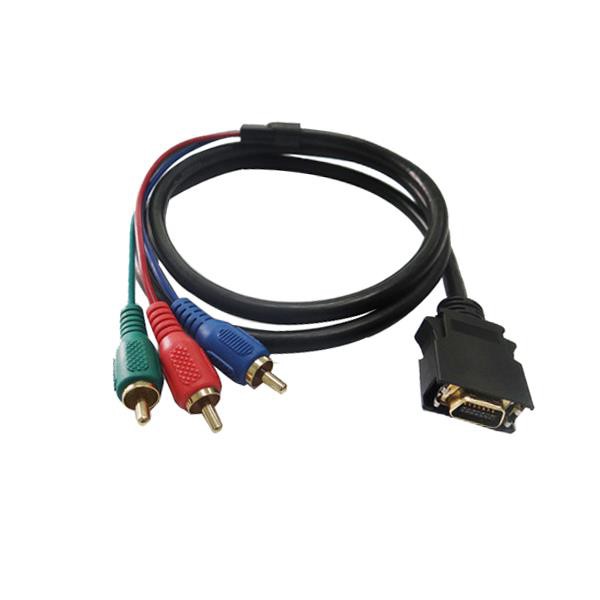

A 14 - pin SCSI cable is a specific type of SCSI cable with a 14 - pin connector. These cables are designed to transmit data, power, and control signals between SCSI - enabled devices. The pins on the cable are carefully arranged to ensure proper communication and functionality. The 14 - pin configuration is commonly used in certain types of SCSI devices, especially those that have lower data transfer requirements or are part of a more compact system.
Compatibility with Storage Devices
The answer to whether a 14 - pin SCSI cable can be used for storage devices is both yes and no, depending on several factors.
Yes: When Compatibility Exists
- Older SCSI Storage Devices: Many older SCSI hard drives, tape drives, and optical drives were designed to work with 14 - pin SCSI cables. These devices typically operate at lower data transfer rates compared to modern storage technologies. For example, some early SCSI hard drives with a SCSI - 1 or SCSI - 2 interface could be connected using a 14 - pin cable. These drives were commonly used in older servers and workstations, and the 14 - pin cable provided a reliable connection for data transfer and device control.
- Specific SCSI Standards: There are specific SCSI standards that support the use of 14 - pin cables. For instance, some SCSI - based removable storage systems, such as certain SCSI - connected tape libraries, were designed to use 14 - pin cables. These systems were often used for data backup and archival purposes in enterprise environments. The 14 - pin cable was sufficient to meet the data transfer and control requirements of these devices.
No: When Compatibility Issues Arise
- Modern High - Speed Storage Devices: Modern storage devices, such as high - performance SSDs and high - capacity hard drives, typically require higher data transfer rates than what a 14 - pin SCSI cable can provide. These devices often use more advanced SCSI interfaces like Ultra320 SCSI or SAS (Serial Attached SCSI), which require different cable configurations with more pins to support the increased data throughput. For example, a modern enterprise - grade SSD may need a 68 - pin or even a 80 - pin SCSI cable to achieve its full data transfer potential.
- SCSI Protocol Mismatch: If the storage device uses a different SCSI protocol than what the 14 - pin cable is designed for, there will be compatibility issues. For instance, if a device uses a SCSI protocol that requires specific control signals or data paths that are not available on a 14 - pin cable, the device will not function properly.
Advantages of Using 14 - Pin SCSI Cables for Storage Devices
- Cost - Effective: 14 - pin SCSI cables are generally less expensive than their higher - pin counterparts. This makes them a cost - effective solution for applications where high - speed data transfer is not a critical requirement. For small businesses or home users with older SCSI - based storage systems, using a 14 - pin cable can save money without sacrificing too much functionality.
- Compactness: The 14 - pin cables are more compact compared to cables with a larger number of pins. This can be an advantage in systems where space is limited, such as in some embedded systems or small - form - factor servers. The smaller size of the cable also makes it easier to manage and route within the system.
- Simplicity: The 14 - pin SCSI cable has a relatively simple design, which makes it easier to install and troubleshoot. There are fewer pins to deal with, reducing the chances of incorrect connections or pin - related issues.
Our 14 - Pin SCSI Cable Offerings
As a supplier of 14 - pin SCSI cables, we offer a wide range of products to meet different customer needs.
- MDR 14 Pin Cable Assembly: This cable assembly is designed for applications that require a reliable and high - quality 14 - pin SCSI connection. It is made with high - grade materials to ensure long - term durability and stable performance.
- 14 MDR Pin Cable Assembly: Our 14 MDR pin cable assembly is another popular option. It is suitable for a variety of SCSI - enabled storage devices and offers excellent signal transmission capabilities.
- MDR 14 Pin to 3 Ports RCA Cable: This unique cable allows for the connection of a 14 - pin SCSI device to three RCA ports. It is a great solution for applications that require audio or video output from a SCSI - connected device.
Contact Us for Procurement
If you are in the market for 14 - pin SCSI cables for your storage devices or other applications, we are here to help. Our team of experts can assist you in choosing the right cable for your specific needs. Whether you have questions about compatibility, installation, or performance, we have the knowledge and experience to provide you with the best solutions.
References
- "SCSI: The Complete Reference" by George Crump.
- "Understanding SCSI Technology" - A technical white paper from a leading SCSI technology research institute.