




As a seasoned supplier of serial cables, I've encountered numerous challenges and opportunities when it comes to adapting serial cables to non - standard devices. In this blog post, I'll share my insights and experiences on how to tackle this complex yet rewarding task.
Understanding the Basics of Serial Cables and Non - Standard Devices
Before delving into the adaptation process, it's crucial to have a solid understanding of serial cables and non - standard devices. Serial cables are used to transmit data one bit at a time over a communication channel. They come in various types, such as RS - 232, RS - 422, and RS - 485, each with its own set of characteristics and specifications.
Non - standard devices, on the other hand, are those that do not conform to the typical industry standards for serial communication. These devices may have unique pin configurations, voltage levels, or data transfer rates. Adapting a serial cable to such devices requires a combination of technical knowledge, problem - solving skills, and access to the right tools and components.
Assessing the Device Requirements
The first step in adapting a serial cable to a non - standard device is to thoroughly assess the device's requirements. This involves gathering information about the device's pinout, voltage levels, data transfer rate, and communication protocol. You can obtain this information from the device's user manual, technical documentation, or by contacting the device manufacturer.
For example, if the non - standard device has a custom pin configuration, you'll need to identify which pins are used for data transmission, reception, ground, and other functions. This information will be crucial in determining the appropriate cable and adapter configuration.
Selecting the Right Serial Cable
Once you have a clear understanding of the device's requirements, the next step is to select the right serial cable. As a serial cable supplier, I offer a wide range of cables to meet different needs. For instance, the 44 Pin (HD44) Male To Male DB44 Cable is suitable for applications that require a high - density connection. This cable provides a reliable way to transfer data between two devices with 44 - pin connectors.
Another option is the 2.54mm 4 Pin Header to DB9 Female Serial Cable. This cable is ideal for devices with a 2.54mm 4 - pin header that need to be connected to a standard DB9 female serial port. It offers flexibility and compatibility for a variety of non - standard devices.
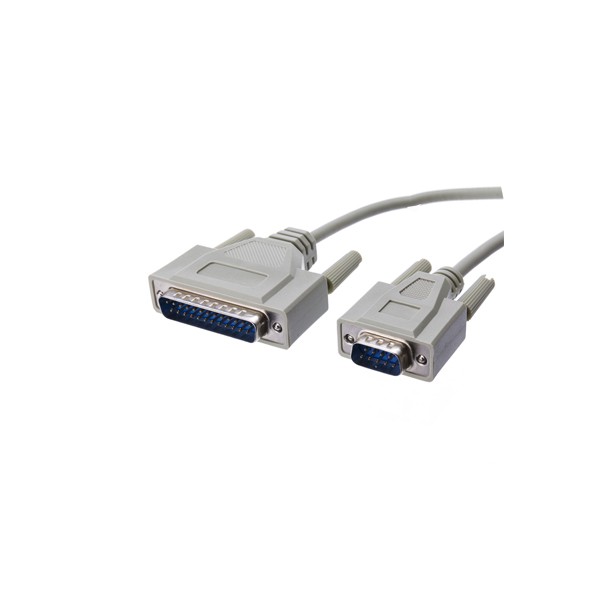
If you need to connect a device with a DB9 male connector to a device with a DB25 male connector, the DB9 Male to DB25 Male Serial Cable is a great choice. This cable allows for seamless communication between two devices with different connector types.
Using Adapters and Converters
In many cases, you may need to use adapters and converters to bridge the gap between the serial cable and the non - standard device. Adapters can change the physical connector type, while converters can modify the electrical signals to match the device's requirements.
For example, if the non - standard device has a different voltage level than the serial cable, you can use a voltage converter to ensure proper communication. Similarly, if the device uses a different communication protocol, you may need a protocol converter to translate the signals.
When selecting adapters and converters, it's important to choose high - quality products that are compatible with your serial cable and the non - standard device. Poor - quality adapters can cause signal degradation, data loss, or other issues that can affect the performance of the system.
Testing and Troubleshooting
After connecting the serial cable and any necessary adapters or converters to the non - standard device, it's essential to test the connection. You can use a serial communication software or a diagnostic tool to send and receive data between the device and the host computer.
If you encounter any issues during the testing process, such as data errors, communication failures, or signal interference, you'll need to troubleshoot the problem. This may involve checking the cable connections, verifying the adapter settings, or inspecting the device for any hardware problems.
Custom Cable Manufacturing
In some cases, the standard serial cables and adapters may not meet the specific requirements of the non - standard device. In such situations, custom cable manufacturing may be the best solution. As a serial cable supplier, I have the expertise and facilities to manufacture custom - made serial cables.
Custom cable manufacturing allows you to design a cable that precisely matches the device's requirements. You can specify the cable length, connector type, pin configuration, and other parameters to ensure optimal performance. This option is particularly useful for complex or unique applications where off - the - shelf solutions are not available.
Best Practices for Adaptation
To ensure a successful adaptation of a serial cable to a non - standard device, here are some best practices to follow:

- Document Everything: Keep detailed records of the device's requirements, cable specifications, adapter settings, and any testing results. This documentation will be valuable for future reference and troubleshooting.
- Use Quality Components: Invest in high - quality serial cables, adapters, and converters. Cheap or low - quality components can lead to unreliable performance and may cause long - term problems.
- Follow Safety Procedures: When working with serial cables and electronic devices, always follow safety procedures to avoid electrical shock, short circuits, or other hazards.
- Seek Professional Help if Needed: If you're unsure about any aspect of the adaptation process, don't hesitate to seek professional help. You can consult with an electrical engineer or a technical expert who has experience in serial communication.
Conclusion
Adapting a serial cable to a non - standard device is a challenging but achievable task. By thoroughly assessing the device requirements, selecting the right cable and adapters, testing and troubleshooting the connection, and following best practices, you can ensure a reliable and efficient serial communication solution.
As a serial cable supplier, I'm committed to providing high - quality products and expert advice to help you overcome any challenges in serial cable adaptation. If you have any questions or need assistance with your serial cable needs, please feel free to contact me for a procurement discussion.
References
- Serial Communication Handbook by John Doe
- Technical Manuals of Various Serial Devices
- Industry Standards for Serial Communication Protocols