


As a supplier of 100 Pin SCSI Cables, I understand the importance of proper storage for these cables. A 100 Pin SCSI Cable is a crucial component in many data - storage and computer systems, and improper storage can lead to a variety of issues, including damage to the cable itself and potential malfunctions in the systems it connects. In this blog, I'll share some scientific and practical ways to store 100 Pin SCSI Cables properly.
Understanding the Structure of 100 Pin SCSI Cables
Before delving into storage methods, it's essential to understand the structure of 100 Pin SCSI Cables. These cables are typically made up of multiple conductors, insulation materials, and connectors. The conductors are responsible for transmitting data and power, while the insulation protects the conductors from interference and damage. The connectors at each end of the cable are precision - engineered to ensure a secure and reliable connection.
The 100 - pin connectors are especially delicate. They have a high number of pins that need to be protected from bending, breaking, or getting dirty. Any damage to the pins can result in poor electrical contact, which may lead to data transfer errors or system failures.
Ideal Storage Conditions
Temperature and Humidity
The first factor to consider when storing 100 Pin SCSI Cables is the environment's temperature and humidity. These cables are sensitive to extreme temperatures and high humidity levels. High temperatures can cause the insulation materials to degrade over time, while low temperatures can make the cables brittle and more prone to cracking.
The ideal temperature range for storing 100 Pin SCSI Cables is between 20°C and 25°C (68°F - 77°F). Humidity levels should be kept between 40% and 60%. To maintain these conditions, you can use a climate - controlled storage area, such as a dedicated storage room with a thermostat and a dehumidifier or humidifier as needed.
Protection from Dust and Debris
Dust and debris can accumulate on the cables and connectors, which can cause problems when the cables are used. Dust particles can get into the connectors and interfere with the electrical contact between the pins. To protect the cables from dust, they should be stored in a clean environment. You can use sealed storage containers or cabinets to keep the cables away from dust.
If possible, the storage area should be regularly cleaned to prevent the buildup of dust. Additionally, when handling the cables, it's important to do so in a clean environment to avoid introducing new dust or debris.
Physical Storage Methods
Coiling the Cables
One common way to store 100 Pin SCSI Cables is by coiling them. However, it's important to coil the cables correctly to avoid damaging them. When coiling the cables, make sure the coils are loose and not too tight. Tight coils can put stress on the conductors and insulation, which can lead to damage over time.
A good rule of thumb is to use a coil diameter of at least 10 times the cable's outer diameter. For example, if the cable has an outer diameter of 10 mm, the coil diameter should be at least 100 mm. You can use cable ties or Velcro straps to keep the coils in place, but make sure not to tighten them too much.
Hanging the Cables
Another option for storing 100 Pin SCSI Cables is to hang them. This method can be useful for larger cables or when you have limited storage space. To hang the cables, you can use hooks or cable racks. Make sure the hooks or racks are designed to support the weight of the cables without causing damage.

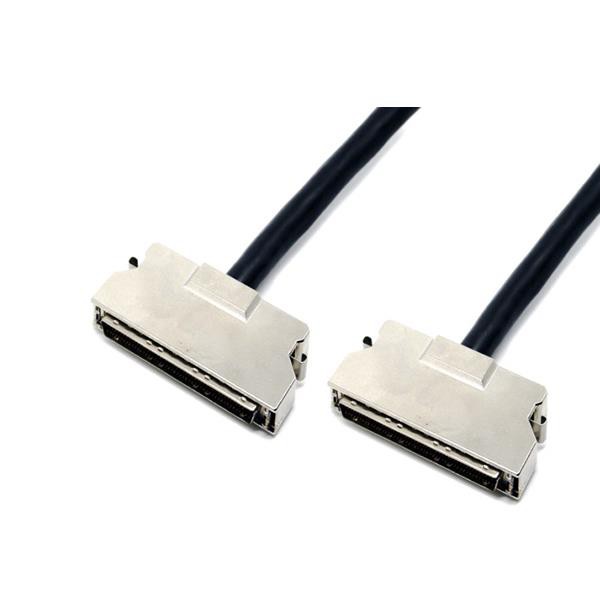
When hanging the cables, ensure that they are not twisted or kinked. Twists and kinks can damage the internal conductors and affect the cable's performance. Also, make sure the cables are hung at a height where they won't be easily knocked or damaged.
Storage in Containers
Storing the cables in containers is also a popular choice. You can use plastic storage bins or boxes to keep the cables organized and protected. When using containers, it's a good idea to line the bottom with a soft material, such as foam or felt, to prevent the cables from being scratched.
You can label the containers to make it easy to find the specific cables you need. Additionally, if you have multiple cables, you can separate them using dividers or individual compartments within the container.
Protecting the Connectors
The connectors on 100 Pin SCSI Cables are the most vulnerable parts. To protect them, you can use connector caps or covers. These caps are designed to fit snugly over the connectors and prevent dust, dirt, and moisture from getting in.
When the cables are not in use, always put the connector caps on. This simple step can significantly extend the lifespan of the connectors and ensure that they remain in good working condition.
Regular Inspection
Even when the cables are stored properly, it's important to conduct regular inspections. Check the cables for any signs of damage, such as cuts, abrasions, or bent pins. If you notice any damage, the cable should be repaired or replaced as soon as possible.
Inspect the connectors for any signs of corrosion or dirt. If the connectors are dirty, you can clean them using a specialized contact cleaner and a soft brush. However, be very careful when cleaning the connectors to avoid damaging the pins.
Related Products
If you're interested in our 100 Pin SCSI Cables, we offer a variety of products. You can check out our High Density 100 Pin SCSI Cable Assembly, which is designed for high - performance data transfer. Another option is our SCSI 100 Pin Relay Terminal Board Connection Cable, which provides a reliable connection for relay terminal boards. And for servo applications, we have the 0.80mm picth HDRA 100 Pin To VHDCI 100 Pin Servo SCSI Cable.
Conclusion
Proper storage of 100 Pin SCSI Cables is essential to ensure their longevity and performance. By following the guidelines outlined in this blog, you can protect your cables from damage and ensure that they are ready for use when needed. If you have any questions about storing 100 Pin SCSI Cables or are interested in purchasing our products, feel free to reach out to us for a procurement discussion. We're here to provide you with the best solutions for your needs.
References
- General knowledge of cable storage and handling in the electronics industry.
- Manufacturer's guidelines for 100 Pin SCSI Cables.