


As a supplier of a Serial Cable factory, ensuring the torsion performance of our cables is of utmost importance. Torsion performance refers to a cable's ability to withstand twisting forces without significant degradation in its electrical and mechanical properties. This is crucial in various applications where cables may be subjected to bending, coiling, or rotation during installation, use, or maintenance. In this blog, I will share how our factory ensures high - quality torsion performance in our serial cables.
Material Selection
The first step in ensuring good torsion performance is the careful selection of materials. For the conductor, we typically choose high - purity copper. Copper has excellent electrical conductivity and ductility, which allows it to withstand repeated torsion without breaking. High - purity copper reduces the risk of signal loss and ensures stable electrical performance even under torsional stress.
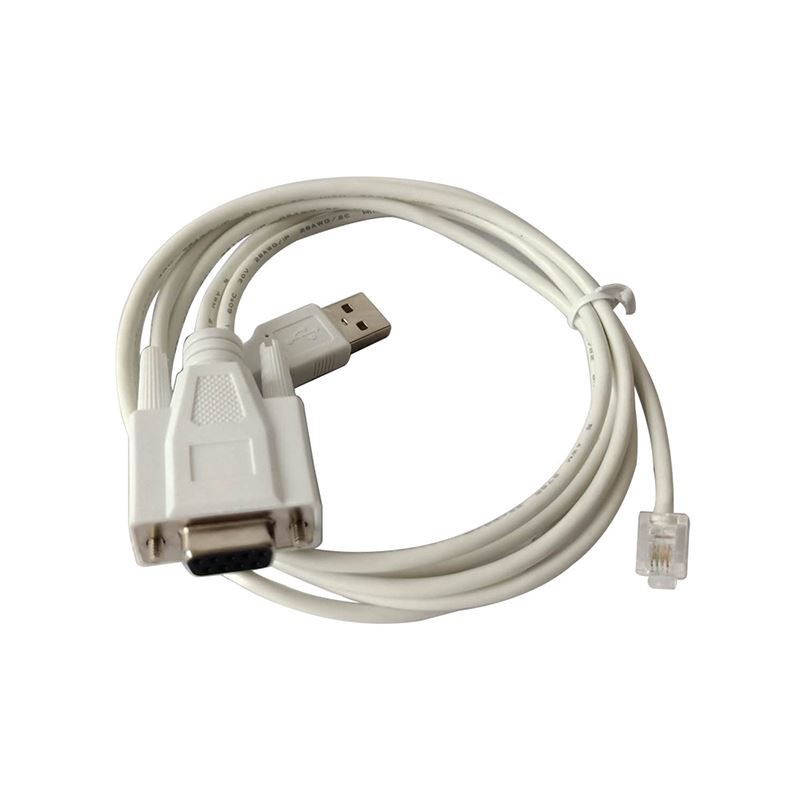
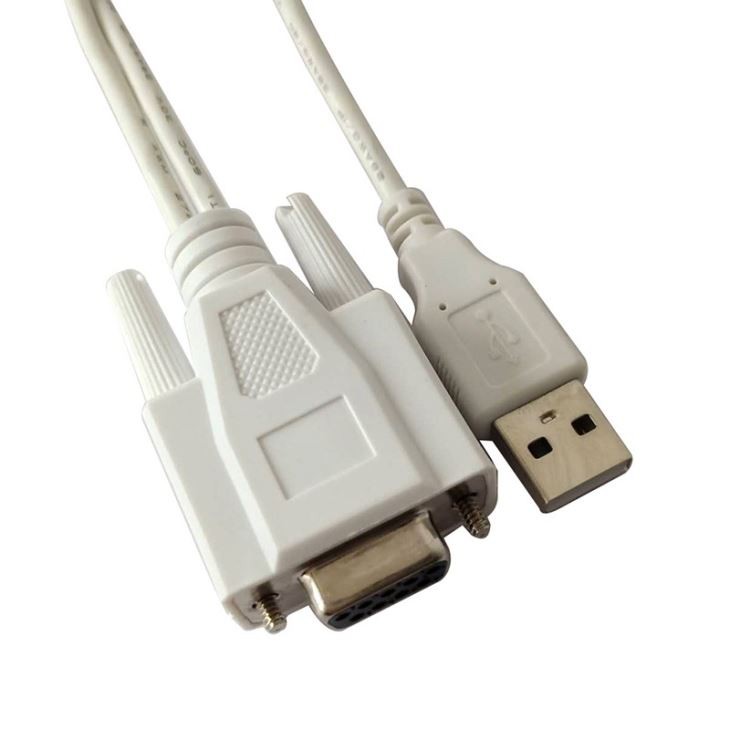
The insulation material is also a key factor. We use materials such as polyethylene (PE) or polyvinyl chloride (PVC) with high flexibility and abrasion resistance. These materials can protect the conductor from external damage during torsion and maintain the integrity of the cable structure. For example, PE has low dielectric constant and loss tangent, which is beneficial for signal transmission, and its good flexibility allows it to adapt to the deformation caused by torsion.
Cable Design
Our cable design is optimized to enhance torsion performance. One of the key design features is the stranding of conductors. We use a multi - strand conductor structure instead of a single - strand one. Multi - strand conductors are more flexible and can better distribute the torsional stress. When the cable is twisted, the individual strands can move relative to each other, reducing the concentration of stress on a single point.
In addition, we pay attention to the lay length of the stranding. The lay length refers to the distance along the cable axis for one complete twist of the strands. A proper lay length can balance the flexibility and mechanical stability of the cable. If the lay length is too short, the cable may be too stiff; if it is too long, the cable may be prone to deformation and damage during torsion.
We also use a proper shielding design. Shielding not only protects the cable from electromagnetic interference but also helps to improve the mechanical stability of the cable. A well - designed shield can evenly distribute the torsional stress and prevent the conductor from being damaged by external forces. For example, a braided shield provides good flexibility and can adapt to the deformation of the cable during torsion.
Manufacturing Process
During the manufacturing process, strict quality control is implemented to ensure the torsion performance of the cables. First, we use advanced extrusion equipment to ensure uniform thickness of the insulation layer. A uniform insulation layer can prevent local stress concentration during torsion and ensure the long - term stability of the cable.
The stranding process is also carefully controlled. We use precision stranding machines to ensure accurate lay length and tightness of the strands. This helps to maintain the structural integrity of the conductor during torsion. After stranding, the cables are subjected to a series of tests, including tensile strength tests and torsion tests.
Torsion tests are an important part of our quality control. We use specialized torsion testing equipment to simulate the actual torsion conditions that the cable may encounter in use. The cable is fixed at both ends and then twisted back and forth a certain number of times at a specific angle and speed. After the test, we check the electrical performance of the cable, such as resistance, capacitance, and signal attenuation. If the test results do not meet the standards, the cable will be rejected.
Quality Assurance
We have a comprehensive quality assurance system in place to ensure that every cable leaving our factory meets the high - quality torsion performance requirements. Our quality control team conducts inspections at every stage of the production process, from raw material inspection to finished product testing.
We also follow international standards and industry best practices. For example, we comply with the standards set by the International Electrotechnical Commission (IEC) and the Institute of Electrical and Electronics Engineers (IEEE). These standards provide clear guidelines on cable performance, including torsion performance, and help us to ensure the quality and reliability of our products.
In addition, we continuously invest in research and development to improve our cable technology and manufacturing processes. We work closely with our customers to understand their specific requirements and develop customized solutions. By doing so, we can ensure that our cables can meet the most demanding torsion performance requirements in various applications.
Application Examples
Our serial cables with excellent torsion performance are widely used in many industries. For example, in the industrial automation field, cables are often required to be installed in tight spaces and may be subjected to frequent bending and torsion during the operation of machinery. Our cables can withstand these harsh conditions and ensure stable signal transmission.
In the medical equipment industry, cables need to be flexible and reliable to ensure the normal operation of medical devices. Our high - quality torsion - resistant cables can meet these requirements and provide safe and stable performance.
If you are interested in our serial cables, such as the DB25 Male to Female Extension Serial Cable, DB9 Femael To RJ11 6P4C USB 2.0 Telephone Cable, or DB37 Bed Communciation Cable, please feel free to contact us for more information and to discuss your procurement needs. We are committed to providing you with the best - quality products and services.
References
- International Electrotechnical Commission (IEC) standards on cable performance.
- Institute of Electrical and Electronics Engineers (IEEE) guidelines for cable design and testing.
- Technical literature on cable materials and manufacturing processes.