


In the realm of data transmission, Bulk Serial Cables play a pivotal role in ensuring reliable and efficient communication between various devices. As a leading supplier of Bulk Serial Cables, I've witnessed firsthand the critical importance of cable shielding in maintaining signal integrity and minimizing interference. In this blog post, I'll delve into the intricacies of how the shielding of a Bulk Serial Cable works, exploring the science behind it and its significance in modern data transfer applications.
Understanding the Basics of Bulk Serial Cables
Before we dive into the shielding mechanism, let's briefly understand what Bulk Serial Cables are. These cables are designed to transmit data serially, one bit at a time, between devices such as computers, industrial controllers, and communication equipment. They come in various configurations, including DB37 Male to DB37 Male Serial Cable, Micro DB9 Male to DB9 Male Cable, and DB25 Male to Male Serial Cable, each tailored to specific applications and connectivity requirements.
The Need for Shielding in Serial Cables
In an increasingly digital world, electronic devices are constantly bombarded with electromagnetic interference (EMI) and radio frequency interference (RFI). These interferences can originate from a variety of sources, including power lines, motors, and other electronic equipment. When a serial cable is exposed to EMI or RFI, it can cause signal degradation, errors in data transmission, and even complete communication failure.
Shielding is essential in Bulk Serial Cables to protect the transmitted signals from external interference. By creating a barrier around the conductors, shielding prevents unwanted electromagnetic fields from interacting with the data-carrying signals, ensuring that the information is transmitted accurately and reliably.
How Shielding Works
The shielding of a Bulk Serial Cable typically consists of one or more layers of conductive material, such as aluminum foil, braided copper, or a combination of both. These materials are wrapped around the inner conductors of the cable, creating a Faraday cage effect.
Faraday Cage Principle
The Faraday cage is a concept named after the English scientist Michael Faraday. It is based on the principle that an electrically conductive enclosure can block external electromagnetic fields. When an external electromagnetic field encounters the conductive shielding of a cable, the free electrons in the shielding material redistribute themselves to cancel out the external field. This redistribution of electrons creates an opposing electric field that effectively neutralizes the external interference, preventing it from reaching the inner conductors of the cable.
Types of Shielding
- Foil Shielding: Aluminum foil is a common material used for shielding in serial cables. It provides a thin, flexible layer of protection that conforms well to the shape of the cable. Foil shielding is effective at blocking high-frequency electromagnetic fields, but it may be less effective at blocking low-frequency fields.
- Braided Shielding: Braided copper shielding consists of a mesh of copper wires woven around the inner conductors of the cable. It provides a more robust and durable shield than foil shielding, offering better protection against both high and low-frequency electromagnetic fields. Braided shielding is also more flexible than foil shielding, making it suitable for applications where the cable may be bent or flexed.
- Combination Shielding: Some serial cables use a combination of foil and braided shielding to provide the best of both worlds. The foil shielding provides a thin, flexible layer of protection against high-frequency interference, while the braided shielding offers additional protection against low-frequency interference and mechanical damage.
Grounding the Shield
In addition to the shielding material itself, proper grounding of the shield is crucial for effective EMI and RFI protection. Grounding the shield ensures that any induced currents in the shielding material are safely diverted to the ground, preventing them from flowing back into the cable and interfering with the data signals.
The shield is typically connected to a ground terminal at one or both ends of the cable. This connection should be made using a low-resistance conductor to ensure that the induced currents can flow freely to the ground. In some cases, the shield may be connected to the chassis of the equipment or to a dedicated ground wire.
Benefits of Shielded Bulk Serial Cables
- Improved Signal Integrity: By blocking external electromagnetic interference, shielded serial cables ensure that the transmitted signals remain clean and undistorted. This results in fewer errors in data transmission and improved overall system performance.
- Enhanced Reliability: Shielding helps to protect the cable from environmental factors such as electromagnetic radiation, moisture, and mechanical damage. This improves the reliability of the cable, reducing the risk of downtime and costly repairs.
- Compliance with Standards: Many industries have strict electromagnetic compatibility (EMC) standards that require the use of shielded cables to ensure that electronic equipment operates safely and effectively in the presence of other electronic devices. Using shielded Bulk Serial Cables helps to ensure compliance with these standards.
Applications of Shielded Bulk Serial Cables
Shielded Bulk Serial Cables are used in a wide range of applications where reliable data transmission is critical. Some common applications include:
- Industrial Automation: In industrial settings, serial cables are used to connect computers, programmable logic controllers (PLCs), and other automation equipment. Shielded cables are essential in these environments to protect against the high levels of electromagnetic interference generated by motors, power supplies, and other industrial machinery.
- Telecommunications: Serial cables are used in telecommunications networks to connect routers, switches, and other networking equipment. Shielded cables help to ensure reliable communication between these devices, even in the presence of electromagnetic interference from nearby power lines and other electronic equipment.
- Medical Equipment: In the medical field, serial cables are used to connect various medical devices, such as patient monitors, imaging equipment, and laboratory analyzers. Shielded cables are necessary to ensure the accuracy and reliability of the data transmitted between these devices, which is crucial for patient safety and diagnosis.
Conclusion
In conclusion, the shielding of a Bulk Serial Cable plays a vital role in ensuring reliable and efficient data transmission in a variety of applications. By creating a Faraday cage effect and grounding the shield, the shielding material effectively blocks external electromagnetic interference, protecting the inner conductors of the cable and ensuring the integrity of the transmitted signals.

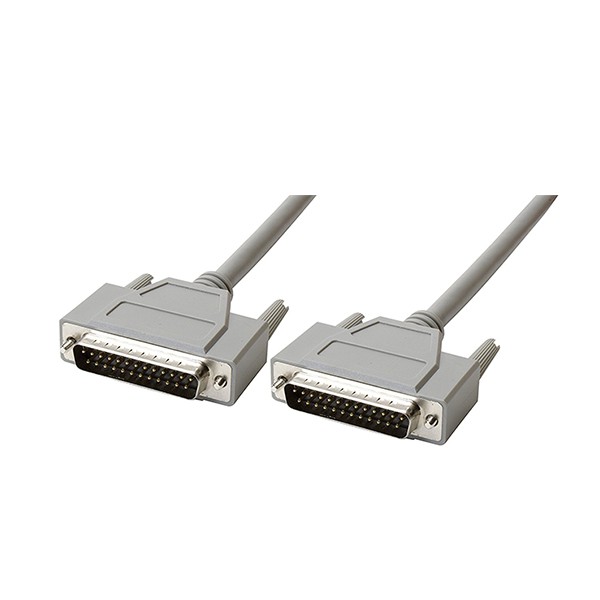
As a supplier of Bulk Serial Cables, we understand the importance of providing high-quality, shielded cables that meet the specific needs of our customers. Whether you're looking for a DB37 Male to DB37 Male Serial Cable, a Micro DB9 Male to DB9 Male Cable, or a DB25 Male to Male Serial Cable, we have the expertise and experience to provide you with the right solution.
If you're interested in learning more about our Bulk Serial Cables or have any questions about cable shielding, please don't hesitate to contact us. Our team of experts is here to help you find the best cable solution for your specific application.
References
- Electromagnetic Compatibility Engineering, Henry W. Ott
- The Art of Electronics, Paul Horowitz and Winfield Hill