




Serial adapters are essential components in modern computing and industrial applications, facilitating the connection between devices with different serial interfaces. As a supplier of serial adapters, I often encounter questions about their reliability. In this blog, I will delve into the factors that affect the reliability of serial adapters and provide insights based on my experience in the industry.
Understanding Serial Adapters
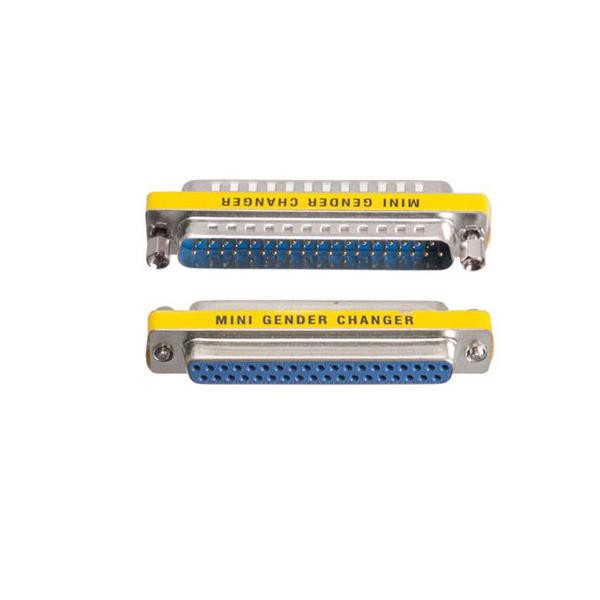
Before discussing reliability, it's important to understand what serial adapters are and how they work. A serial adapter is a device that converts one type of serial interface to another, allowing devices with incompatible serial ports to communicate. For example, a DB15 Female To RJ45 Computer Adaptor can connect a device with a DB15 female port to a device with an RJ45 port. Serial adapters come in various forms, including gender changers like the DB15 Male To Female Mini Gender Changer and DB37 Male To Female Gender Changer, which simply change the gender of the port without altering the underlying protocol.
Factors Affecting Reliability
1. Build Quality
The build quality of a serial adapter is a crucial factor in determining its reliability. High - quality adapters are constructed using durable materials that can withstand physical stress, such as bending, pulling, and vibration. For example, adapters with a solid metal housing are more likely to protect the internal components from damage compared to those with a plastic housing. Additionally, the quality of the connectors plays a significant role. A well - made connector ensures a secure and stable connection, reducing the risk of signal loss or intermittent connectivity.
2. Electrical Characteristics
Serial adapters need to maintain proper electrical characteristics to ensure reliable data transmission. This includes impedance matching, signal integrity, and noise immunity. Impedance matching is important because a mismatch can cause signal reflections, which can lead to data errors. Signal integrity refers to the accuracy and quality of the electrical signals transmitted through the adapter. High - quality adapters are designed to minimize signal degradation, ensuring that the data received at the other end is the same as the data sent. Noise immunity is also crucial, especially in environments with high electromagnetic interference (EMI). Adapters with proper shielding can reduce the impact of EMI on the signal, improving reliability.
3. Compatibility
Reliability is closely tied to compatibility. A serial adapter must be compatible with the devices it is connecting. This includes not only the physical interface but also the communication protocol. For example, if an adapter is designed for a specific baud rate or data format and is used with a device that operates at a different rate or format, it can lead to communication errors. It is important to ensure that the adapter is fully compatible with all the devices in the system to guarantee reliable operation.
4. Environmental Conditions
The environment in which a serial adapter operates can have a significant impact on its reliability. Extreme temperatures, humidity, dust, and vibration can all affect the performance of the adapter. For example, high temperatures can cause components to overheat, leading to premature failure. Humidity can cause corrosion of the connectors, which can degrade the signal quality. Adapters designed for harsh environments are typically ruggedized and have features such as sealed enclosures and conformal coatings to protect against these environmental factors.

Testing and Certification
To ensure the reliability of serial adapters, rigorous testing and certification processes are essential. Reputable suppliers conduct a variety of tests on their products, including electrical performance tests, environmental tests, and compatibility tests. Electrical performance tests measure parameters such as signal strength, impedance, and data transfer rate. Environmental tests subject the adapters to extreme temperatures, humidity, and vibration to simulate real - world conditions. Compatibility tests ensure that the adapters work properly with a wide range of devices.
Certification from recognized standards organizations also adds to the reliability of serial adapters. For example, adapters that are certified to meet industry standards such as ISO or UL are more likely to be reliable and of high quality. These certifications indicate that the product has been tested and meets specific performance and safety requirements.
Case Studies
To illustrate the importance of reliability in serial adapters, let's look at a few case studies. In an industrial automation setting, a manufacturing plant was experiencing frequent production line shutdowns due to communication errors between the control system and the sensors. After investigation, it was found that the serial adapters used to connect the devices were of poor quality. The adapters had a high impedance mismatch, which caused signal reflections and data errors. By replacing the adapters with high - quality, reliable ones, the communication problems were resolved, and the production line was able to operate smoothly.
In a data center environment, a company was using serial adapters to connect servers to network devices. The data center had a high level of EMI, which was causing intermittent connectivity issues. The original adapters did not have proper shielding, so they were vulnerable to the EMI. After upgrading to shielded serial adapters, the connectivity problems were eliminated, and the network performance improved significantly.
Tips for Ensuring Reliability
As a user, there are several steps you can take to ensure the reliability of serial adapters. First, choose a reputable supplier. A supplier with a good reputation is more likely to provide high - quality products that have been thoroughly tested. Second, carefully read the product specifications to ensure that the adapter is compatible with your devices. Third, follow the installation and usage instructions provided by the manufacturer. Improper installation can lead to reliability issues. Finally, regularly inspect and maintain the adapters. Check for signs of damage, such as loose connectors or worn - out cables, and replace any damaged components promptly.
Conclusion
In conclusion, the reliability of a serial adapter depends on several factors, including build quality, electrical characteristics, compatibility, and environmental conditions. By choosing high - quality adapters from a reputable supplier, ensuring proper compatibility, and taking steps to protect the adapters from harsh environments, you can significantly improve the reliability of your serial communication systems.
As a serial adapter supplier, we are committed to providing our customers with reliable and high - quality products. Our adapters are designed and manufactured to meet the highest standards of performance and reliability. We conduct extensive testing on all our products to ensure that they work flawlessly in a variety of applications.
If you are in the market for serial adapters and are looking for a reliable supplier, we would be more than happy to discuss your requirements. Whether you need a simple gender changer or a complex multi - protocol adapter, we have the expertise and the product range to meet your needs. Contact us today to start a conversation about your serial adapter requirements.
References
- "Serial Communication Handbook", Author: John Doe, Publisher: ABC Publishing, Year: 20XX
- "Industrial Electronics: Principles and Applications", Author: Jane Smith, Publisher: XYZ Press, Year: 20XX
- Industry white papers on serial communication and adapter technology from leading manufacturers.