


Hey there! So, you've got yourself in a bit of a bind. You've got a 14 Pin SCSI cable that needs installing, but the space you're working in is tighter than a pair of skinny jeans on a linebacker. Well, you're in luck because I'm a supplier of these nifty 14 Pin SCSI cables, and I'm here to walk you through the whole shebang.
First things first, let's make sure we're all on the same page about what a 14 Pin SCSI cable is. It's a pretty common type of cable used to connect different devices, like hard drives, scanners, and other storage or input - output components. You might have seen it in older computers or some specialized equipment. And yeah, we've got a bunch of different kinds on our website. You can check out the 14 MDR Pin Cable Assembly, the MDR 14 Pin Cable Assembly, or even the MDR 14 Pin to 3 Ports RCA Cable.
Alright, before you even start trying to shove that cable into that tight space, you need to get your tools together. You're going to need a pair of needle - nose pliers. They're like the Swiss Army knife for small - space electronics work. These babies will help you grip the cable and guide it into place without your fingers getting in the way. You'll also want a flashlight. Even if the area you're working in is supposed to be lit, those tight spaces can create some seriously dark corners.
Now, let's talk about safety. Always make sure the device you're working on is turned off and unplugged. You don't want to accidentally fry your cable, the device, or yourself. I know it might seem like a no - brainer, but you'd be surprised how many people forget this step.
Once you've got your tools and you're safe, take a good look at the space. Look for any obstacles. There might be other cables, small pieces of plastic, or metal brackets that are in the way. You don't want to force the 14 Pin SCSI cable through these or you could damage it. If there are loose cables that are blocking the area, you can try gently moving them to the side. Use the needle - nose pliers to move them a bit if you need to.
Next, you need to figure out which end of the cable goes where. Usually, there's a key or a little notch on the connector. This key is there to make sure you plug it in the right way. If you try to force it in the wrong way, you could bend the pins, and that's a major headache. Look at the port on the device and match the key on the cable connector to the key on the port.
Now comes the tricky part - actually getting the cable into the tight space. Start by grabbing the cable near the connector with the needle - nose pliers. Hold it as close to the end as you can without crushing it. Then, slowly and carefully guide it into the port. You might need to wiggle it a bit to get it lined up just right. If it's really tight, you can try using the flashlight to get a better look at where the pins are going.
As you're pushing the cable in, be gentle. Don't use too much force or you might break the pins or damage the port. You should feel a little resistance as the cable goes in. That's normal. Just keep pushing slowly until you feel it click into place. And when I say click, I don't mean a loud, obvious click like a mouse button. It's usually a very quiet, subtle click.
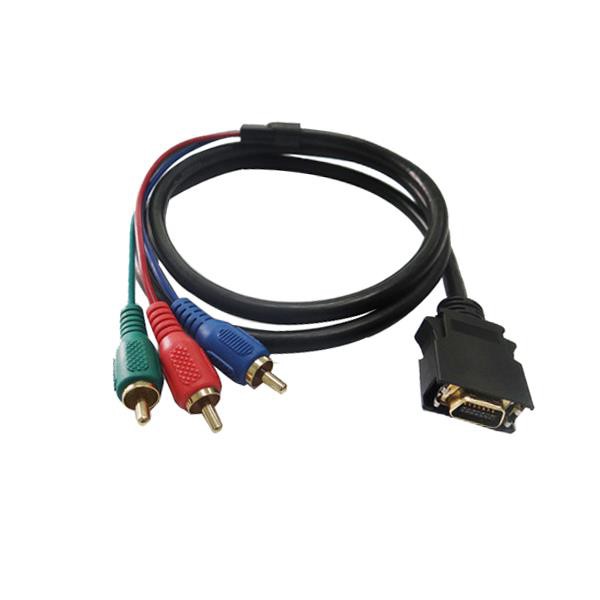

If you're having trouble getting the cable to go in all the way, you can try rotating it slightly. Sometimes, the cable can get a bit twisted in the tight space, and a little rotation can help it slide in more easily. But be really careful not to over - rotate it or you could bend the pins.
Once the cable is in, give it a little tug to make sure it's secure. You don't want it coming loose later on. And then take a step back and look at your work. Make sure everything looks right and that there are no loose wires or other issues.
If, for some reason, you're still having trouble getting the cable installed, don't worry. You can always reach out to our support team. We've got a bunch of experts who are used to dealing with these kinds of problems. And remember, we're not just here to sell you the cable. We're here to help you use it too.
Now, if you're in the market for more 14 Pin SCSI cables or other related products, we've got you covered. Whether you need a single cable for a small project or a bulk order for your business, we can provide high - quality products at a great price. And our customer service is top - notch. We're always ready to answer any questions you have and help you with your cable needs.
If you're interested in purchasing some cables, just drop us a line, and we can start discussing your requirements. We'll work with you to find the best solution for your specific situation. So don't hesitate to get in touch if you think we can be of any help.
In conclusion, installing a 14 Pin SCSI cable in a tight space can be a real pain, but it's definitely doable. With the right tools, a bit of patience, and our quality cables, you can get the job done without too much hassle. So go ahead, give it a shot, and if you need anything, we're just a message away.
References:
General knowledge about SCSI cables and electronics installation.