


Hey there! I'm a supplier of 50 Pin SCSI Cables, and I've seen firsthand how crucial it is to store these cables properly. Whether you're a tech enthusiast, a business owner, or just someone who's got a few extra cables lying around, knowing the right way to store your 50 Pin SCSI Cables can save you a lot of headaches down the road.
First off, let's talk about why proper storage matters. 50 Pin SCSI Cables are delicate pieces of equipment. Their internal wires are thin and can easily get damaged if the cable is bent too sharply or twisted. Also, the connectors at the ends are prone to corrosion and physical damage. If you don't store them correctly, you might find that your cables start to malfunction, leading to data transfer issues or even complete failure.
One of the most important things to consider when storing 50 Pin SCSI Cables is the environment. You want to keep them in a cool, dry place. High humidity can cause the metal parts of the cable, especially the connectors, to rust. And extreme temperatures can make the cable's insulation brittle, which can lead to short circuits. A closet or a storage cabinet in a climate - controlled room is a great option. Avoid storing them in basements or attics where the temperature and humidity can fluctuate wildly.
Now, let's talk about how to physically store the cables. You don't want to just toss them in a box all willy - nilly. Coiling the cables properly is key. Start by straightening out the cable as much as possible. Then, make large, loose loops. Don't make the loops too tight, as this can damage the internal wires. You can use cable ties or Velcro straps to keep the loops together, but don't cinch them down too hard. This way, the cable remains flexible and is less likely to get damaged.
Another thing to keep in mind is protecting the connectors. The connectors on a 50 Pin SCSI Cable are very sensitive. You can use connector caps to cover them. These caps are usually made of plastic and can prevent dust, dirt, and moisture from getting into the connectors. If you don't have connector caps, you can use small plastic bags to cover the ends of the cable and secure them with a rubber band.
When it comes to stacking or arranging the cables, be careful not to put too much pressure on them. If you stack a bunch of heavy items on top of your cables, it can crush the internal wires. Instead, store them in a way that they are not compressed. You can use shelves or storage bins to keep them organized. Label the bins or shelves so you can easily find the cable you need when you need it.
Let's take a look at some of the specific types of 50 Pin SCSI Cables we offer. We have the SCSI HPCN 50 Pin Screw Lock Open Cable. This cable is great for applications where you need a secure connection. When storing this type of cable, pay extra attention to the screw - lock mechanism. Make sure it's not damaged or loose. You can also keep a small packet of silica gel near the cable to absorb any moisture that might get into the storage area.
The HD 50 Pin Male SCSI Cable Assembly is another popular option. This cable is often used in high - density data transfer applications. When storing it, keep it away from other cables that might have sharp edges or rough surfaces. These could scratch the cable's insulation or damage the connectors.
And then there's the Micro DB 50 Pin SCSI Cable. This cable is more compact, but it's still just as delicate. Because of its smaller size, it can be easier to misplace. So, make sure you store it in a clearly marked container or area.
If you're planning to store the cables for a long time, you might want to consider using a vacuum - sealed bag. This can provide an extra layer of protection against moisture and dust. Just make sure the cable is completely dry before you seal it in the bag. You can also add a desiccant packet to absorb any remaining moisture.
It's also a good idea to periodically check on your stored cables. Even if you've stored them properly, things can still go wrong over time. Check for any signs of damage, such as frayed wires, cracked insulation, or corroded connectors. If you notice any issues, it's best to replace the cable before it causes problems.

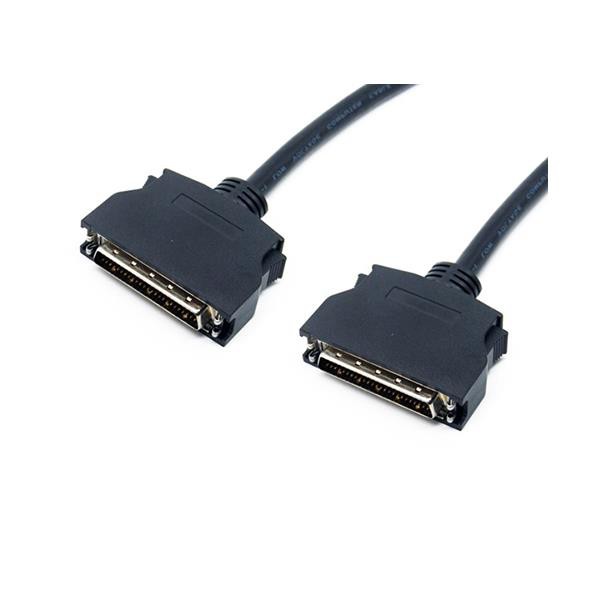
In conclusion, proper storage of 50 Pin SCSI Cables is essential for their longevity and performance. By following these tips, you can ensure that your cables stay in good condition for as long as possible. Whether you're a customer who's already purchased our cables or someone who's thinking about it, taking care of these cables is a smart investment.
If you're interested in purchasing 50 Pin SCSI Cables or have any questions about our products, feel free to reach out. We're here to help you find the right cable for your needs and provide you with all the information you need to store and use them properly.
References
- General knowledge on cable storage and maintenance from years of experience as a 50 Pin SCSI Cable supplier.