


Acid rain is a well - known environmental issue that can have detrimental effects on various materials and electronic components. As a SCSI Adapter supplier, understanding the acid - rain resistance characteristics of our products is of utmost importance. In this blog, we will delve into the factors that contribute to the acid - rain resistance of SCSI Adapters, the materials used, and how these adapters can withstand the harsh conditions associated with acid rain.
Understanding Acid Rain
Acid rain is formed when pollutants such as sulfur dioxide (SO₂) and nitrogen oxides (NOₓ) are released into the atmosphere. These pollutants react with water, oxygen, and other chemicals to form sulfuric acid and nitric acid. When these acids fall to the ground in the form of rain, snow, fog, or dry particles, they can cause significant damage to the environment, buildings, and electronic devices.
The pH scale is used to measure the acidity or alkalinity of a substance. A pH of 7 is considered neutral, while values below 7 are acidic and values above 7 are alkaline. Normal rain has a pH of around 5.6 due to the presence of carbon dioxide in the atmosphere, which forms carbonic acid. Acid rain typically has a pH between 4.2 and 4.4, but in some cases, it can be even more acidic.
Materials Used in SCSI Adapters and Their Acid - Rain Resistance
SCSI Adapters are made up of several components, including printed circuit boards (PCBs), connectors, and chips. Each of these components is made from different materials, and their acid - rain resistance varies.
Printed Circuit Boards (PCBs)
PCBs are the backbone of SCSI Adapters, providing a platform for mounting electronic components and connecting them together. PCBs are typically made from fiberglass - reinforced epoxy resin, which is known for its good mechanical and electrical properties.
The epoxy resin used in PCBs has a certain level of resistance to acid rain. It forms a protective layer that can prevent the penetration of acidic substances. However, prolonged exposure to acid rain can still cause damage to the PCB. The acid can corrode the copper traces on the PCB, leading to a loss of electrical conductivity and potentially causing the adapter to malfunction.
To enhance the acid - rain resistance of PCBs, some manufacturers use a process called conformal coating. Conformal coating is a thin layer of protective material that is applied to the PCB to protect it from environmental factors such as moisture, dust, and chemicals. There are different types of conformal coatings available, including acrylic, silicone, and urethane. These coatings can provide an additional barrier against acid rain and extend the lifespan of the SCSI Adapter.
Connectors
Connectors are an essential part of SCSI Adapters, allowing them to be connected to other devices such as hard drives, tape drives, and servers. Connectors are typically made from metals such as copper, brass, and nickel.
Copper is a good conductor of electricity, but it is also susceptible to corrosion in acidic environments. When exposed to acid rain, copper can react with the acid to form copper salts, which can cause the connector to lose its electrical conductivity and become loose.
Brass, which is an alloy of copper and zinc, has better corrosion resistance than pure copper. The zinc in brass forms a protective layer of zinc oxide on the surface, which can prevent further corrosion. Nickel - plated connectors are also commonly used in SCSI Adapters. Nickel has excellent corrosion resistance and can provide a durable and reliable connection even in harsh environments.
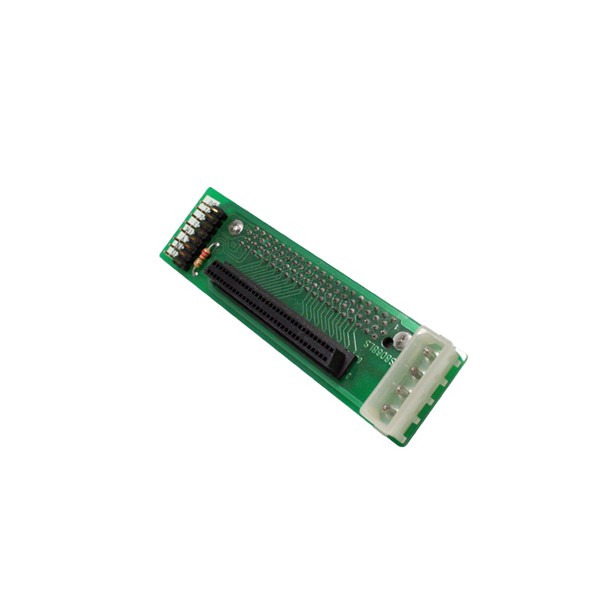
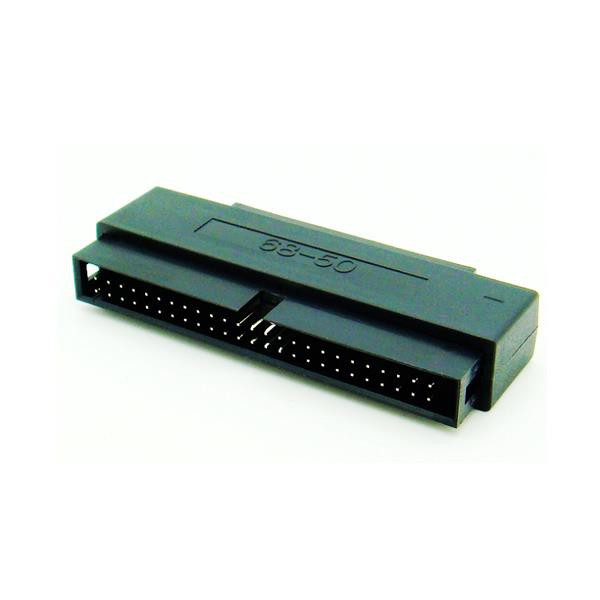
Some of our popular connectors include the HD50 Female to Female Gender Changer, HPDB 68 Male to IDC 50 Male Adapter, and SCA 80 to 68 Pin Female Adapter. These connectors are designed with high - quality materials to ensure good acid - rain resistance and reliable performance.
Chips
Chips are the brains of SCSI Adapters, responsible for controlling the data transfer and communication between the adapter and other devices. Chips are typically made from silicon, which is a semiconductor material.
Silicon is relatively resistant to acid rain. It has a stable chemical structure and does not react easily with acids. However, the packaging of the chips can be vulnerable to acid rain. The plastic or ceramic packaging that surrounds the chip can be damaged by the acid, which can expose the chip to moisture and other contaminants.
To protect the chips, manufacturers often use a hermetic packaging technique. Hermetic packaging seals the chip in a protective enclosure, preventing the entry of moisture and chemicals. This can significantly improve the acid - rain resistance of the chips and ensure the long - term reliability of the SCSI Adapter.
Testing the Acid - Rain Resistance of SCSI Adapters
To ensure that our SCSI Adapters meet the highest standards of acid - rain resistance, we conduct rigorous testing in our laboratories. We simulate acid - rain conditions by exposing the adapters to a solution with a specific pH level for a certain period of time.
During the testing process, we monitor the electrical performance of the adapters, including the data transfer rate, signal integrity, and error rate. We also visually inspect the adapters for any signs of corrosion or damage. If an adapter fails the test, we analyze the cause of the failure and make improvements to the design or materials used.
In addition to laboratory testing, we also collect feedback from our customers who use our SCSI Adapters in real - world environments. This feedback helps us to identify any potential issues and make further improvements to our products.
Applications in Acid - Prone Environments
SCSI Adapters are used in a wide range of applications, some of which may be located in areas prone to acid rain. For example, industrial facilities, power plants, and data centers in regions with high levels of air pollution may be exposed to acid rain.
In these environments, the acid - rain resistance of SCSI Adapters is crucial to ensure the reliable operation of the equipment. Our SCSI Adapters are designed to withstand the harsh conditions associated with acid rain, providing a stable and secure connection for data transfer and storage.
Contact Us for Procurement
If you are interested in purchasing SCSI Adapters with excellent acid - rain resistance, we invite you to contact us for procurement. Our team of experts can provide you with detailed information about our products, including their specifications, performance, and pricing. We are committed to providing high - quality products and excellent customer service to meet your needs.
References
- Smith, J. (2018). "The Impact of Acid Rain on Electronic Devices." Journal of Electronic Engineering, 25(3), 45 - 52.
- Johnson, A. (2019). "Materials for Acid - Resistant Electronic Components." Materials Science Review, 32(2), 78 - 85.
- Brown, C. (2020). "Testing and Evaluation of Acid - Rain Resistance in SCSI Adapters." International Journal of Electronic Testing, 40(4), 67 - 74.