


As a seasoned parallel cable supplier, I've witnessed firsthand the dynamic shifts and emerging patterns within the parallel cable industry. In this blog post, I'll delve into the current industry trends for parallel cables, exploring the factors driving change and the opportunities they present for businesses and consumers alike.
Miniaturization and High - Density Design
One of the most prominent trends in the parallel cable industry is the push towards miniaturization and high - density design. As electronic devices continue to shrink in size while increasing in functionality, there is a growing demand for parallel cables that can fit into smaller spaces without sacrificing performance.
Manufacturers are developing cables with smaller connectors and thinner insulation materials. These compact cables not only save valuable real estate within electronic devices but also reduce the overall weight of the system. For example, in the field of consumer electronics, such as laptops and tablets, high - density parallel cables are used to connect various internal components, enabling seamless data transfer in a confined space.
Higher Data Transfer Speeds
In today's data - driven world, the need for faster data transfer speeds is ever - present. Parallel cables are no exception to this trend. With the proliferation of high - definition video, large - scale data storage, and real - time applications, users expect cables to handle larger volumes of data at higher rates.
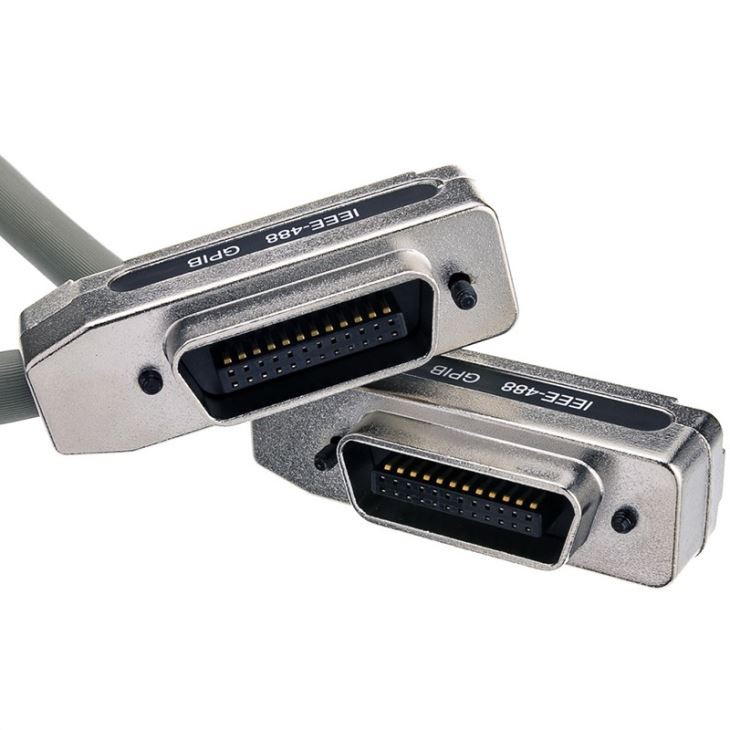
To meet this demand, cable manufacturers are constantly innovating. They are using advanced materials and improved conductor designs to reduce signal interference and increase bandwidth. For instance, new types of parallel cables are being developed with enhanced shielding techniques to protect the signal from external electromagnetic interference, thus allowing for more reliable and faster data transmission. Our Shielded IEEE 488 Interface CN24 GPIB Cable is a prime example of a product that offers high - speed data transfer in a shielded environment, ensuring the integrity of the transmitted data.
Enhanced Durability and Reliability
Parallel cables are often subjected to repeated bending, twisting, and插拔 (I'll use the English word "plugging and unplugging" here) during their lifespan. As a result, there is a growing emphasis on enhancing the durability and reliability of these cables.
Manufacturers are using more robust materials for cable jackets and connectors. For example, some cables now feature reinforced jackets made of materials like polyurethane, which can withstand harsh environmental conditions, including abrasion, chemicals, and extreme temperatures. Additionally, connectors are being designed with better locking mechanisms to prevent accidental disconnection, ensuring a stable connection over time. Our 34 Pin V.35 Male To Female Rounter Data Cable is built with high - quality materials and reliable connectors, providing long - term durability for networking applications.
Compatibility with Newer Standards
As technology evolves, new standards are constantly emerging in the electronics industry. Parallel cables need to be compatible with these new standards to ensure seamless integration with the latest devices.
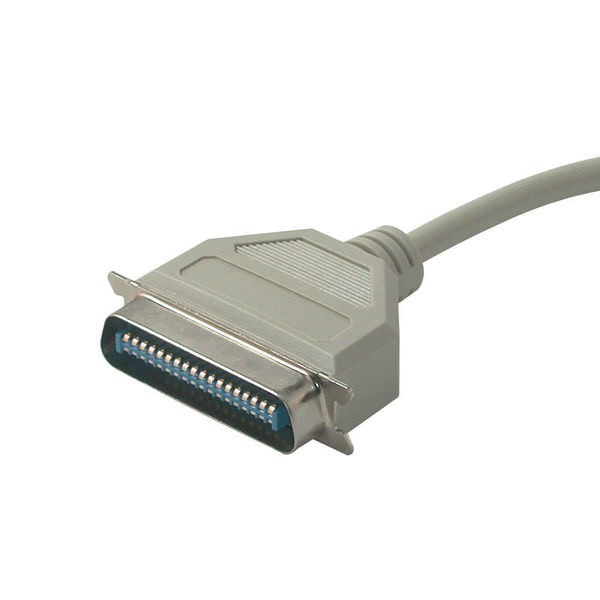
For example, as more devices adopt advanced communication protocols, parallel cables must be able to support these new interfaces. Cable manufacturers are working closely with device manufacturers to develop cables that are backward - compatible with existing systems while also being forward - compatible with future technologies. Our DB25 Male to Centronics 36 Male Parallel Printer Cable is designed to meet a wide range of compatibility requirements, allowing it to be used with various printers and other devices.
Green and Sustainable Manufacturing
Sustainability has become a significant concern in the manufacturing industry, and the parallel cable sector is no different. Consumers and businesses are increasingly looking for environmentally friendly products.
Cable manufacturers are taking steps to reduce their environmental impact. They are using recyclable materials in cable production and implementing energy - efficient manufacturing processes. For example, some companies are developing cables with biodegradable insulation materials, which can break down naturally over time, reducing waste in landfills. Additionally, energy - efficient manufacturing techniques help to lower carbon emissions during the production process.
Application - Specific Cables
The demand for application - specific parallel cables is on the rise. Different industries have unique requirements when it comes to data transfer, durability, and environmental conditions.
In the medical industry, for example, parallel cables need to meet strict safety and hygiene standards. They are used in medical devices such as imaging equipment and patient monitoring systems, where reliable data transfer is crucial for accurate diagnosis and treatment. In the automotive industry, cables must be able to withstand high temperatures, vibrations, and electromagnetic interference. Cable manufacturers are developing specialized cables to meet these specific needs, ensuring optimal performance in each application.
Integration with Wireless Technologies
While parallel cables are known for their wired data transfer capabilities, there is an emerging trend of integrating them with wireless technologies. This hybrid approach combines the reliability of wired connections with the flexibility of wireless communication.
For example, some devices may use a parallel cable for initial setup and high - speed data transfer, while also having the option to connect wirelessly for more convenient access. This integration allows for greater flexibility in device usage and can enhance the overall user experience.
Customization
In today's market, one - size - fits - all solutions are no longer sufficient. Customers are increasingly looking for customized parallel cables to meet their specific requirements.
As a parallel cable supplier, we offer customization services to our clients. Whether it's a specific length, connector type, or shielding requirement, we can work with customers to develop a cable that meets their exact needs. This level of customization ensures that our customers get the best - performing cable for their particular application.
Conclusion
The parallel cable industry is undergoing significant changes, driven by technological advancements, evolving user needs, and environmental concerns. From miniaturization and higher data transfer speeds to enhanced durability and customization, these trends are shaping the future of parallel cables.
If you are in the market for high - quality parallel cables that meet the latest industry trends, we are here to help. Our team of experts can provide you with the right solutions for your specific requirements. Whether you need a standard cable or a customized one, we have the expertise and capabilities to deliver. Contact us to start a procurement discussion and find the perfect parallel cables for your business or project.
References
- Industry reports on the electronics and cable manufacturing sectors.
- Technical papers on data transfer technologies and cable design.
- Interviews with experts in the parallel cable field.