




When it comes to the service life of serial cables from a factory, there are numerous factors at play. As a supplier of serial cables, I've had the privilege of witnessing firsthand how these cables perform in various environments over time. In this blog post, I'll delve into the key elements that influence the service life of serial cables, share some insights based on our experience, and highlight a few of our popular products.
Understanding Serial Cables
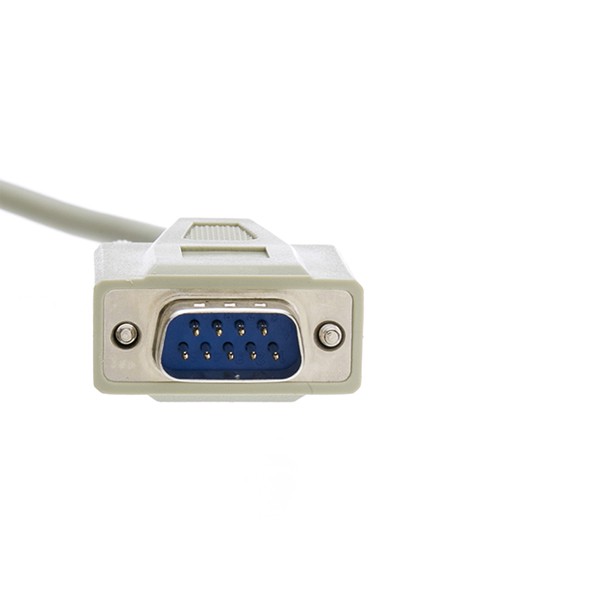
Serial cables are essential components in many electronic and communication systems. They are used to transfer data between devices in a sequential manner, bit by bit. These cables come in different types, connectors, and lengths, each designed to meet specific requirements. For instance, the 8-pin RJ45 to Male DB9 Console Cable is commonly used for console connections, allowing users to configure and manage network devices. The Mini USB to DB9 Terminal Serial Cable is ideal for connecting devices with a Mini USB port to those with a DB9 interface, providing a convenient solution for data transfer. And the Female DB9 Pin Cable End Open Cable offers flexibility for custom installations.
Factors Affecting Service Life
1. Quality of Materials
The materials used in the manufacturing of serial cables have a significant impact on their service life. High-quality conductors, such as copper with a high purity level, offer better electrical conductivity and resistance to corrosion. Insulation materials also play a crucial role. A durable and high-grade insulation can protect the conductors from environmental factors, such as moisture, heat, and physical damage. At our factory, we source the best materials available to ensure that our cables can withstand the test of time.
2. Manufacturing Process
A precise and well-controlled manufacturing process is essential for producing reliable serial cables. During the production, the conductors need to be properly twisted and shielded to reduce electromagnetic interference (EMI) and crosstalk. The connectors must be securely attached to the cables to ensure a stable electrical connection. Any flaws in the manufacturing process, such as loose connections or improper shielding, can lead to signal degradation and shorten the cable's service life. Our factory adheres to strict quality control standards at every stage of the manufacturing process to guarantee the performance and longevity of our cables.
3. Environmental Conditions
The environment in which the serial cables are used can greatly affect their service life. Extreme temperatures, high humidity, and exposure to chemicals or radiation can all cause damage to the cables. For example, in a hot and humid environment, the insulation material may deteriorate over time, leading to short circuits or signal loss. In industrial settings, where there is a lot of vibration and mechanical stress, the cables may be more prone to physical damage. To mitigate these risks, we offer cables with different levels of environmental protection, such as waterproof and heat-resistant cables, to meet the needs of various applications.
4. Usage Patterns
How the serial cables are used also influences their service life. Frequent bending, twisting, and插拔 (plugging and unplugging) can cause wear and tear on the cables and connectors. Overloading the cables with excessive data transfer rates or current can also lead to overheating and premature failure. It is important for users to follow the recommended usage guidelines and handle the cables with care to extend their service life.
Estimating the Service Life
Given the many factors involved, it is difficult to provide an exact service life for serial cables. However, under normal operating conditions, a high-quality serial cable can last anywhere from 5 to 10 years. This estimate assumes that the cable is used in a relatively stable environment, with proper handling and within its specified operating parameters.

In some cases, where the cables are used in harsh environments or subjected to heavy usage, their service life may be significantly shorter. On the other hand, if the cables are used sparingly and stored properly, they may last even longer.
Extending the Service Life
To maximize the service life of serial cables, here are some tips:
- Proper Installation: Ensure that the cables are installed correctly, with no sharp bends or kinks. Use cable management systems to keep the cables organized and protected.
- Regular Inspection: Periodically check the cables for any signs of damage, such as frayed insulation or loose connectors. Replace any damaged cables immediately to prevent further problems.
- Avoid Overloading: Do not exceed the recommended data transfer rates or current ratings of the cables. Using the cables within their specified limits will help prevent overheating and premature failure.
- Protect from the Environment: If possible, keep the cables away from extreme temperatures, humidity, and chemicals. Use cable jackets or enclosures to provide additional protection.
Our Commitment to Quality
As a serial cable factory supplier, we are committed to providing our customers with high-quality products that offer long service lives. We invest in the latest manufacturing technology and equipment to ensure that our cables meet the highest industry standards. Our team of experienced engineers and technicians conducts rigorous quality control tests on every cable before it leaves the factory.
We also offer excellent customer support to help our customers choose the right cables for their applications and provide guidance on installation and maintenance. If you have any questions or need further information about our serial cables, please feel free to contact us. We look forward to discussing your requirements and helping you find the best solutions for your needs. Whether you are a small business or a large enterprise, we are here to support your serial cable needs. Reach out to us today to start a conversation about your procurement requirements and let us work together to find the perfect serial cables for your projects.
References
- "Cable Manufacturing Handbook" by John J. Burke
- "Electromagnetic Compatibility Engineering" by Henry W. Ott
- Industry standards and guidelines for serial cable manufacturing and usage