




What is the voltage tolerance of a serial adapter?
As a seasoned supplier of serial adapters, I often encounter inquiries about the voltage tolerance of these essential devices. Voltage tolerance is a critical parameter that determines the range of input voltages a serial adapter can handle without malfunctioning or sustaining damage. Understanding this concept is crucial for ensuring the proper operation and longevity of serial communication systems.
Defining Voltage Tolerance
Voltage tolerance refers to the allowable deviation from the nominal voltage specified for a serial adapter. It is typically expressed as a percentage or a specific voltage range. For example, a serial adapter with a nominal voltage of 5V and a voltage tolerance of ±5% can accept input voltages ranging from 4.75V to 5.25V. Operating the adapter outside of this range may lead to erratic behavior, data corruption, or even permanent damage to the device.

Factors Affecting Voltage Tolerance
Several factors influence the voltage tolerance of a serial adapter, including the design of the internal circuitry, the quality of the components used, and the operating environment.
- Internal Circuitry Design: The design of the adapter's internal circuitry plays a significant role in determining its voltage tolerance. Adapters with well-designed power management circuits are better able to regulate the input voltage and maintain stable operation within a wider range. For instance, some advanced serial adapters incorporate voltage regulators and filtering components to minimize the impact of voltage fluctuations.
- Component Quality: The quality of the electronic components used in the adapter also affects its voltage tolerance. High-quality components are generally more resistant to voltage variations and can operate reliably under a wider range of conditions. In contrast, low-quality components may be more susceptible to damage from overvoltage or undervoltage situations.
- Operating Environment: The operating environment can have a significant impact on the voltage tolerance of a serial adapter. Factors such as temperature, humidity, and electrical noise can all affect the performance of the adapter and reduce its voltage tolerance. For example, high temperatures can cause the components in the adapter to overheat, which may lead to a decrease in voltage tolerance.
Importance of Voltage Tolerance
Maintaining the input voltage within the specified tolerance range is essential for the proper operation of a serial adapter. Here are some reasons why voltage tolerance is so important:
- Data Integrity: A stable input voltage is crucial for ensuring the integrity of the data transmitted over the serial connection. Voltage fluctuations can cause errors in the data transmission, leading to data corruption and communication failures. By operating the adapter within its voltage tolerance range, you can minimize the risk of data errors and ensure reliable communication.
- Device Longevity: Exposing a serial adapter to voltages outside of its tolerance range can cause premature wear and damage to the internal components. Over time, this can lead to a decrease in the device's performance and lifespan. By respecting the voltage tolerance, you can extend the life of the adapter and reduce the need for frequent replacements.
- Safety: Operating a serial adapter outside of its voltage tolerance range can pose a safety risk. Overvoltage situations can cause the adapter to overheat, which may lead to a fire or electrical shock. By ensuring that the input voltage is within the specified range, you can protect both the adapter and the users from potential hazards.
Common Voltage Tolerance Values
The voltage tolerance of a serial adapter can vary depending on the type and model of the device. However, most serial adapters have a voltage tolerance of ±5% to ±10%. Here are some common nominal voltages and their corresponding tolerance ranges for serial adapters:
- 5V: The tolerance range is typically between 4.75V and 5.25V for a ±5% tolerance or between 4.5V and 5.5V for a ±10% tolerance.
- 12V: For a ±5% tolerance, the range is 11.4V to 12.6V, and for a ±10% tolerance, it is 10.8V to 13.2V.
- 24V: With a ±5% tolerance, the voltage can range from 22.8V to 25.2V, and with a ±10% tolerance, it can be between 21.6V and 26.4V.
Testing and Verification
To ensure that a serial adapter operates within its specified voltage tolerance, it is important to test and verify the input voltage regularly. You can use a multimeter to measure the voltage at the input terminals of the adapter and compare it to the nominal voltage and tolerance range specified in the product documentation.
If the measured voltage is outside of the tolerance range, you should take steps to correct the issue. This may involve checking the power supply, replacing faulty components, or adjusting the voltage settings. It is also a good idea to monitor the voltage regularly to detect any potential problems early on.
Our Product Offerings
At our company, we offer a wide range of serial adapters with different voltage tolerances to meet the diverse needs of our customers. Our products are designed and manufactured to the highest standards of quality and reliability, ensuring optimal performance in various applications.
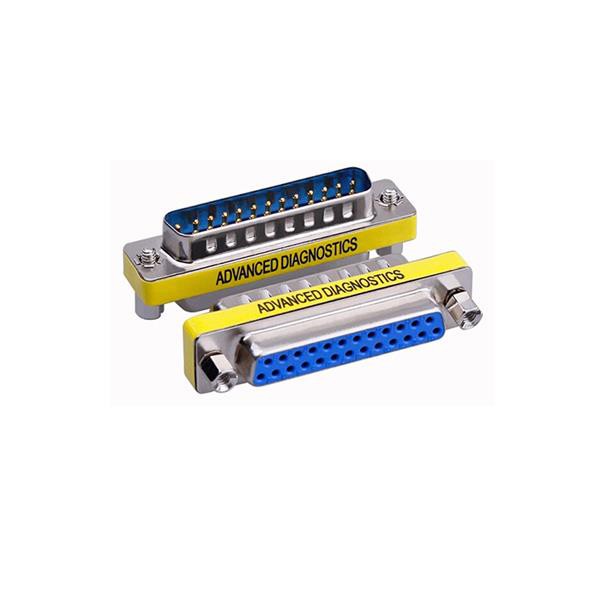
Some of our popular serial adapter products include the DB25 Female To RJ45 Modular Adapter, which provides a convenient way to connect devices with DB25 and RJ45 interfaces. We also offer the 25 pin D-sub Male To Female Gender Changer Coupler and the DB37 Male To Male Gender Changer, which are useful for changing the gender of the connectors and extending the length of the serial cables.
Conclusion
Voltage tolerance is a critical parameter that determines the performance and reliability of a serial adapter. By understanding the concept of voltage tolerance and ensuring that the input voltage is within the specified range, you can ensure the proper operation of the adapter, protect the data integrity, and extend the lifespan of the device.
If you have any questions about the voltage tolerance of our serial adapters or need assistance in selecting the right product for your application, please do not hesitate to contact us. Our team of experts is always ready to help you find the best solution for your serial communication needs. We look forward to discussing your requirements and partnering with you for your serial adapter procurement.
References
- "Serial Communication Basics," by an industry - standard electronics textbook on communication protocols.
- Product datasheets of various serial adapters for technical specifications on voltage tolerance.