



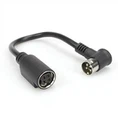
1.USB TYPE-A: Generally applicable to PC PCs and is the most widely used interface standard.
2.USB TYPE-B: Generally used for 3.5 inch mobile hard disk, as well as printer, display and other connections
3.USB-mini: Generally used in mobile devices such as digital cameras, digital video cameras, measuring instruments, and mobile hard disks.
4.USB-micro: Android phone interface. In the USB 2.0 era, the Micro USB port appeared. This is a portable version of the USB 2.0 standard. The next-generation specification of the Mini USB is smaller than the Mini USB interface used in some early mobile phones. This interface is our most common interface, the charging interface of our mobile phone is the Micro USB interface.
5.lighting line: Apple's data line interface.
6.Iphone4/4S 30pin: Apple's four-generation interface, but now it has been slowly replaced by the lightning interface, exiting the historical stage.
7.USB TYPE-C: A new standard interface popular in recent years. Common electronic devices that support Type C interface include: Nokia N1 tablet, LeTV mobile phone and Apple MacBook. More and more devices will be adopted in the future. This interface; the USB Type C interface name emerged after the USB 3.1 era, the highlight of this interface is the slimmer design, faster transfer speed (up to 10Gbps) and more powerful power transfer (up to 100W). The biggest feature of the Type-C double-sided pluggable interface is that it supports double-sided insertion of the USB interface, mainly for thinner and thinner devices (the interface of the mobile phone tablet may be unified in the future, instead of the Micro USB interface).


