



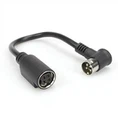
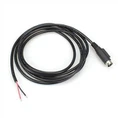
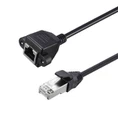
The most discussed interface on high-end audio and video equipment is the fiber interface and HDMI interface. Although they are common interfaces, what are the differences between them, I believe many users still do not understand. Before talking about the difference between them, you first need to understand HDMI cable and Toslink Audio Fiber Optical Cable separately.
1. What is HDMI cable?
HDMI is a must-have interface technology for many mainstream HD multimedia digital video/audio. It is a dedicated digital interface for image transmission. It can support the simultaneous transmission of audio and video signals. The maximum transmission rate of HDMI cable can reach 4.5Gbps. Digital/analog/digital conversion, so the transmission process does not cause signal loss.
HDMI and broadband digital content protection, to protect the copyright of audio and video content is not copied and stolen, HDMI can not only complete the audio and video signal transmission through a line, and only 0.5Gbps is enough for a 1080P video and 8-channel audio signal transmission. This leaves a large margin for HDMI signal transmission. Therefore, the same HDMI cable can be connected to a DVD player, a receiver, a PRR, and the like, respectively. At the same time, when wiring the HDMI cable, it can leave room for additional space in the future.
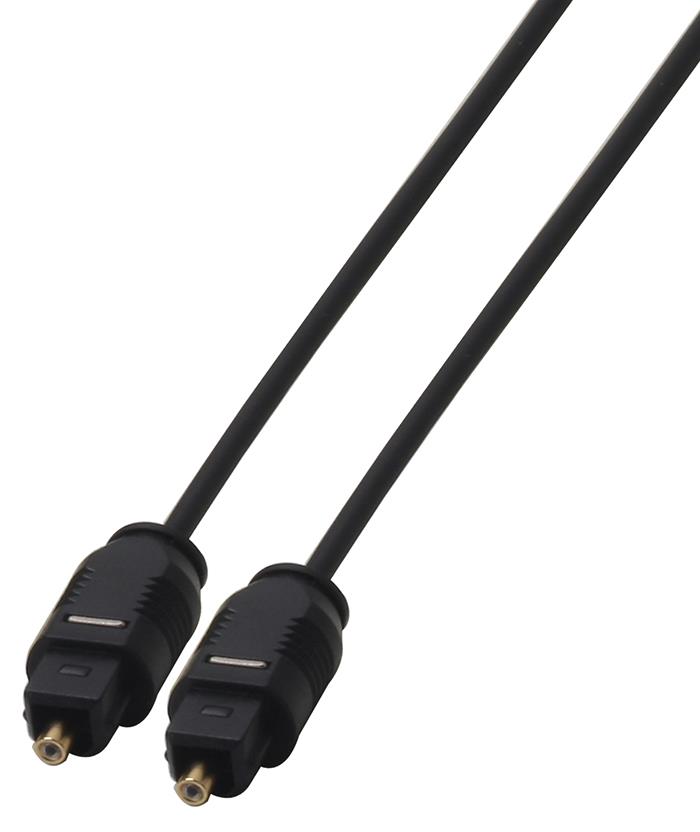
2. What is Toslink Audio Fiber Optical Cable?
Optical fiber is also called optical fiber. Its conductor material is quartz glass. It is a conductive medium and its transmission principle is total reflection of light.
Toslink Audio Fiber Optical Cable is suitable for transmitting digital audio signals. The quartz glass fiber conductor is different from the traditional copper conductor material. Toslink Audio Fiber Optical Cable can transmit high-quality sound and image, and the digital signal can be transmitted through the digital decoder for 5.1 channel sound distribution to achieve ring sound. Toslink Audio Fiber Optical Cable are used in audio equipment that requires extremely high signal fidelity. However, due to the reflection principle of light in channel transmission, a certain degree of inherent attenuation is caused.
As a new transmission technology, the optical fiber has better transmission performance than the traditional 3.5mm and red and white analog signals, improves the signal-to-noise ratio, and ensures high-quality audio signal transmission. Moreover, the optical fiber interface also supports 5.1-channel transmission. Only one HDMI cable can be connected to 5.1 audio equipment, output high quality sound quality, easy to use, and easy to route.
3. The difference and advantages and disadvantages between HDMI cable and Toslink Audio Fiber Optical Cable.
The biggest difference between HDMI cable and Toslink Audio Fiber Optical Cable is the difference in audio compatibility.
The HDM cable can transmit high-quality audio signals including Blu-ray audio, Dolby TrueHD and DTS HD Master Audio audio encoding; Toslink Audio Fiber Optical Cable do not support the output of high-quality audio signals including Dolby TrueHD or DTS HD Master Audio.
HDMI can also directly transmit video signals, which simplifies the structure of the line system and is more functional. If the multimedia device in the user's home is a version a few years ago, and simply wants to output the normal format sound signal to the TV, then disabling Toslink Audio Fiber Optical Cable can be satisfied.