



Nintendo Switch and Samsung's Dex technology are not unique technologies, but, like the Macbook and the Lumia 950, are standard DP Alt Mode modes. But why is the market-wide Docking and even Apple's original Docking unable to let Samsung show Dex technology? The reason is that Samsung will confirm the product through the non-standard unstructured vdm. Only the confirmed Docking can enter the Dex mode, otherwise it is just a video extension, not a PC.
Industry expert opinion
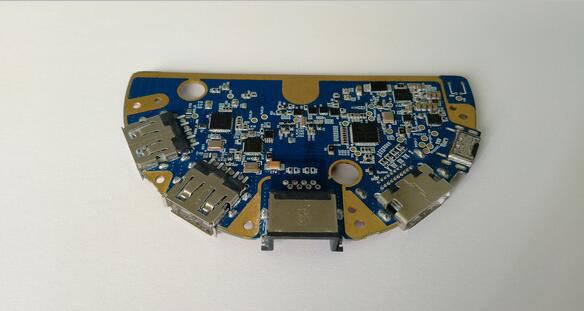
USB PD-based interface based on USB Type-C interface is one of the most important work results of USB-IF industry association in the last two years, including USB-IF member units Intel, Apple, Google, Microsoft and many other internationally renowned technology manufacturers. Working together, the goal is to solve the versatility and compatibility of current USB interface products, and to deliver more power and HD video. However, since the USB PD protocol has just been introduced, the understanding of various vendors is not thorough enough, so there are so many compatibility problems. Switch and Samsung S8's Docking theory should be fully compatible with Docking of Apple, Google, MicroSoft and other vendors to comply with the USB-IF protocol specification. On this issue, S8 is still worthy of praise. The PD protocol process used by Docking is basically the same as the association's specifications. It can be used with the products of Apple and other manufacturers. It is only set on Dex desktop extension technology. A compatible threshold. C-Force has solved this compatibility issue.
Nintendo's Switch has more problems. In PD communication, there are multiple violations of the USB PD protocol specification. In this regard, C-FORCE has made a lot of compatibility issues to fix, and it is perfectly compatible with the Switch. In the future, Nintendo should upgrade and repair this part of the non-compliant agreement. The C-FORCE device is compatible with this part of the upgrade. Of course, Nintendo is not excluded from deliberately avoiding being compatible. If this happens, then we have no way other than complaining to the USB-IF Association. Because the association itself is not binding.