


Introduction
In the realm of computer hardware interfaces, the choice of cable can significantly impact the performance and functionality of a device. When it comes to DVD - ROM drives, various interfaces have been used over the years, each with its own set of characteristics. This blog will explore the differences in using a 50 - Pin SCSI Cable with a DVD - ROM drive compared to other interfaces. As a 50 - Pin SCSI Cable supplier, I am well - versed in the technical details and practical implications of these cables in the context of DVD - ROM drives.
Understanding 50 - Pin SCSI Cables
SCSI, which stands for Small Computer System Interface, is a set of standards for physically connecting and transferring data between computers and peripheral devices. A 50 - Pin SCSI Cable is designed to support the transfer of data in a SCSI - based system. These cables are known for their reliability and high - speed data transfer capabilities. The 50 - pin configuration allows for multiple devices to be daisy - chained together, providing a flexible and efficient way to connect several peripherals, including DVD - ROM drives, to a single SCSI controller.
One of the notable features of 50 - Pin SCSI Cables is their ability to handle longer cable runs compared to some other interfaces. This is particularly useful in large computer systems or server environments where devices may be located at a distance from the controller. For example, in a data center where DVD - ROM drives are used for data archiving or software installation, a 50 - Pin SCSI Cable can ensure stable data transfer over a relatively long distance.
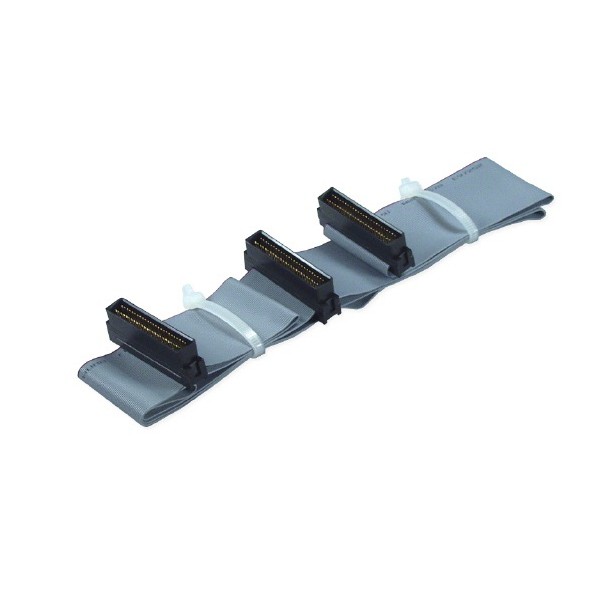
We offer a variety of 50 - Pin SCSI Cables, such as the SCSI HD 50 Dual Drives Ribbon Cable, which is designed to support two drives simultaneously. This type of cable is ideal for setups where multiple DVD - ROM drives need to be connected to a single SCSI controller, providing a cost - effective and space - saving solution.
Comparison with Other Interfaces
IDE (Integrated Drive Electronics)
IDE is one of the most common interfaces used to connect DVD - ROM drives in desktop computers. IDE interfaces typically use a 40 - pin or 80 - conductor ribbon cable. One of the main differences between IDE and 50 - Pin SCSI Cables is the data transfer speed. SCSI generally offers higher data transfer rates, which can result in faster read and write operations for DVD - ROM drives.
IDE cables are typically limited in terms of the length of the cable runs. Longer IDE cables can cause signal degradation, leading to data transfer errors. In contrast, 50 - Pin SCSI Cables can handle longer distances without significant signal loss. This makes SCSI a better choice for more complex computer setups where the DVD - ROM drive may be located far from the motherboard.
Another difference is the number of devices that can be connected. An IDE interface can usually support up to two devices per channel, while a SCSI bus can support multiple devices (up to 7 or 15 depending on the SCSI type) using a single 50 - Pin SCSI Cable. This makes SCSI more suitable for systems that require multiple DVD - ROM drives or other peripheral devices to be connected simultaneously.
USB (Universal Serial Bus)
USB is a widely used interface for connecting various devices, including DVD - ROM drives. USB offers the advantage of easy plug - and - play functionality, allowing users to connect and disconnect devices without powering down the computer. However, when compared to 50 - Pin SCSI Cables, USB has some limitations.
The data transfer speed of USB can be slower than that of SCSI, especially for older USB versions. While newer USB 3.0 and later versions offer relatively high speeds, SCSI still has an edge in terms of raw data transfer performance, especially for large - scale data reading or writing operations from DVD - ROMs.
USB is also more susceptible to interference and noise, which can affect the stability of data transfer. In a high - electromagnetic - interference environment, a 50 - Pin SCSI Cable may provide a more reliable connection for a DVD - ROM drive. Moreover, USB connections are typically limited to a single device per port, while SCSI can support multiple devices on a single cable.
Technical Details of 50 - Pin SCSI Cables for DVD - ROM Drives
The 50 - pin configuration of SCSI cables provides a specific set of signals for data transfer, control, and power. The data lines are used to transfer the actual data between the DVD - ROM drive and the SCSI controller. The control lines are responsible for managing the communication protocol, such as initiating read or write commands.
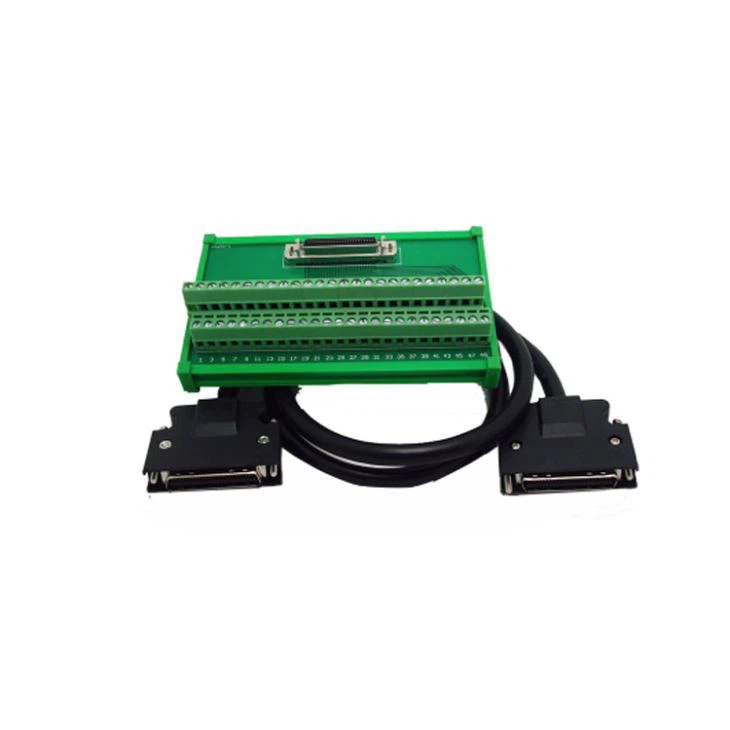
When using a 50 - Pin SCSI Cable with a DVD - ROM drive, it is important to ensure proper termination. Termination is necessary to prevent signal reflections, which can cause data transfer errors. Most SCSI devices, including DVD - ROM drives, require termination at the end of the SCSI chain. Our HPCN 50 Pin Female To MDR50 Pin Female Cable is designed with proper termination in mind, ensuring a stable and reliable connection for your DVD - ROM drive.
In addition, SCSI devices use a unique addressing scheme. Each device on the SCSI bus is assigned a specific ID, which allows the controller to communicate with individual devices. This addressing scheme enables multiple DVD - ROM drives to coexist on the same SCSI bus without interference.
Applications and Use Cases
50 - Pin SCSI Cables are particularly useful in professional and enterprise environments. In media production facilities, where large - scale video and audio data need to be transferred from DVD - ROMs for editing and archiving, the high - speed data transfer capabilities of SCSI are essential. The ability to daisy - chain multiple DVD - ROM drives also allows for efficient data handling.
In server environments, 50 - Pin SCSI Cables can be used to connect DVD - ROM drives for software installation, backup, and recovery purposes. The reliability and long - distance data transfer capabilities of SCSI make it a preferred choice for critical server operations.
We also offer SCSI CN 50 Pin Servo Motor Drive Cable, which is designed for more specialized applications where accurate control of servo motors in DVD - ROM drives is required. This type of cable ensures precise movement and positioning of the drive's components, resulting in better read and write performance.
Conclusion
In conclusion, using a 50 - Pin SCSI Cable with a DVD - ROM drive offers several advantages over other interfaces, including higher data transfer speeds, longer cable runs, and the ability to support multiple devices. While other interfaces like IDE and USB have their own merits, such as ease of use and widespread compatibility, SCSI remains a powerful choice for professional and enterprise applications.
If you are in the market for high - quality 50 - Pin SCSI Cables for your DVD - ROM drives or other SCSI - compatible devices, we are here to assist you. We have a wide range of 50 - Pin SCSI Cables to meet your specific needs. Contact us to discuss your requirements and explore the best cable solutions for your computer systems. Whether you need a simple cable for a single DVD - ROM drive or a more complex setup for multiple drives, we can provide the expertise and products you need.
References
- "SCSI: The Complete Reference" by Cooley, Mark
- "Computer Hardware Handbook" by Brooks, Peter
- Technical documentation from major SCSI cable and device manufacturers